
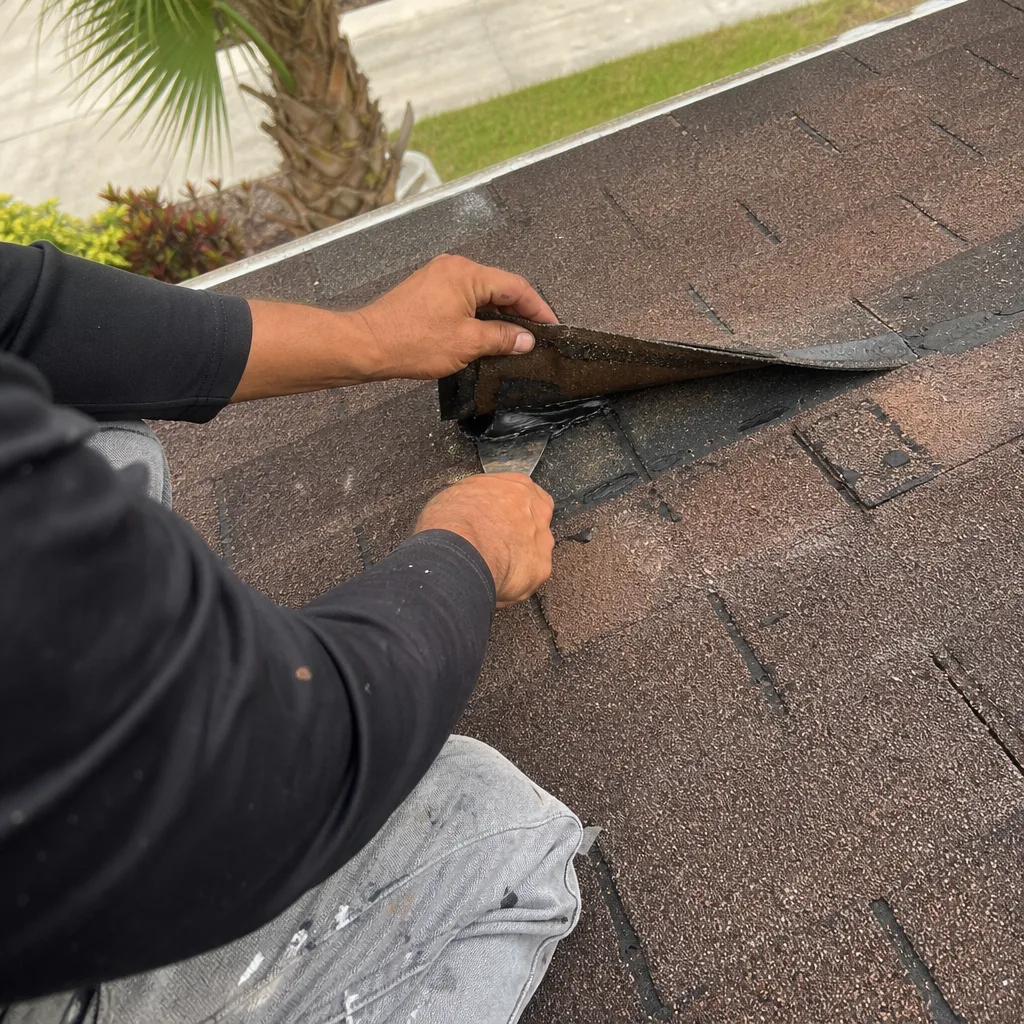
Last updated October 17, 2026
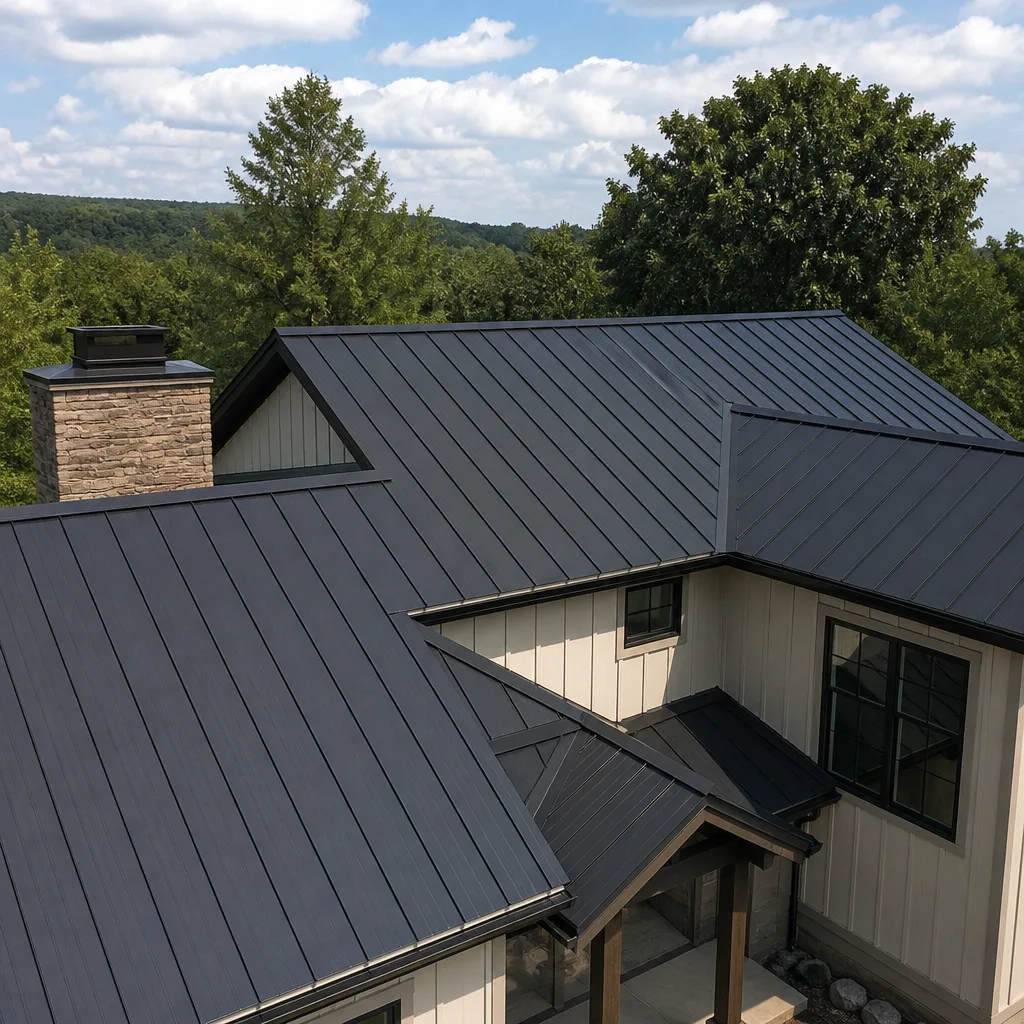 Metal roofing
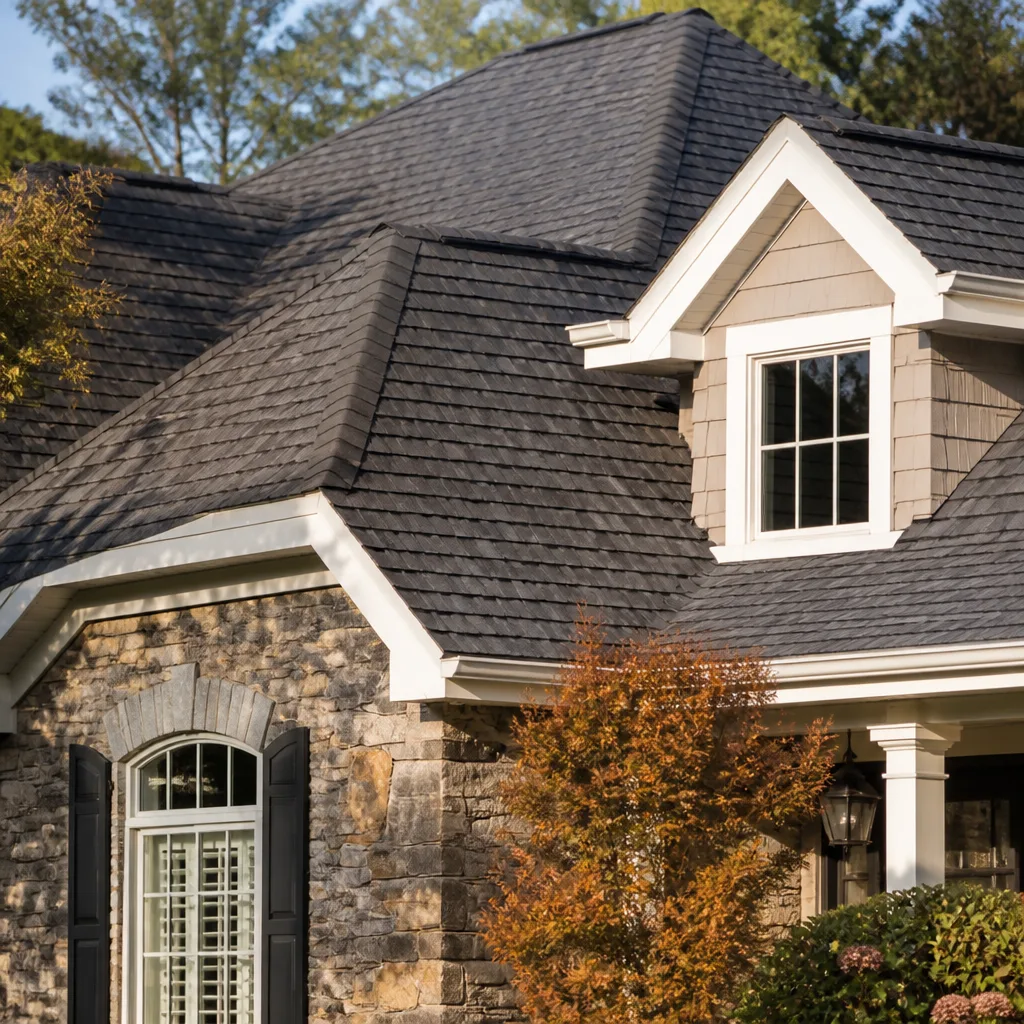 Architectural shingles
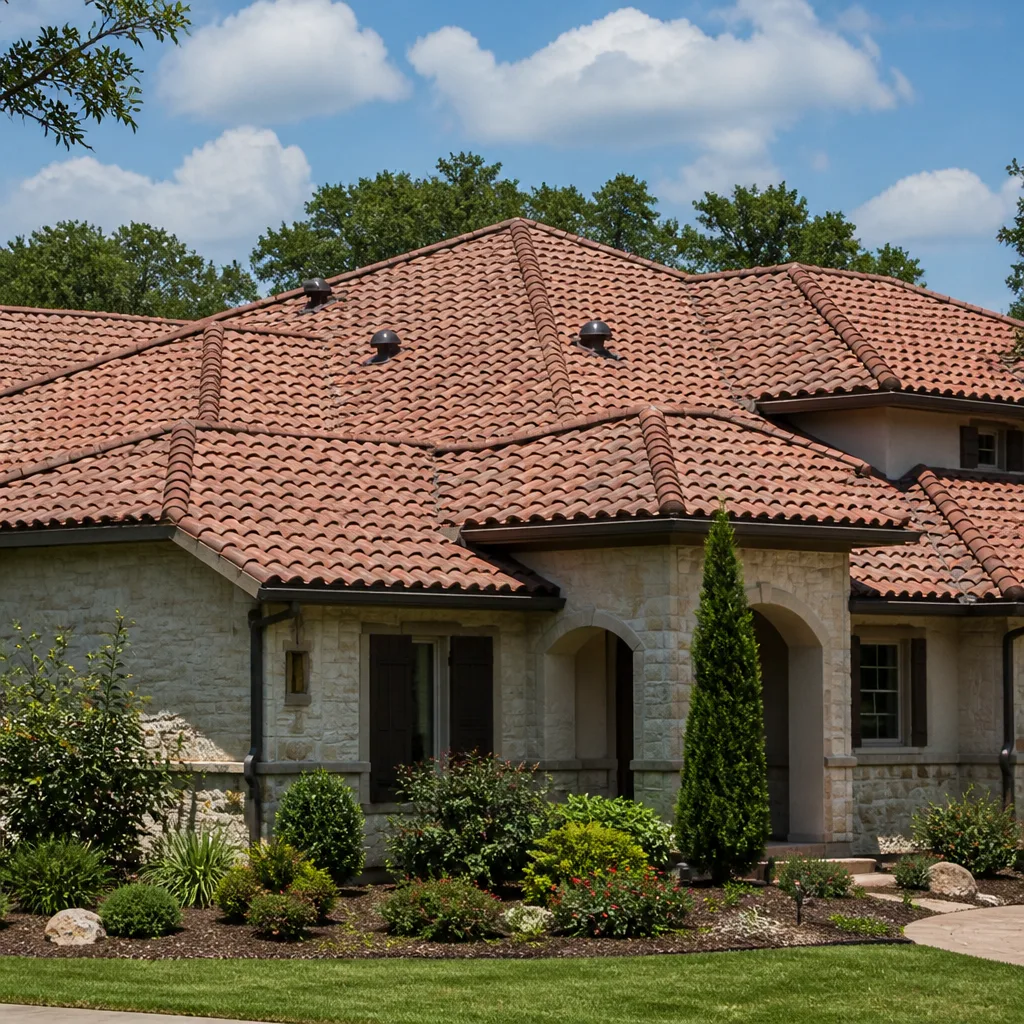 Tile roofing
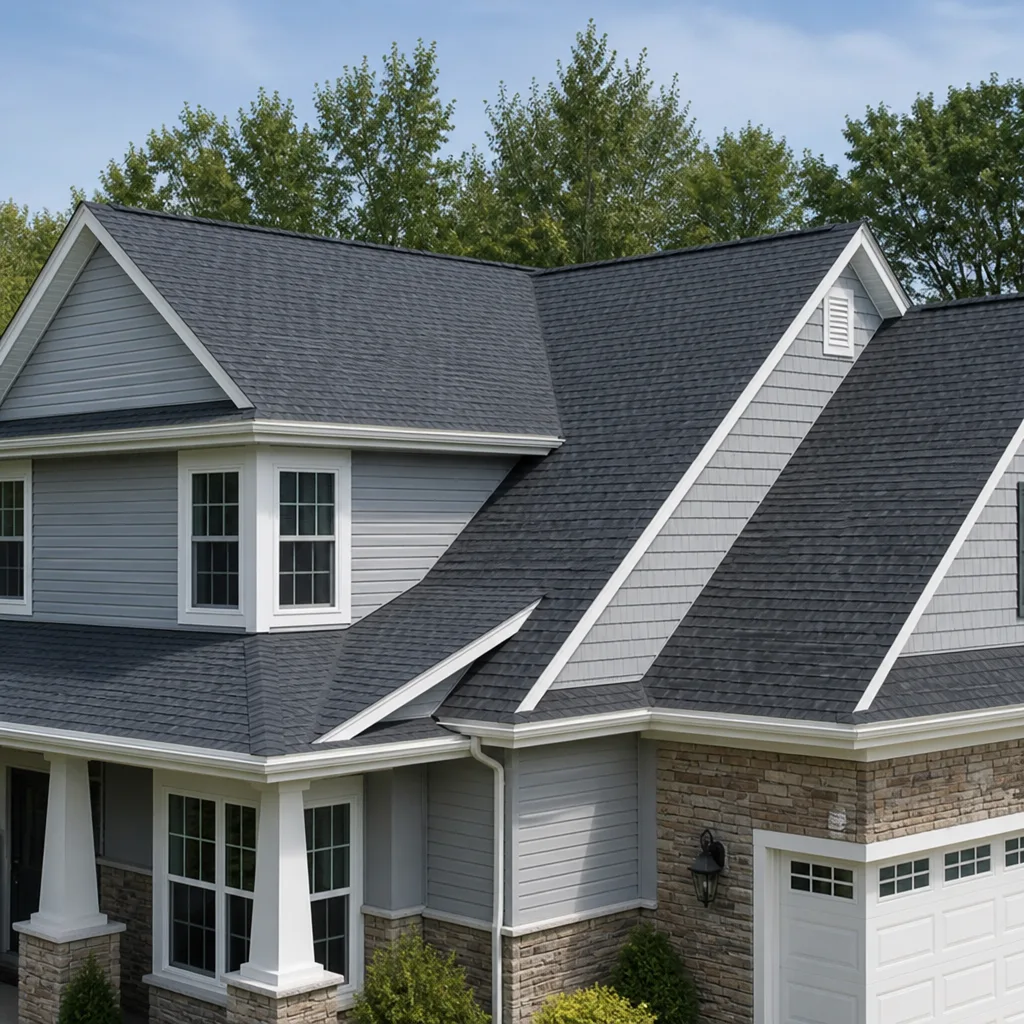 GAF
GAF Owens Corning
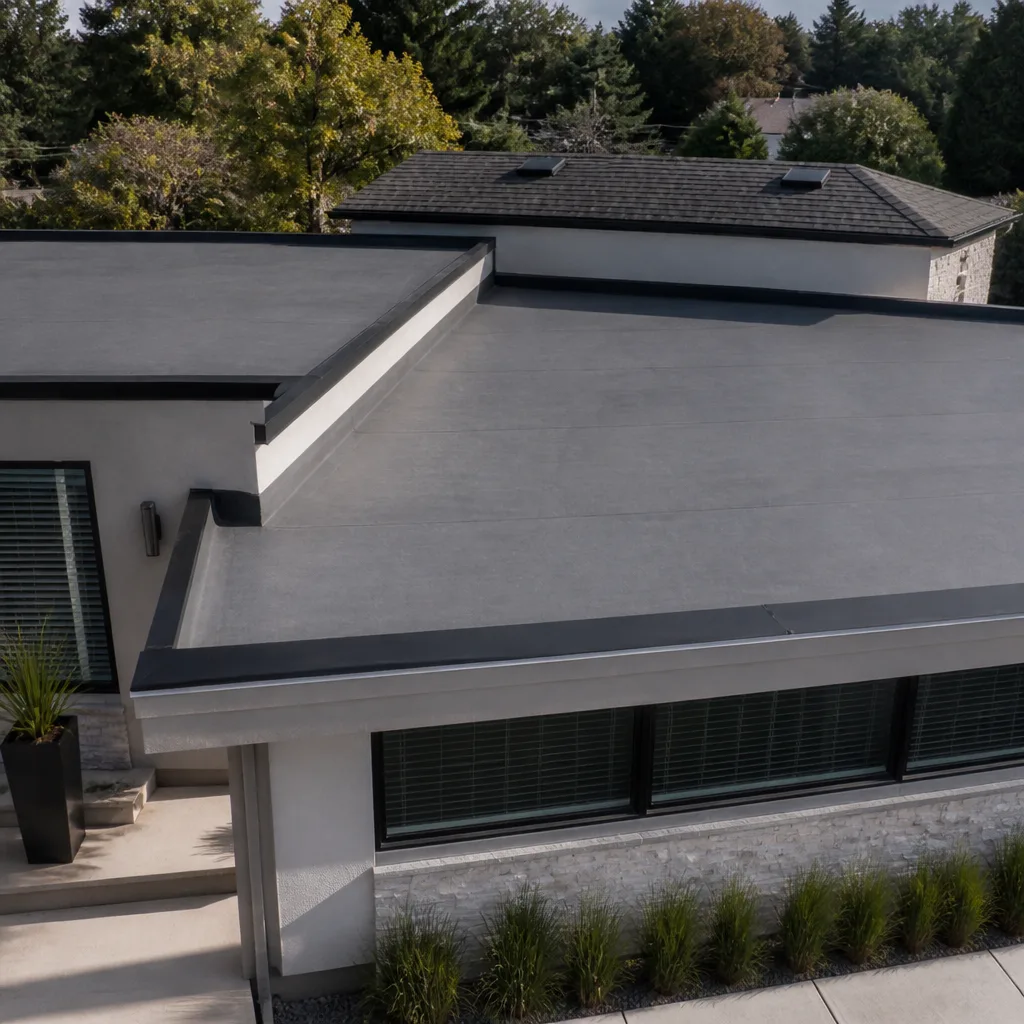 Flat & low-slope
Free roof inspection with deck photos before we talk money - GAF and Owens Corning certified installation
Seasonal Roofing Care for Miami: Year-Round Homeowner’s Guide
Miami doesn’t have four seasons. It has two roofing seasons: hurricane season and the eight months you should be using to prepare for the next one. Most homeowners waste the dry months, then call a roofer in a panic after the first June squall rips a few shingles loose. This guide and our Complete Guide to Roofing in Miami replace the generic spring-summer-fall-winter advice with a Miami-specific calendar that maps exactly how our climate attacks a roof. You’ll learn what to inspect in November, why February is the cheapest month for a full replacement, and what emergency tarping actually protects when a named storm is 72 hours out.
Quick Answer
Miami’s roofing calendar runs on two seasons: hurricane season (June through November) and the dry preparation window (November through May). The single most important roof maintenance move in Miami is a professional inspection between February and April, when labor rates dip, permits clear fastest, and you catch winter wind damage before June storms turn it into a leak. Sealant and flashing around pipe boots, vents, and chimneys should be checked and reapplied every 18 months due to Miami’s extreme UV and humidity combination.
Styles & brands we work with
Table of Contents
- November – January: The Post-Hurricane Inspection Window
- February – April: The Optimal Repair and Replacement Window
- May – June: The Pre-Season Preparation Protocol
- July – October: Storm Response and Roof Protection
- UV and Humidity: Miami’s Year-Round Roof Attackers
- The 18-Month Sealant Reapplication Schedule
- Common Mistakes to Avoid
- When to Call a Professional
- Frequently Asked Questions
November – January: The Post-Hurricane Inspection Window
November 30 marks the official end of hurricane season. It also marks the start of the most overlooked roofing window in Miami. By early December, the daily thunderstorms have usually tapered off, and the sky clears enough to actually see what the last five months of wind and rain did to your roof. Here’s what matters: wind damage doesn’t always leak immediately. A lifted shingle can sit for weeks or months before a heavy rain finds the gap. A shifted flashing around a pipe boot can hold fine through light drizzle, then fail catastrophically during the first intense downpour of the following June.
In our experience across Miami neighborhoods from Coconut Grove to Kendall, the most common post-season findings are subtle. Shingles with creased corners from wind flex, nails that have backed out slightly, and flashing that has shifted a quarter inch without any visible exterior damage. None of these show up as a leak right away. They’re the roof equivalent of a cracked tooth: undetectable until you bite down hard.
What to Inspect After November 30
- Shingle creasing near the eaves and ridge line. Wind flexes shingles repeatedly during storms. Over time, the corners bend upward, creating a channel for wind-driven rain. This is the most common hidden damage we find on Miami roofs in December.
- Flashing shifts around pipes, skylights, and chimneys. Flashing is the metal that seals the transition between your roof and anything that pokes through it. Hurricane-force winds can shift it without leaving any visible dent or scratch. The shift is often a fraction of an inch, but that’s enough to break the seal and let water in.
- Nail pops. Repeated heating and cooling cycles, especially after the intense summer sun, cause nails to work loose. You’ll see small round bumps under the shingle surface. Each one is a potential entry point for water.
- Debris accumulation in valleys and behind chimneys. Palm fronds, leaves, and blown debris trap moisture against your shingles and accelerate granule loss. We’ve pulled enough debris out of Miami valleys to fill a pickup truck bed.
- Gutter and downspout connections. Wind can pull gutters slightly away from the fascia, creating gaps where water runs behind and down the wall instead of away from the foundation.
The dry season is the cheapest time to address these issues. Roofers have capacity, materials are in stock, and you’re not competing with a hundred emergency calls for the same crew. A Roof Repair in Miami completed in December or January costs less than the same repair in August, and the work is often scheduled within days instead of weeks.
February – April: The Optimal Repair and Replacement Window
If you’re planning a full roof replacement in Miami, February through April is the window that saves you the most money and hassle. Here’s the counterintuitive truth: most homeowners wait until the first leak or the first storm scare of June, which is exactly when every roofer in Dade County is booked solid. That’s like showing up to the airport on Thanksgiving and wondering why the line is long.
Three specific things make this window the sweet spot for Miami roofing work:
- Labor costs dip. Roofing crews in South Florida are busiest from June through October. In February, the same crew that was working 60-hour weeks in September is looking for steady work. That supply-and-demand shift translates directly to lower labor quotes. You can expect to save 10 – 15% on labor compared to peak-season pricing for the identical job.
- Material lead times shorten. GAF, CertainTeed, and Tamko all ship more material to Florida in the spring than any other time of year. If you want a specific shingle color or style, February is when distributors actually have it in stock. Wait until July, and you might wait three weeks for your preferred shingle to arrive.
- Permit queues clear faster. The Miami-Dade Building Department processes roofing permits year-round, but the volume of applications spikes hard in the weeks before hurricane season. A permit that takes five business days in March can take three weeks in mid-June. If you’re planning a replacement, starting in February means your permit is approved before the rush even begins.
We tell our customers this: if your roof is past year 15 of a typical 20 – 25 year asphalt shingle lifespan, and you’re thinking about replacing it, do it before April 30. You’ll pay less, get it done faster, and walk into hurricane season with a roof that isn’t a question mark.
May – June: The Pre-Season Preparation Protocol
June 1 is the official start of hurricane season. The weeks before it are when smart Miami homeowners do a final pre-season check. The question most people ask is: do I need a professional inspection, or can I check it myself from the ground? See our DIY vs Professional Roofing: The Miami Homeowner’s Decision Guide for help deciding. The answer depends on a few specific conditions.
When a Ground Check Is Enough
- Your roof is under 10 years old and was professionally installed.
- You’ve had no leaks, and no storms with winds above 60 mph have passed over your home in the last year.
- You can see the entire roof surface clearly from the ground or a second-story window.
- You’re comfortable identifying obvious problems: missing shingles, sagging areas, visible flashing separation.
When You Need a Professional Inspection Before June 1
- Your roof is over 15 years old.
- You had any leak during the previous hurricane season, even a small one.
- You live in a coastal or high-wind exposure zone, like Key Biscayne, Cutler Bay, or anywhere east of US-1 with unobstructed ocean exposure.
- You have trees within falling distance of your roofline (mango, ficus, and Australian pine are the usual suspects in Miami).
- You saw any granule accumulation in your gutters during the last rain, which is a sign the shingles are shedding their protective surface.
A professional pre-season inspection costs between $175 and $350 in the Miami market, depending on roof size and access difficulty. That’s a fraction of what a June leak will cost you in emergency repair rates, which typically run 20 – 30% higher than off-season pricing. Mercer Roofing Co Miami includes a written price before any work starts, so you’ll know exactly what a pre-season inspection costs before you commit to it. No surprises on the invoice.
July – October: Storm Response and Roof Protection
When a named storm is 72 hours out, the clock changes. Here’s what to do, and just as importantly, what not to do.
The 72-Hour Protocol
- Document everything. Take photos of your roof from every angle you can reach safely: ground level, upstairs windows, even drone footage if you have a drone. These photos are your proof of pre-storm condition. If your insurance company asks what your roof looked like before the storm, these images are your answer. Date-stamp them.
- Clear the gutters and downspouts. A clogged gutter in a hurricane turns into a water delivery system aimed directly at your soffit and fascia. Water backs up, runs under the shingle edge, and enters by the gallon. Thirty minutes with a hose and a gutter scoop can save your ceiling.
- Secure loose objects. Anything on your roof that is loose – a satellite dish bracket, an old antenna, a loose piece of flashing – becomes a projectile in 100 mph winds. If it moves when you touch it, it moves ten times as hard in a storm.
- Know your tarp plan. If a section of roof is already compromised, emergency tarping before the storm can prevent catastrophic water intrusion. This is not a DIY job at the last minute. High winds make roof work dangerous. Call a professional who can secure the tarp properly. A poorly secured tarp becomes a sail and can rip off more shingles than it protects.
What Emergency Tarping Actually Protects (and What It Doesn’t)
Emergency tarping covers an exposed roof deck and keeps rain from pouring directly into your home. That’s it. It does not restore the structural integrity of your roof. It does not prevent wind uplift on surrounding shingles. It does not stop water that’s already inside the wall cavity from migrating further. Think of a tarp as a tourniquet: it stops the immediate bleeding so you can get to the hospital. It is not the surgery.
After the storm passes, the single most important step is documentation. Walk the perimeter. Photo everything: missing shingles, shifted tiles, debris on the roof, water stains inside. Your insurance claim depends on this evidence. Then call a roofing professional. In the days after a major storm, Roofing Company in Miami teams are swamped, and prioritization goes to the most severe damage. The earlier you get on a call list, the sooner you get assessed. Mercer Roofing Co Miami answers the phone with a live person 24/7, even in the hours after a storm.
UV and Humidity: Miami’s Year-Round Roof Attackers
Hurricanes get the headlines, but Miami’s daily climate does more cumulative roof damage than any single storm. Two factors work together in a way you don’t see in most other U.S. cities.
UV index. Miami sits at a latitude where the sun is nearly overhead year-round. UV radiation is the number one killer of roofing materials. It breaks down the asphalt compounds in shingles, causes sealants to dry out and crack, and degrades the plastic components in pipe boots and vent collars. The degradation is not linear: a Miami roof at year 12 can look equivalent to a Chicago roof at year 20.
Humidity. Miami’s average relative humidity hovers between 70% and 85% most of the year. That moisture combines with the UV to accelerate material breakdown. Sealants that would last five years in a dry climate fail in 18 – 24 months in Miami. Flashing fasteners rust faster. The underlayment, which is the waterproof barrier beneath your shingles, breaks down more quickly because it’s constantly cycling between hot and damp.
The combination of UV and humidity is why Miami roofs so often need sealant work long before they need a full replacement. It’s also why we recommend an inspection cadence that differs from national averages. Most roofing guides say “inspect once a year.” In Miami, the realistic schedule is twice a year: once after hurricane season closes in November, and once before it opens in May.
The 18-Month Sealant Reapplication Schedule
Here is a specific number most roofing guides won’t give you: sealant around pipe boots, vent collars, and flashing edges in Miami should be inspected and typically reapplied every 18 months. This is faster than the national recommendation of every 3 – 5 years because the UV and humidity combination we described above breaks down sealant at roughly double the national average rate.
What Gets Reapplied
- Pipe boot collars. The rubber collar around plumbing vent pipes cracks and splits under constant UV exposure. Once it splits, rainwater follows the pipe down into your attic or walls.
- Vent pipe flashing. The metal base that sits around vents can separate from the sealant that bonds it to the shingles. Reapplication re-establishes the waterproof bond.
- Chimney flashing. The junction between your chimney and roof is one of the most common leak points in any climate. In Miami, the sealant there takes a beating from both sun and wind-driven rain.
- Skylight edges. Skylights have their own flashing system, but the edges where flashing meets shingles need periodic resealing.
- Valley sealant. If your roof has valleys where two roof planes meet, the sealant along them can dry and crack, creating a channel for water.
- Waiting for a leak before inspecting. By the time water shows up on your ceiling, the roof has usually been compromised for weeks or months. The total repair cost is always higher after interior damage spreads. In Miami’s saturated air, mold starts growing within 48 hours of a leak, adding remediation costs to the bill.
- Skipping post-hurricane-season inspections because “everything looked fine from the ground.” The damage that matters most – shifted flashing, creased shingles, backed-out nails – is invisible from the ground. We regularly find $400 problems from the roof surface that would become $4,000 problems by the following June.
- Letting a handyman or “a guy with a ladder” do roofing work without insurance or verification. Roofing is dangerous, and a fall from even a single-story roof can cause serious injury. If a worker falls on your property and isn’t insured, you are personally liable. Always verify that anyone touching your roof is licensed, insured, and background-checked. This is exactly why Mercer Roofing Co Miami sends every technician’s name and photo ahead of the visit and requires a photo ID badge at the door, under the Threshold Verified standard.
- Deferring sealant reapplication because “it was just done a few years ago.” In Miami, a few years is too long. The 18-month schedule exists because that’s how fast the climate breaks sealant down.
- Emergency tarping without documentation. Before anyone puts a tarp on your roof, take photos. After the tarp is on, take more. Insurance companies move faster when you can show before, during, and after conditions.
- Using the cheapest bid after a storm without checking whether the company is local and verifiable. In disiney, after major hurricanes, out-of-state “storm chaser” roofers flood the market, take deposits, and disappear. Always use a company with a verifiable local presence and written guarantees. Mercer Roofing Co Miami is part of the Threshold Group family, founded in 2000, and every location is independently owned and operated under a contractual quality standard.
Why 18 months specifically? Because that’s the outer edge of what typical roofing sealant can withstand in South Florida’s climate before micro-cracks form. Once micro-cracks appear, the failure is inevitable. It might take another six months for a leak to develop, but the sealant has already failed. Reapplication every 18 months costs between $300 and $600 in Miami, depending on how many penetrations you have. Compare that to the $2,500 – $6,000 for repairing water damage to a ceiling and wall cavity, and the math is straightforward. This is one of the most cost-effective preventive measures a Miami homeowner can take, and one of the least commonly done.
We use manufacturer-recognized shingle brands including GAF, CertainTeed, and Tamko in our installations and repairs because they have the longest track records in South Florida’s climate. The same principle applies to sealants: using the right product for Miami matters more than most homeowners realize. A sealant rated for northern climates will fail faster here.
Common Mistakes to Avoid
When to Call a Professional
Some roofing situations are safe to handle with a ladder and a tube of caulk. Others are not. Call a professional when any of these apply: you see daylight through the attic, you have a drip in multiple rooms, your roof is over 15 years old and you haven’t had an inspection in over a year, you see a sagging area of roofline, you’ve found granules in your gutters after every rain, or you’re simply not comfortable getting on a roof. Roofing work carries genuine risks, and we’d rather you stay on the ground. Mercer Roofing Co Miami offers free estimates in Miami – call (850) 753-2996 and a live person will answer, 24/7. We’ll send a background-checked, uniformed technician with a photo ID badge, and you’ll know their name and face before they knock.
Frequently Asked Questions
A professional roof inspection in Miami typically costs between $175 and $350, depending on roof size, height, and access. Some companies apply the inspection fee toward repair work if you proceed with the repairs, which is worth asking about when you schedule.
Twice a year: once in November or December after hurricane season closes, and once in May before the next season opens. Twice-annual inspections catch the two most damaging categories of Miami roof problems: post-storm wind damage and pre-season sealant failure. Call (850) 753-2996 to schedule your next inspection, and we’ll give you a written price before any work begins.
February through April is the cheapest window for a full roof replacement in Miami. Labor rates dip after the holiday season and before hurricane-season demand spikes, material lead times are shortest, and permit queues clear fastest. You can save 10 – 15% on labor compared to July pricing for the identical job.
Emergency tarping typically costs between $400 and $900 in Miami, depending on roof size and how quickly you need it done. If you file an insurance claim, the tarping cost is usually reimbursable as part of your storm damage claim. Document everything with photos before and after tarping.
Look for three signs from the ground: water stains on the ceiling near your chimney, pipes, or vents; lifted or buckled shingles around any roof penetration; and rust marks or discolored streaks running down from pipe collars. Any of these signals warrants a professional inspection. If you’re in Miami and want a written assessment, call Mercer Roofing Co Miami at (850) 753-2996 – the estimate is free.
Metal roofing handles Miami’s UV and wind exposure better than asphalt shingles, typically lasting 40 – 50 years versus 20 – 25 for shingles. The trade-off is cost: metal roofing runs $12 – $20 per square foot installed in Miami, compared to $4.50 – $7.50 for architectural asphalt shingles from brands like Owens Corning or Boral. Both are viable in Miami; the right choice depends on your budget and how long you plan to stay in the home.
The Bottom Line
Miami’s roofing calendar runs on two seasons: hurricane season and the preparation window. Nearly every expensive roofing problem we see in Miami is a small, cheap problem that went unaddressed for too long. The fix is simple: inspect in November after hurricane season closes, repair or replace during the February – April window when costs are lowest, reapply sealant every 18 months, and document your roof’s condition before and after every major storm. Do those four things, and your Miami roof will outlast most of your neighbors’. For more guides & resources, or if you want someone who does all of that with a written price before any work starts, a 365-Day Done Right Promise on every job, and a technician who shows up with a photo ID badge and a name you already know, call Mercer Roofing Co Miami at (850) 753-2996. The estimate is free. The certainty is what we do.
Written by Grant Whitlock, Owner at Mercer Roofing Co Miami, serving Miami since 2000.
See the difference
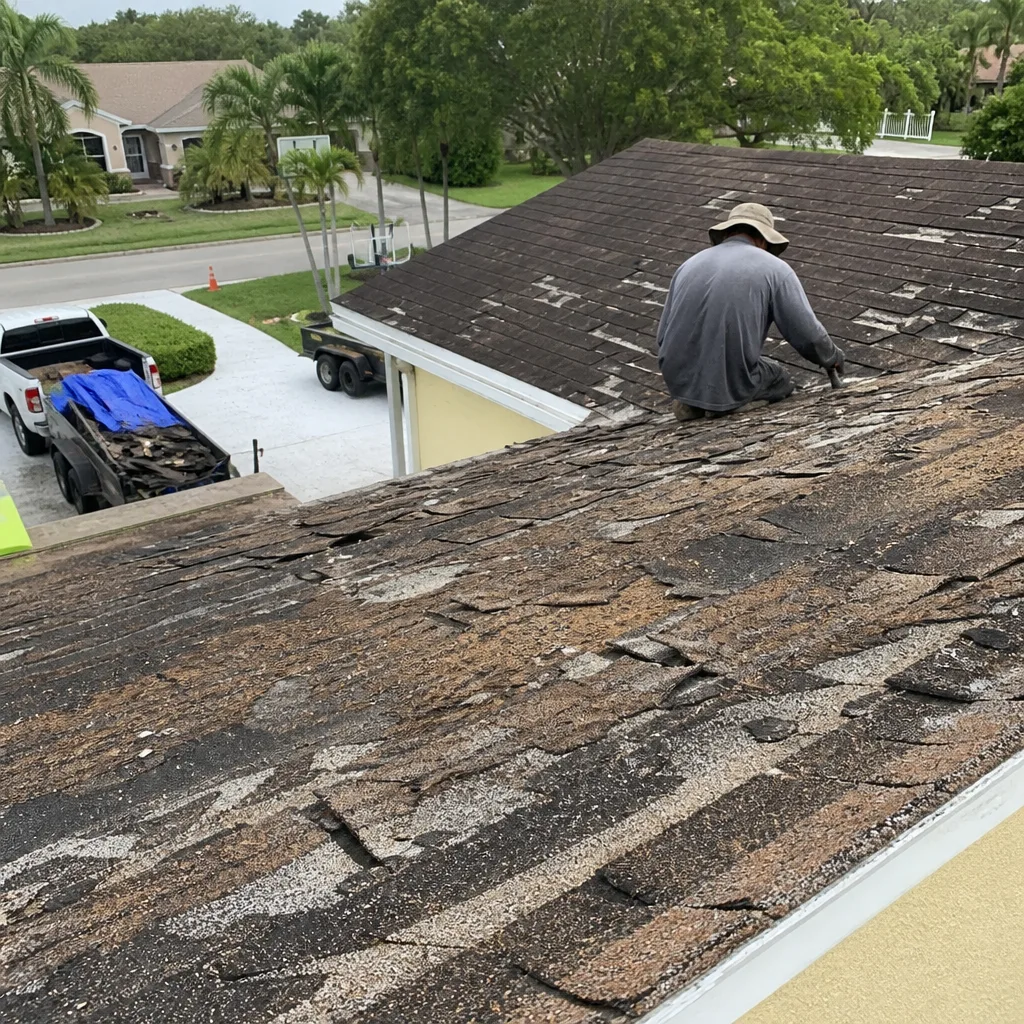 Before
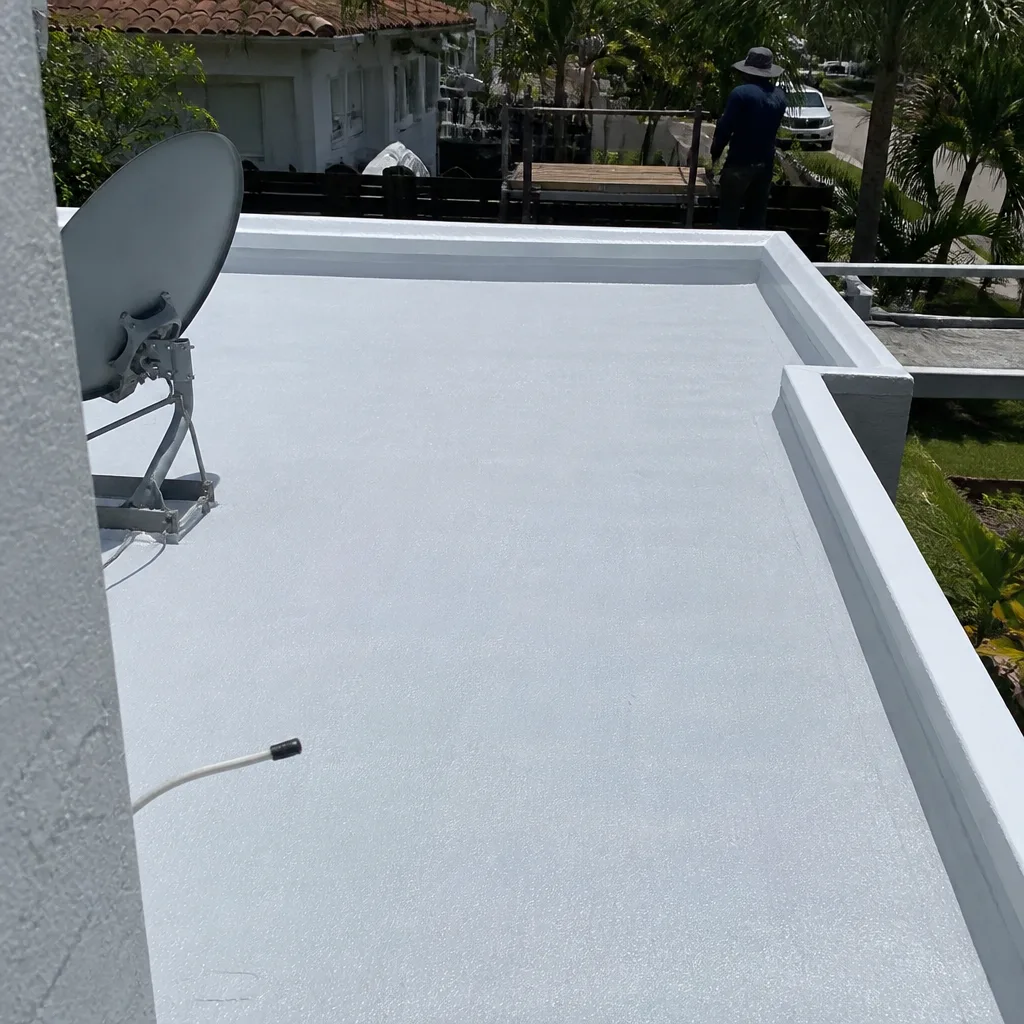 After
After Before
 After
After Before
 After
After