
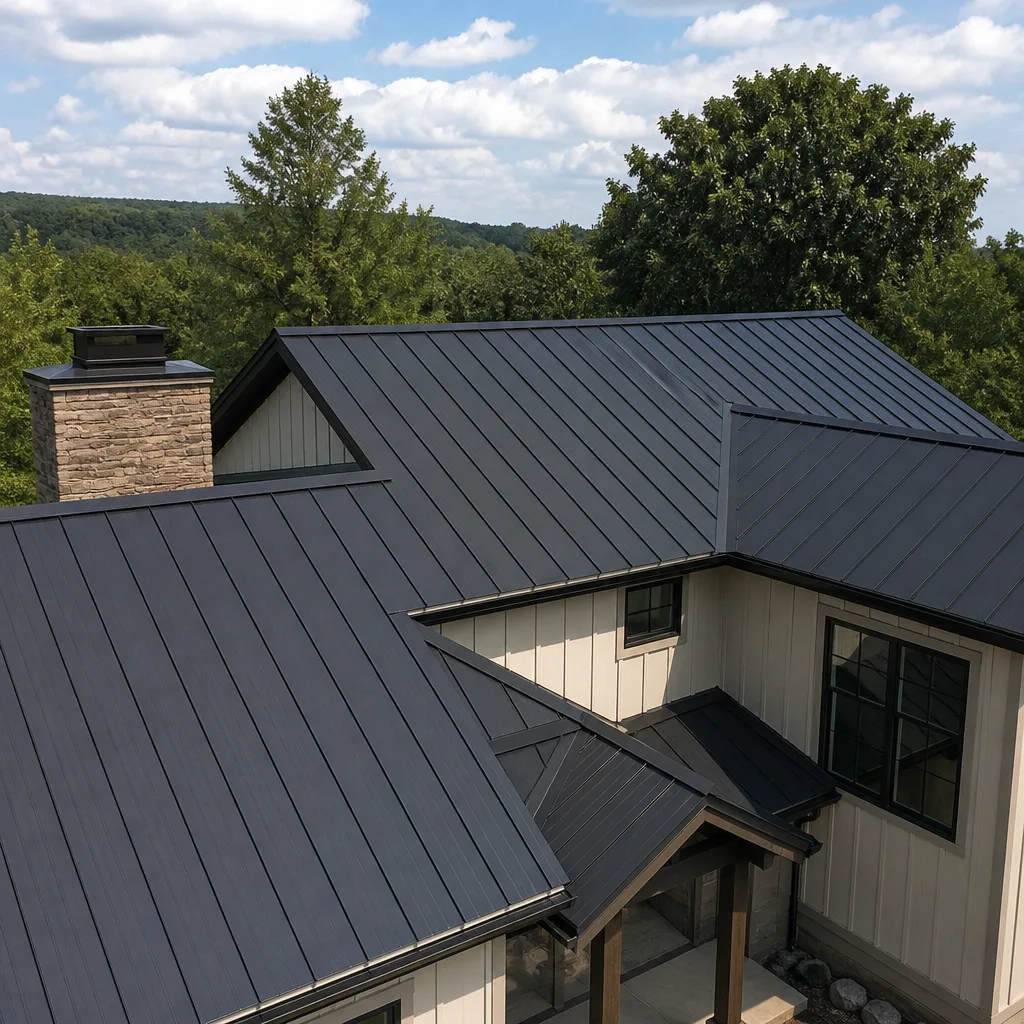
 Metal roofing
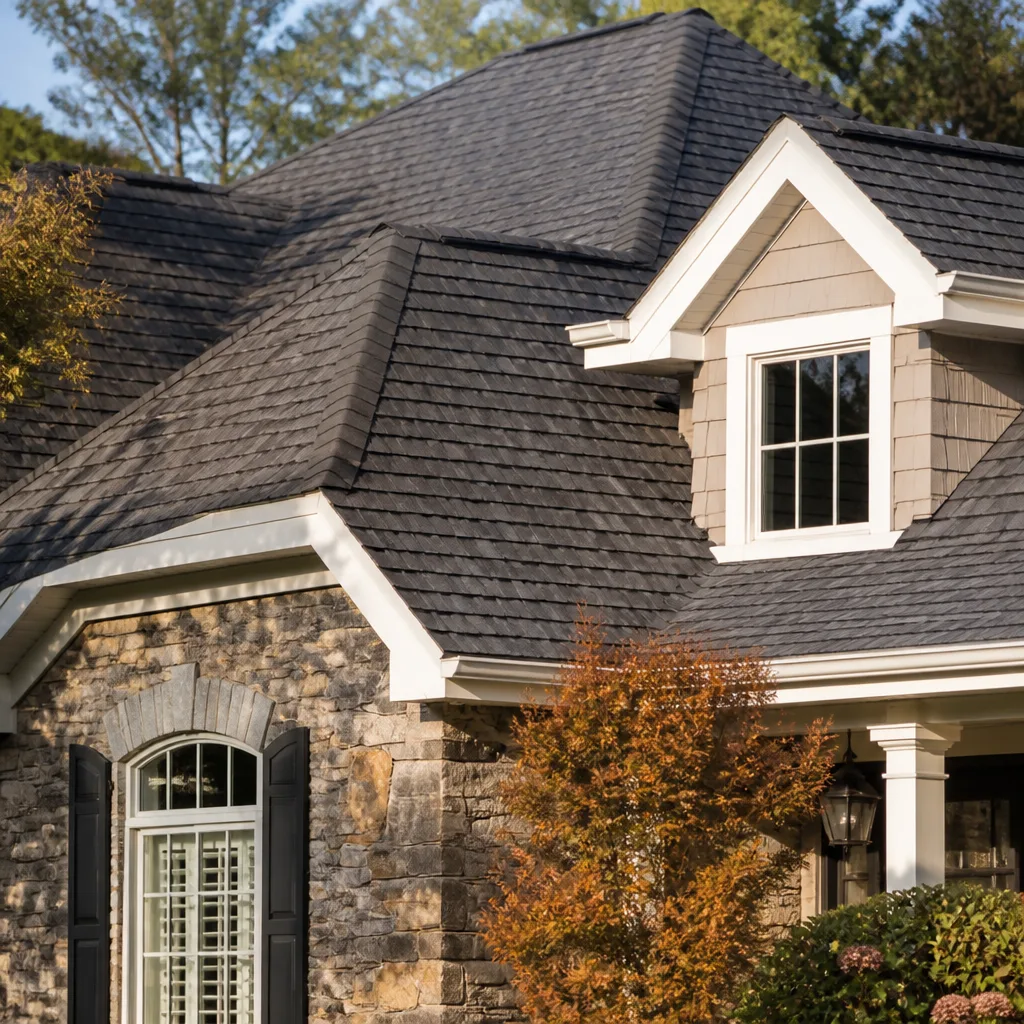 Architectural shingles
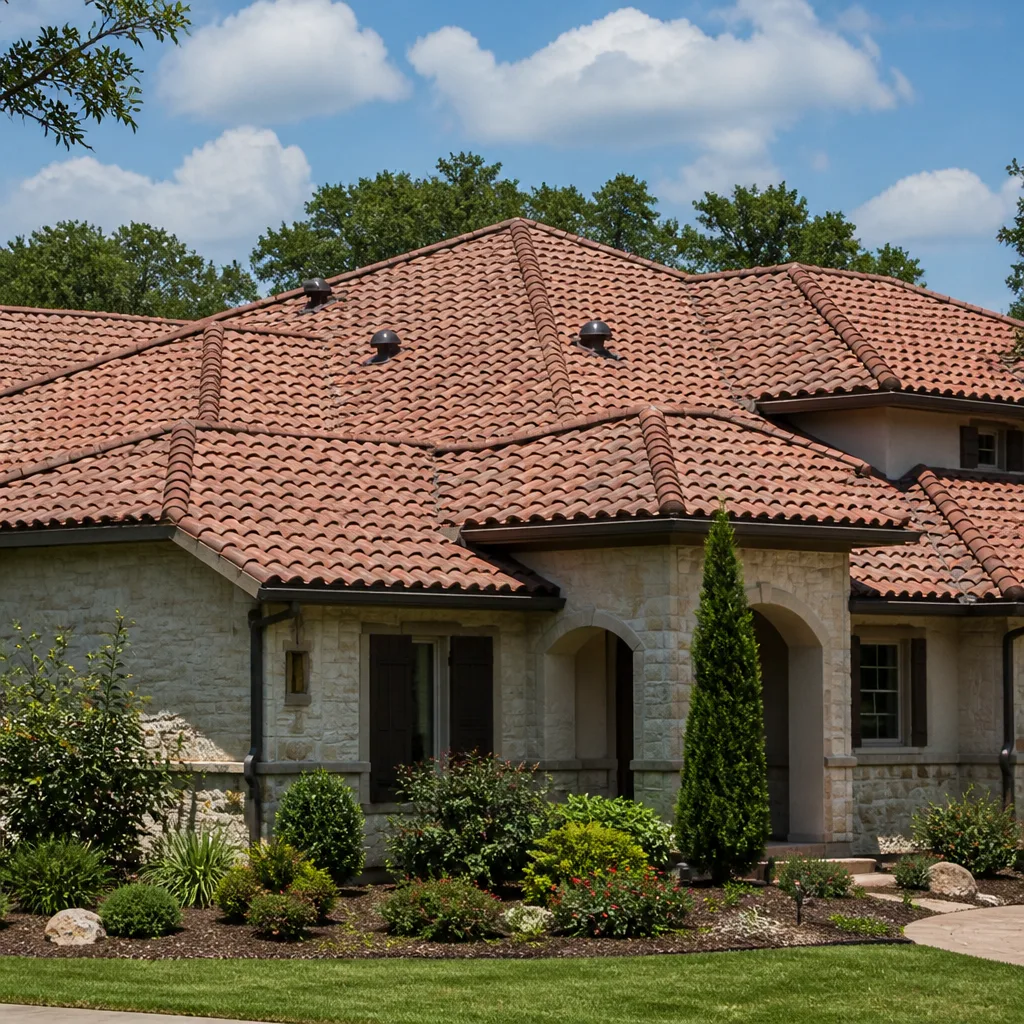 Tile roofing
 GAF
GAF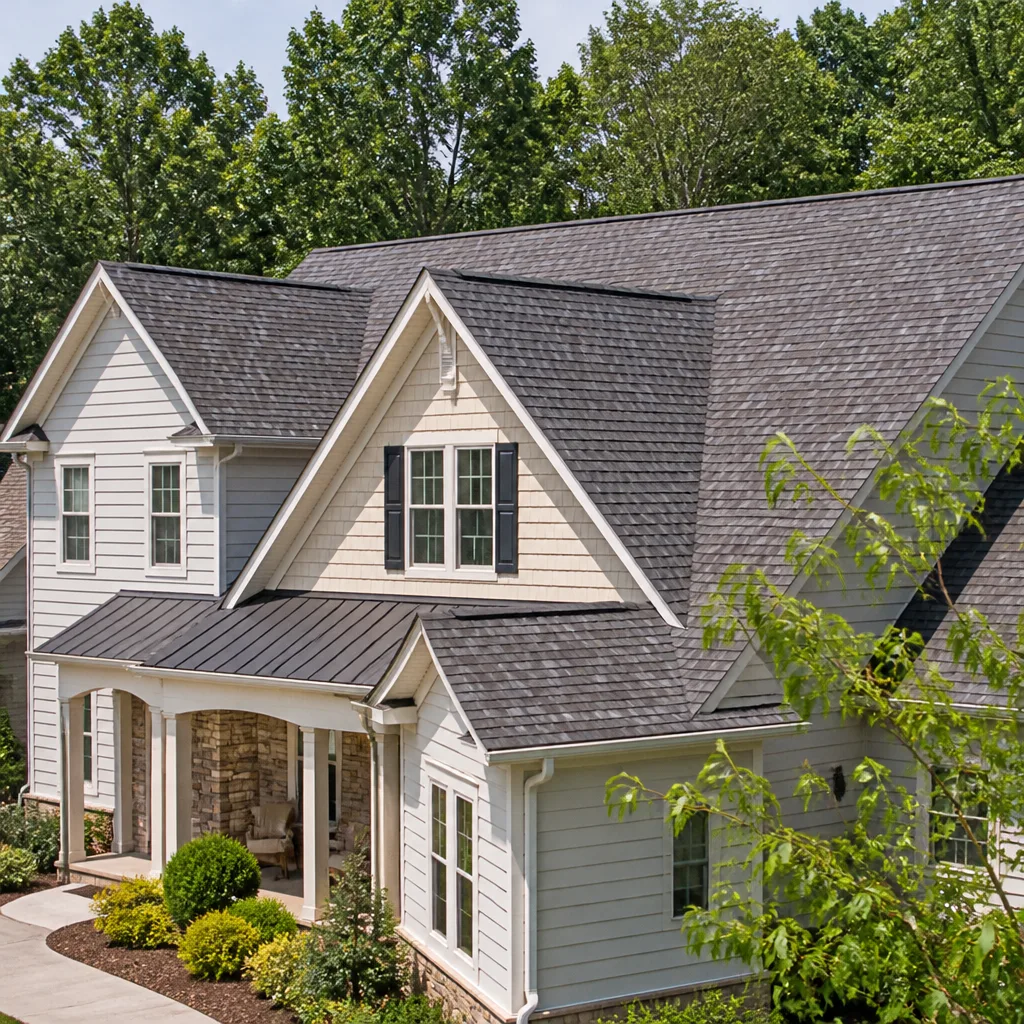 Owens Corning
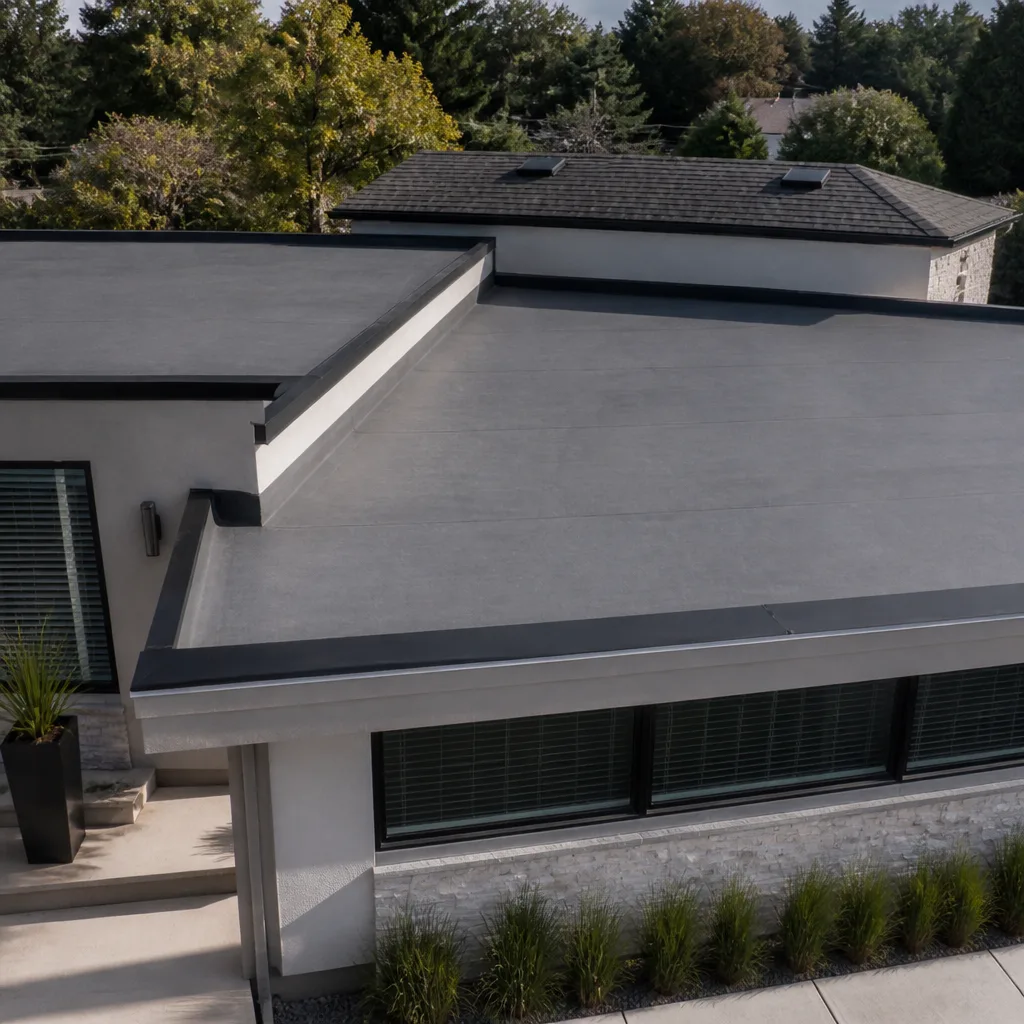 Flat & low-slope
Free roof inspection with deck photos before we talk money - GAF and Owens Corning certified installation
GAF Ridge Vent Installation: The Miami Owner’s Guide
GAF ridge vent installation in Miami typically runs $650 – $1,150 installed on a standard single-family home, depending on ridge length, roof pitch, and whether old venting needs to be removed first. Most jobs take our crew half a day, and we stock GAF-compatible ridge vent material on our trucks so we’re not running back and forth to a supply house. The way most Miami homeowners discover their ridge vent has failed is a hot attic in the middle of summer, an electric bill that’s crept up for no obvious reason, or water staining along the ceiling near an exterior wall after a hard afternoon storm.
A roof shouldn’t be something you worry about – that’s our job. And ridge vent failure is one of those things that quietly gets worse for months before you notice anything at all. By the time the attic hits 130 degrees in July or water starts beading on the underside of the roof deck, the fix is usually a full ridge vent replacement, not a patch.
Key Takeaways
- Typical GAF ridge vent installation cost in Miami: $650 – $1,150 for most homes
- Most ridge vent failures are caused by cracked plastic shingle-over caps or crushed baffles, not the shingles themselves
- GAF’s Snow Country and Cobra lines use different baffle designs, and mixing them causes airflow problems
- You can check your own attic for airflow and moisture signs in about 10 minutes without getting on the roof
- Every install includes a written price before work starts and a 365-Day Done Right Promise in writing
Which GAF Models This Applies To
Mercer Roofing Co Miami is an independent roofing company and not affiliated with GAF, but we install and service the full range of GAF ridge vent products. The two lines we see most often on Miami roofs are the GAF Cobra Ridge Vent series and the GAF Snow Country Ridge Vent series. Cobra is the standard shingle-over vent with a molded plastic baffle and an exterior cap that blends with asphalt shingles. Snow Country is a heavier, wider-profile vent originally designed for northern snow loads, but plenty of builders here in South Florida used it because of its higher net free vent area per linear foot.
Here’s the compatibility gotcha most homeowners don’t know: Cobra and Snow Country baffles are not interchangeable. The Snow Country profile is wider and taller, and if a previous roofer tried to cut it into a ridge slot sized for Cobra, or vice versa, you end up with gaps at the ends of each section where air leaks around the baffle instead of through it. That’s a real failure point we see on Miami homes where the ridge vent was patched rather than replaced. To identify what you have, look for the GAF name printed on the baffle plastic, or take a photo of the ridge cap from the ground and we can usually tell you in a single phone call when we see the profile shape.
Beyond choosing the right line, the vent width matters. Most GAF ridge vents for standard 4/12 to 12/12 pitches run 11-1/4 inches wide for Cobra and 14-1/2 inches wide for Snow Country. The ridge slot cut into the deck should be 2 inches wide on each side of the peak, leaving roughly a 4-inch gap along the ridge. If a previous roofer cut the slot too wide or too narrow, no manufacturer vent will perform the way the spec sheet says it will. We measure before we quote, because the fix sometimes involves adjusting the slot, not just swapping the vent.
OEM versus aftermarket: For GAF ridge vent specifically, we recommend staying with GAF-branded or GAF-spec aftermarket vent material that matches the original profile. There are universal shingle-over vents on the market that claim to fit everything, but the baffle height and vent opening geometry matter for how much air actually moves through your attic. An aftermarket vent that sits too flat against the ridge reduces airflow significantly, even if it looks fine from the street. We stock GAF Cobra and Snow Country material, plus Owens Corning and CertainTeed ridge vent lines for homes with those shingle systems.
Styles & brands we work with
Signs Your GAF Ridge Vent Installation Is Failing
Ridge vent failure doesn’t announce itself like a broken tile. It shows up as small problems that homeowners write off as “Miami heat” or “just an old house.” Here’s what we regularly find when a customer calls us out for what turns out to be a failed ridge vent.
- Attic temperature spikes on sunny days. A working ridge vent moves hot air out continuously along the entire peak. When the baffle cracks or the vent material detaches from the ridge, that airflow stops and the attic temperature climbs quickly, often pushing 145 degrees or more in a Miami summer. The underlying cause is usually plastic baffle deterioration from years of UV exposure and heat cycling.
- Water staining along exterior walls or ceiling corners. Moist, humid air that can’t escape through the ridge condenses on the underside of the roof deck. The water runs down the decking and collects where the roof meets the walls. In Miami’s wet season, we see this pattern over and over on homes with blocked or collapsed ridge venting.
- Granule loss around the ridge cap shingles. Shingles near the ridge take the most heat and weather exposure. If the ridge vent isn’t moving air properly, the shingle caps overhead to bake from below and above, and granules start washing into the gutters. You’ll see granule grit accumulating at the downspout first.
- Visible sagging or cracking in the ridge cap line. From the ground, look at the straight line where your roof peaks. The cap should look even and consistent. If you see gaps, warped sections, or sections that look darker than others, the vent material underneath is likely collapsing or separating. The ridge vent itself is only rated for so many years of South Florida sun before the plastic goes brittle.
- Musty attic smell inside the house. A ridge vent that’s not pulling air out of the attic allows humidity to build. That stale, damp odor you notice when you open a hallway closet that shares attic space is a warning sign. The root cause is insufficient air exchange, and the ridge vent is usually the weakest link on Miami asphalt shingle roofs.
If you’re seeing two or more of these signs, the ridge vent is probably past its service life. Ridge vent replacement is a job we do frequently on homes across Miami, from Shenandoah to Kendall to the areas around Coral Gables, and it’s usually caught on the same day and priced before we start.
See the difference
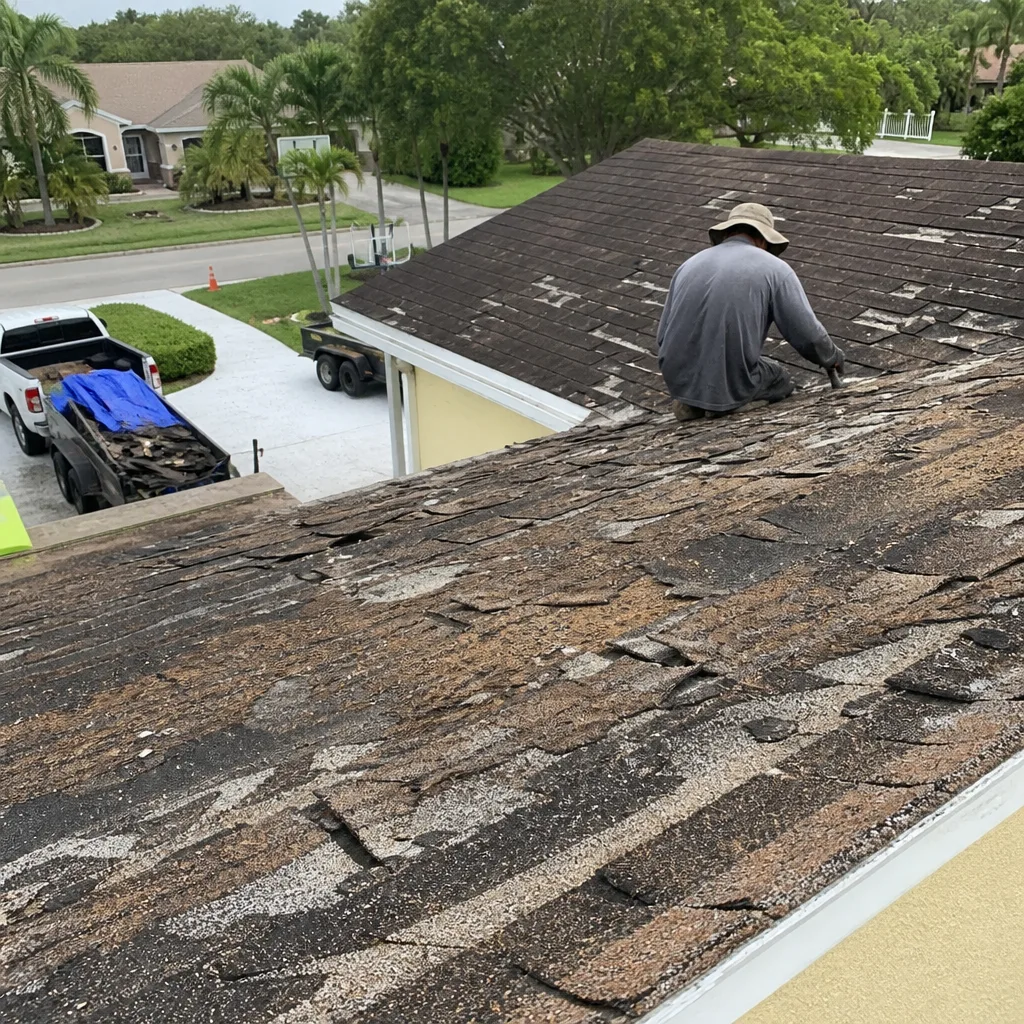 Before
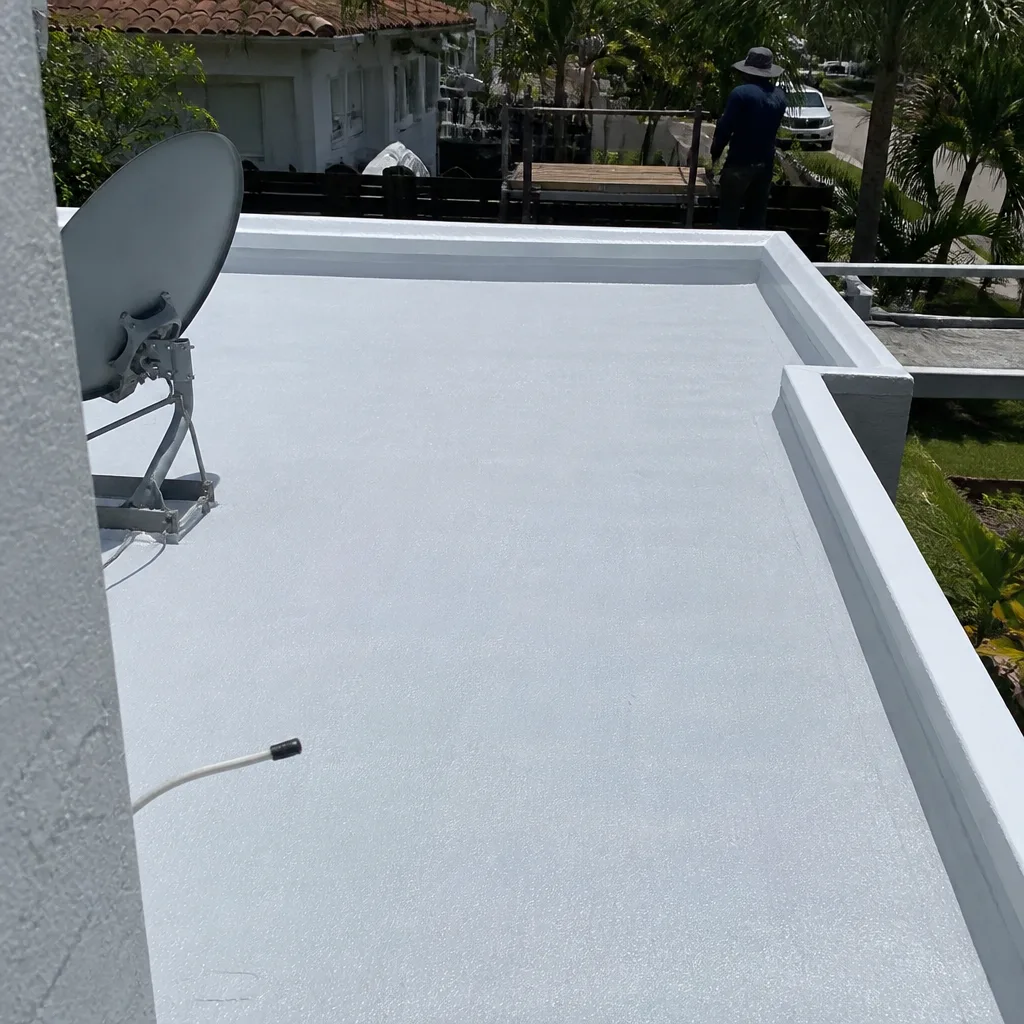 After
After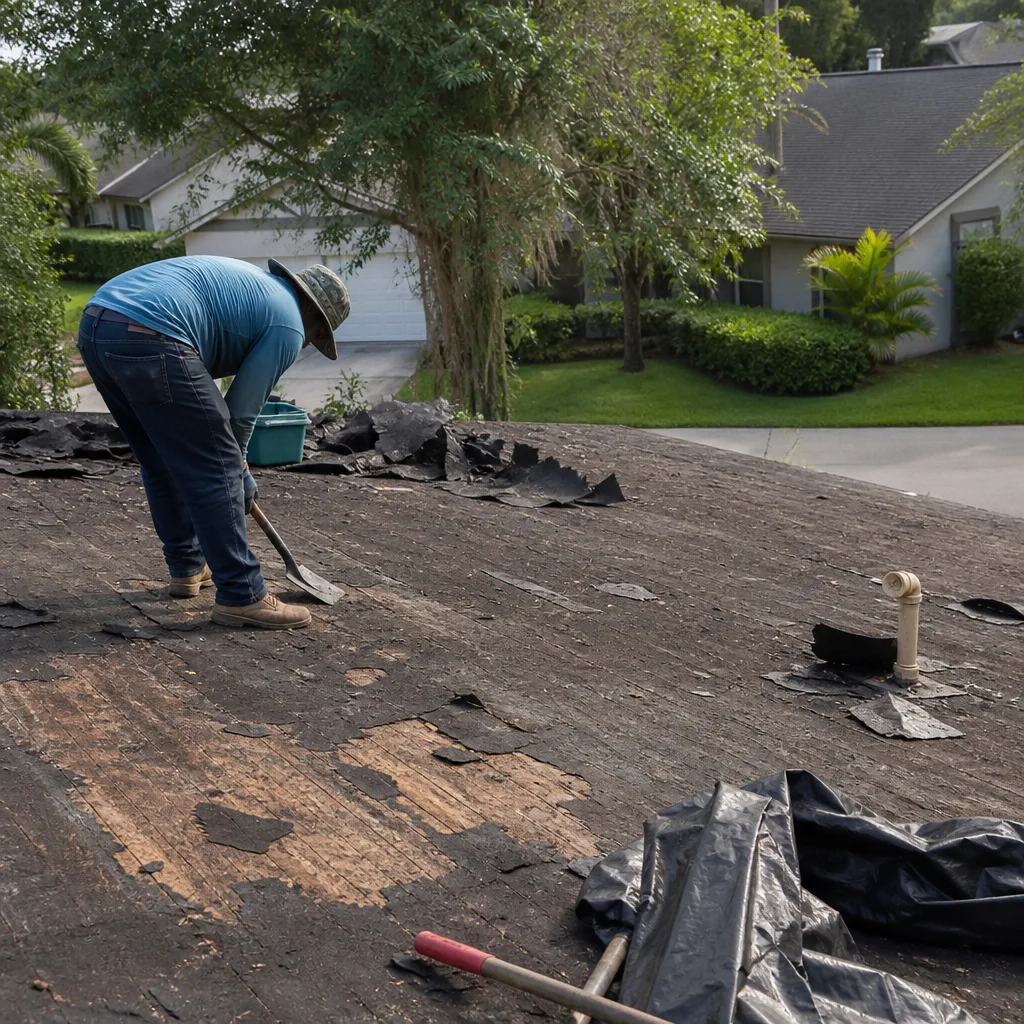 Before
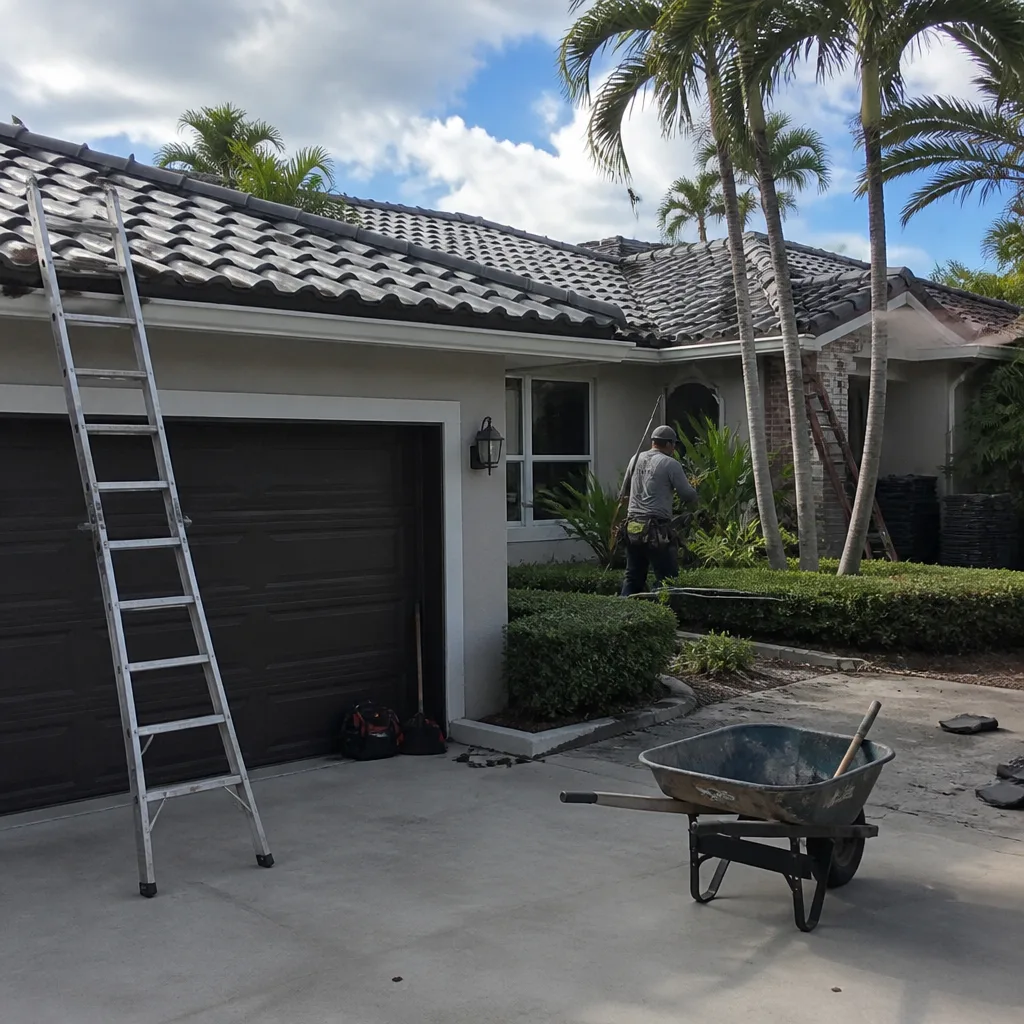 After
After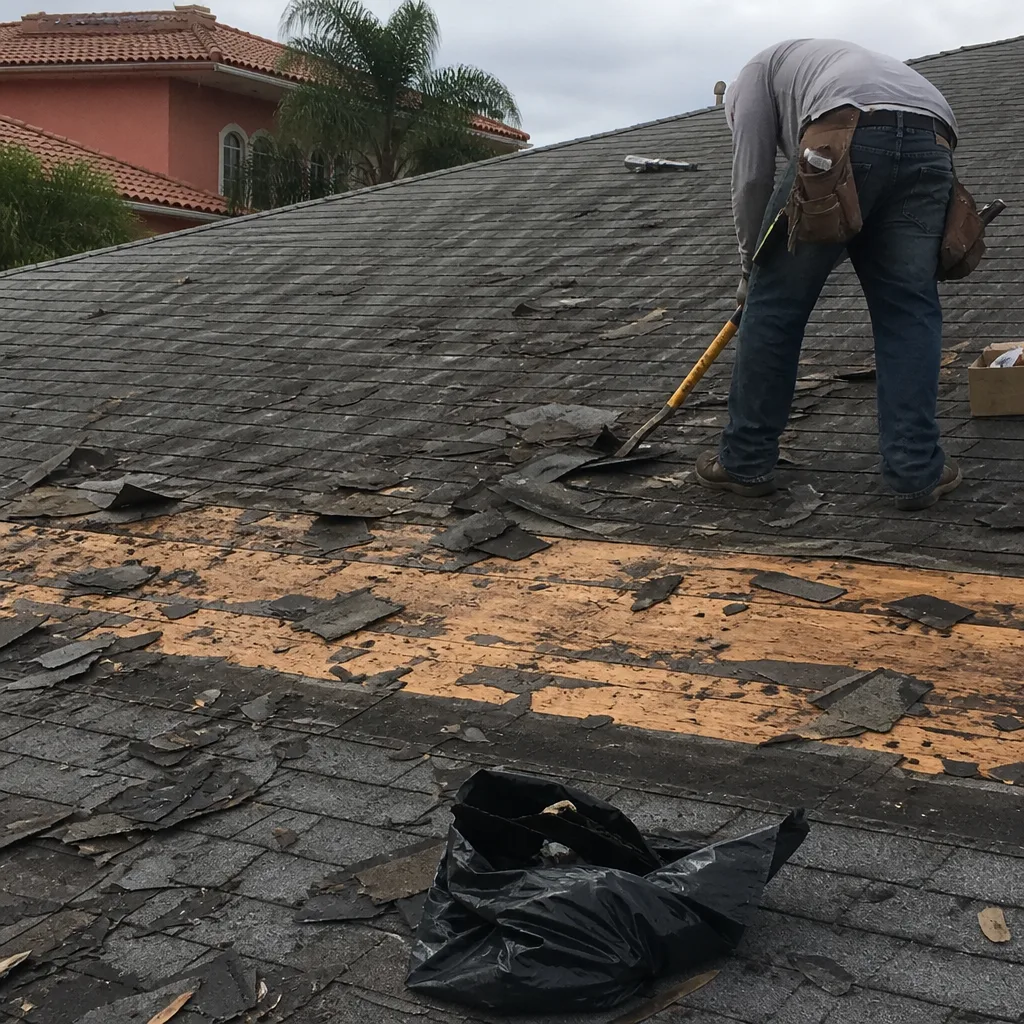 Before
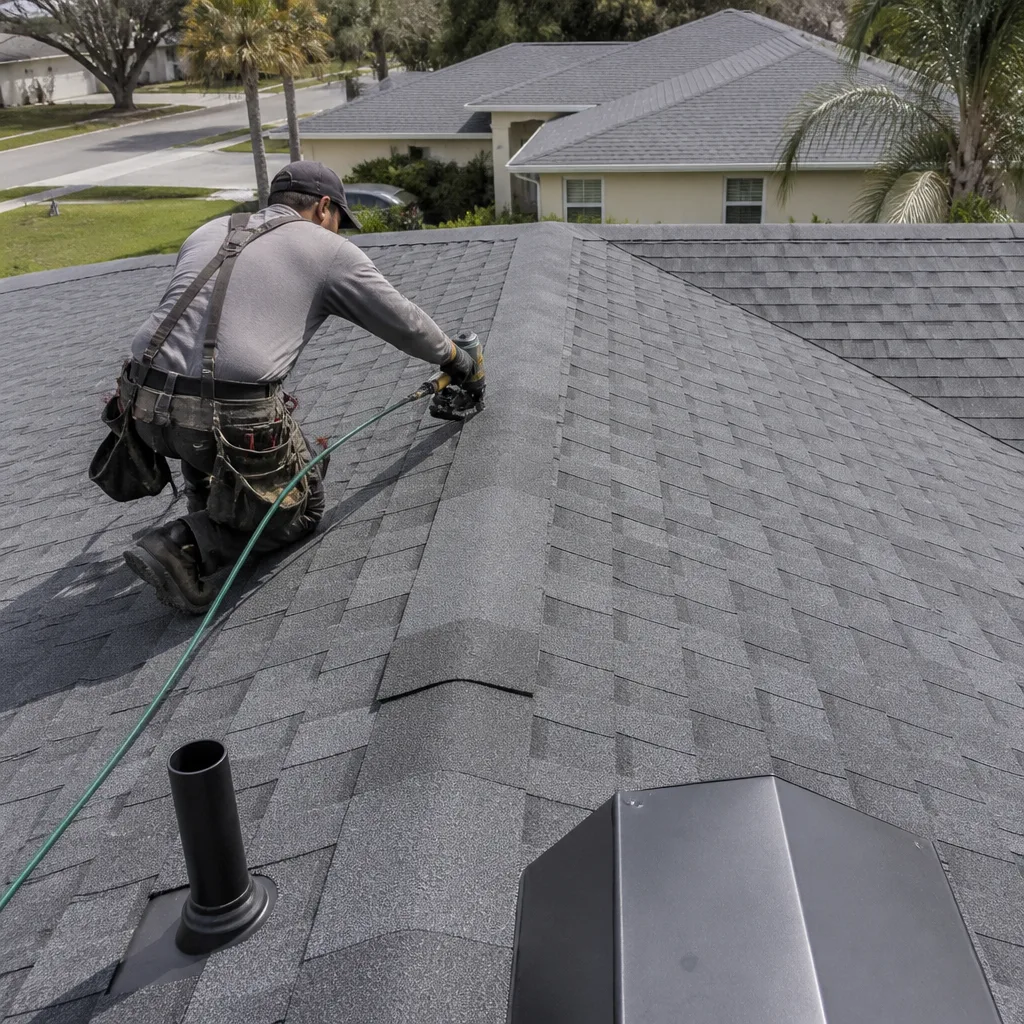 After
AfterReplacement Cost & What’s Included
Here’s straight pricing for GAF ridge vent installation in Miami, because you shouldn’t have to call three companies to figure out what this should cost.
| Service | Typical Miami Installed Price |
|---|---|
| Ridge vent replacement, standard home up to 40 ft ridge | $650 – $850 |
| Ridge vent replacement, 40 – 80 ft ridge, or two-story access | $850 – $1,150 |
| Add ridge slot re-cut (deck adjustment) | $150 – $300 |
| Add damaged decking replacement (per sheet) | $75 – $110 per sheet |
| Full ridge cap shingle replacement over new vent | Included with vent replacement |
The main cost drivers are ridge length, roof pitch, how many stories your home is, and whether the existing vent can be unscrewed cleanly or has to be cut and pried out of failing decking. Labor runs $90 – $135 per hour in Miami for a two-person roofing crew, and a typical ridge vent replacement runs 3 to 5 hours. Materials for a standard GAF Cobra or Snow Country vent run $6 to $12 per linear foot, which beats paying for a whole new roof when the only thing failing is the vent line.
Every estimate is written and line-itemed before any work starts. That means the number you approve is the number on the invoice. If we find rotted decking under the ridge vent once we open it up, we’ll show you a photo, tell you the exact added cost in writing, and you decide before we cut another inch. No change orders. No surprises. The entire installation is covered by our 365-Day Done Right Promise in writing: if it isn’t right within a year, we make it right, and if the repair fails, the second visit is on us.
DIY or Call Us?
Honest answer: you can check a lot from the ground and inside the attic without touching the roof, and you should. But replacing ridge vent is not a casual Saturday project, and here’s why.
What you can safely check yourself: Look at the ridge line from the street or yard for obvious gaps, warping, or unevenness. Go into the attic on a hot afternoon and feel the air at the peak. A working vent will show at least some warm air movement near the ridge. Look for dark water staining on the decking, especially near the ridge. None of that requires getting on the roof.
What goes wrong with DIY is the ridge itself. You’re walking the highest, steepest line of the roof, often on a pitch where Miami tiles or architectural shingles give you poor footing. Ridge vent sits on top of that, and removing it means using pry bars while balanced. Falls from ridge work put more roofers in Miami hospitals than any other type of roof work. Then there’s the deck cutting, the underlayment detail, and making sure the slot width matches the vent you bought. Get the slot too wide and you’ve created a water intrusion point, not a ventilation improvement. Get it too narrow and the vent can’t do its job.
We walk the ridge every week in Miami. We’re set up for it, we carry the right GAF vent material on the truck, and the price you approve is the price you pay. Call (850) 753-2996 and we’ll come out, measure the ridge, and give you a written number the same day.
FAQs
Expect 10 to 15 years from a GAF ridge vent in Miami, which is shorter than the 15 to 20 years you might get in a milder climate. South Florida’s heat and UV breaks down the plastic baffle material faster, and our humidity accelerates degradation where the vent body meets the shingle cap. If your ridge vent is over 10 years old and showing any of the failure signs above, it’s near the end of its service life. Call (850) 753-2996 for an exact assessment and a written quote.
Small sections of damaged vent can sometimes be patched, if the rest of the vent line is under 8 years old and the decking underneath is sound. But most Miami ridge vent failures are age-related, meaning the whole line is brittle and a patch just moves the failure point a few feet down the ridge. We’ll tell you honestly which situation you have after an inspection. Call (850) 753-2996 and we’ll look at it before you spend anything.
A standard ridge vent replacement on a single-story Miami home takes half a day, usually 3 to 5 hours from setup to cleanup. Two-story homes with longer ridge lines can run 6 to 7 hours. We include the ridge cap shingle replacement in the same visit, so the vent and the shingles over it go on together and cure together. Call (850) 753-2996 and we’ll give you a time estimate along with the written price.
Yes. Our Miami crews carry GAF Cobra and Snow Country ridge vent material, plus the matching ridge cap shingles and fasteners needed for a complete installation. We also stock Owens Corning and CertainTeed vent lines for homes with those roofing systems. Most ridge vent replacements are done in one trip because the material is already on the truck. Call (850) 753-2996 to schedule your free estimate.
Written by Grant Whitlock, Owner, Mercer Roofing Co Miami at Mercer Roofing Co Miami, serving Miami and nearby areas.