
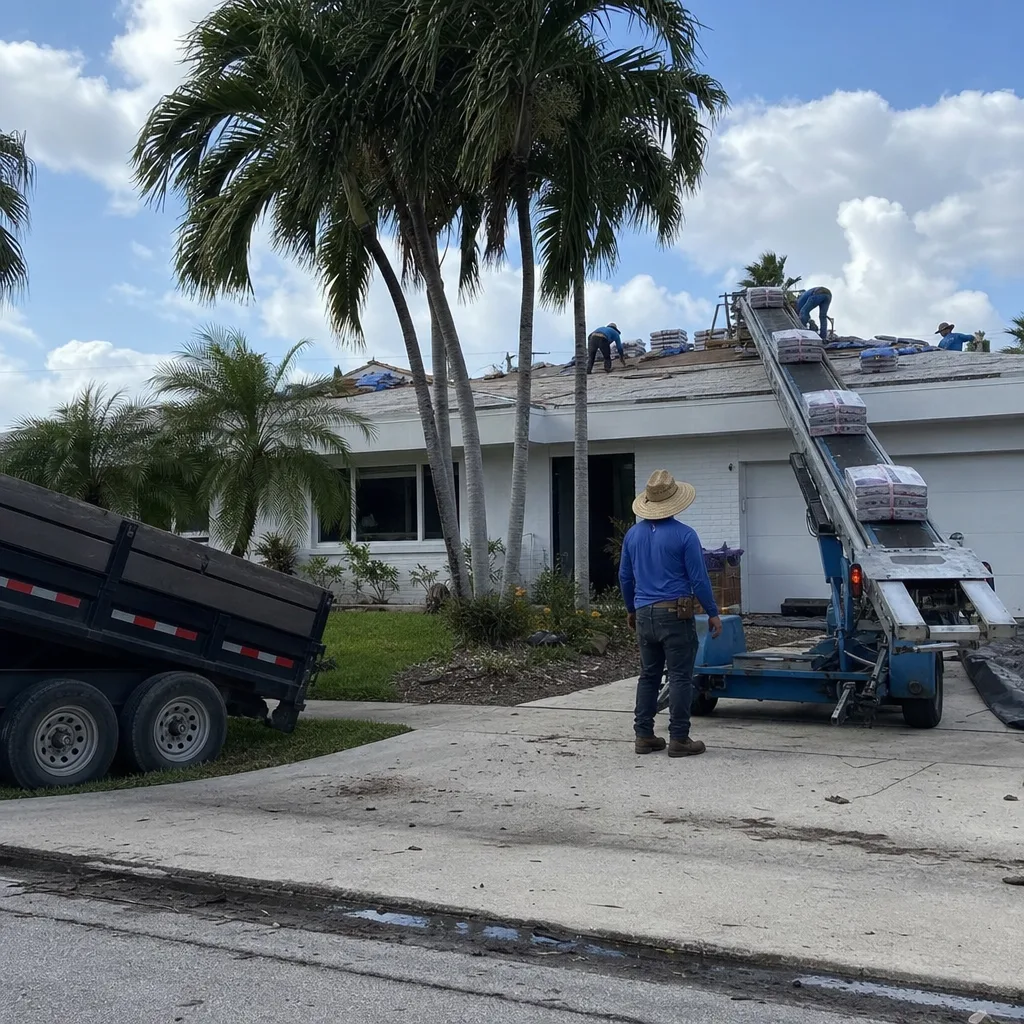
Last updated October 17, 2026
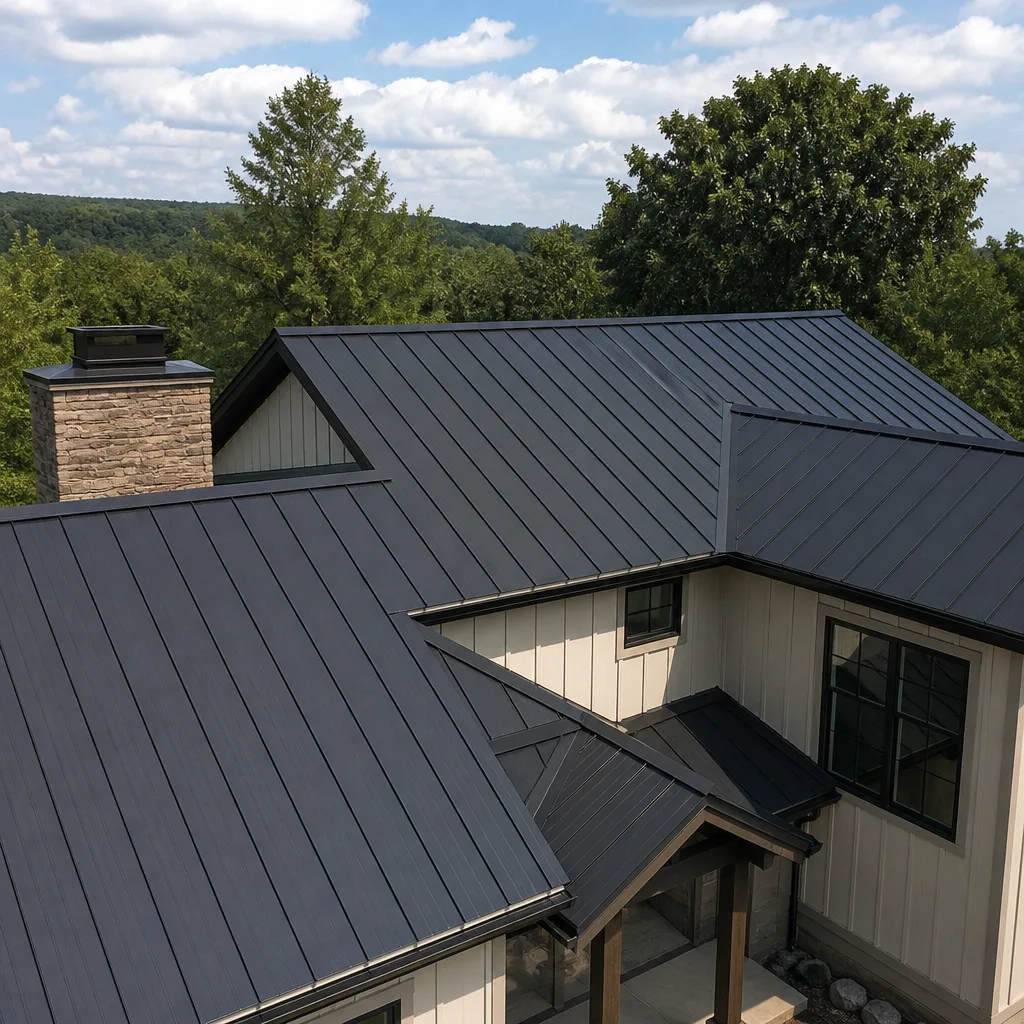 Metal roofing
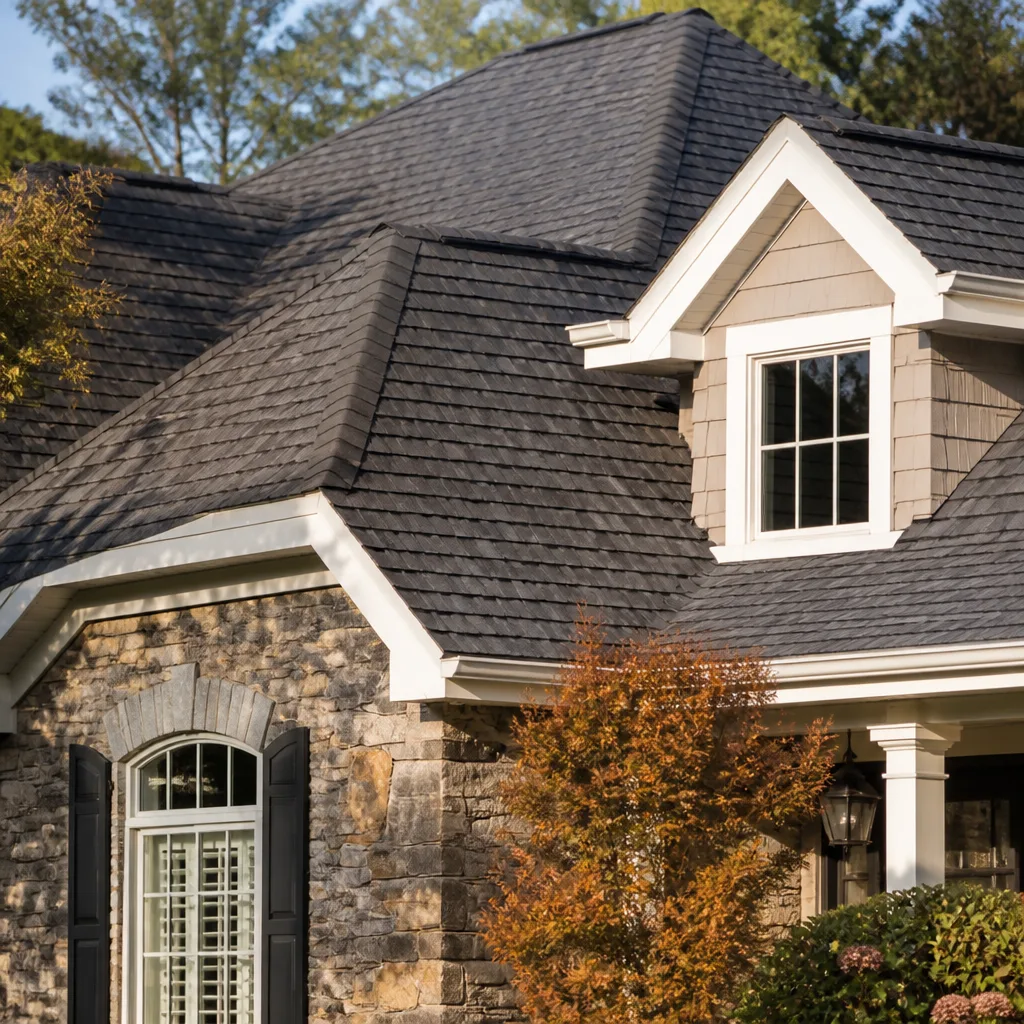 Architectural shingles
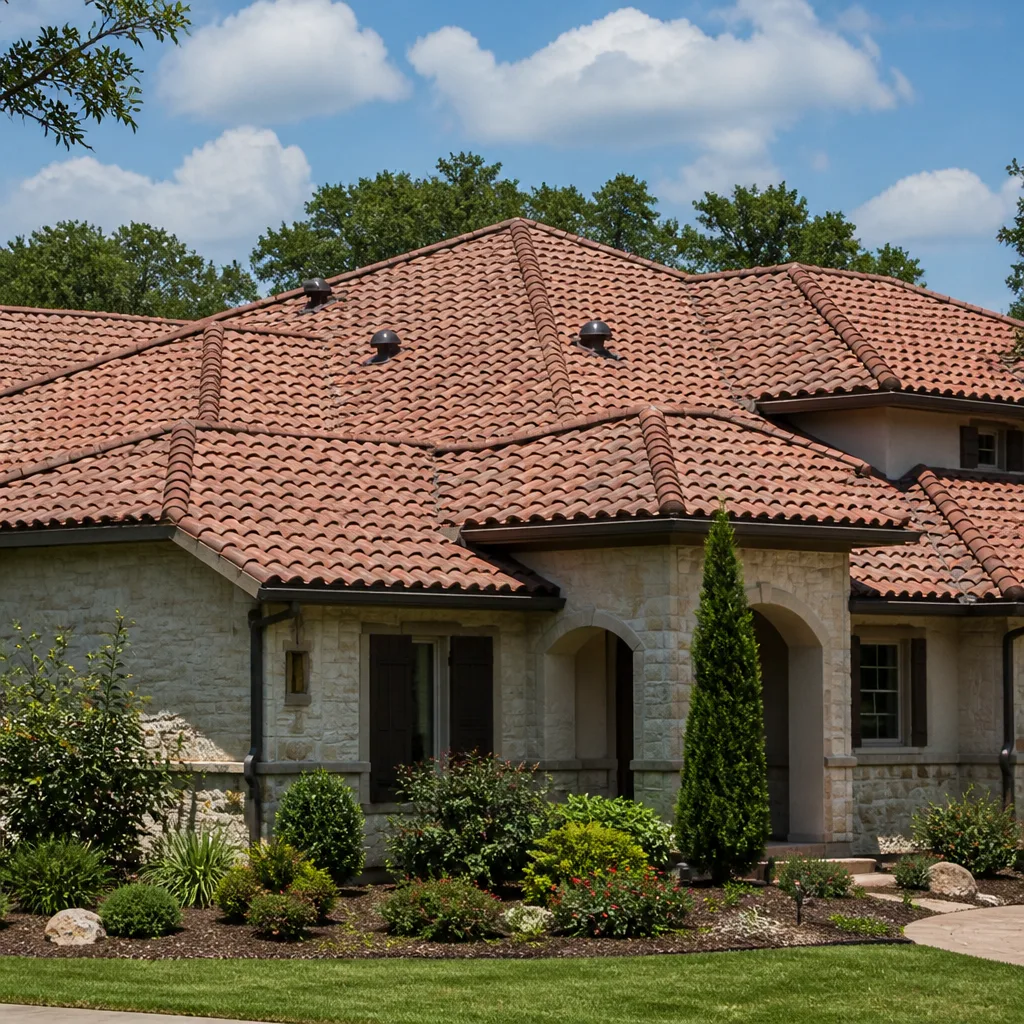 Tile roofing
 GAF
GAF Owens Corning
 Flat & low-slope
Free roof inspection with deck photos before we talk money - GAF and Owens Corning certified installation
Roofing Cost Breakdown: The Miami Homeowner’s Reference for 2026
A $14,000 roof replacement bid in Miami can end up costing you $54,000 if the contractor skips HVHZ-rated underlayment and your insurer denies the claim after the next named storm. That’s the gap between price and cost, and it’s wider in Miami than almost anywhere else in the country. This guide-along with our more guides & resources-breaks down what a roof actually costs in Miami in 2026, where every dollar goes, and how to tell whether a bid reflects real building-code compliance or margin padding dressed up as savings. You’ll learn the going rates for tile, metal, and flat roofs, how to read an estimate line by line, and what financing really costs over time.
Quick Answer
In Miami, a full roof replacement in 2026 typically runs $18,000 to $32,000 for concrete tile, $22,000 to $38,000 for standing-seam metal, and $9,000 to $16,000 for flat modified bitumen on a 2,000-square-foot home. Miami roofing runs 20-35% higher than the national average because of HVHZ wind codes, NOA-approved material requirements, and the labor cost of licensed installers who build to Dade County standards. The single most important line item on any Miami estimate is the underlayment system, and the cheapest bid almost always means it’s been downgraded or omitted.
Styles & brands we work with
Table of Contents
- Why Miami Roofing Costs 20-35% More Than the National Average
- 2026 Roof Replacement Prices by Material: Tile, Metal, and Flat
- The Code Compliance Layer: What Miami Adds to Every Job
- How to Read a Miami Roofing Estimate Line by Line
- Remove and Replace vs. Overlay: What It Means for Your Price and Your Policy
- The Real Cost of Financing a Roof in Miami in 2026
- Why Two Identical Bids Can Differ by $6,000
- Common Mistakes to Avoid
- When to Call a Professional
- Frequently Asked Questions
Why Miami Roofing Costs 20-35% More Than the National Average
National roofing guides say a shingle roof costs $8,000 to $12,000. Those guides are not written for Miami, and using them to budget a roof here is like pricing a car using 1998 MSRP. The premium Miami homeowners pay isn’t optional markup. It’s the cost of building to survive a Category 5.
The three cost drivers that don’t exist in most U.S. markets
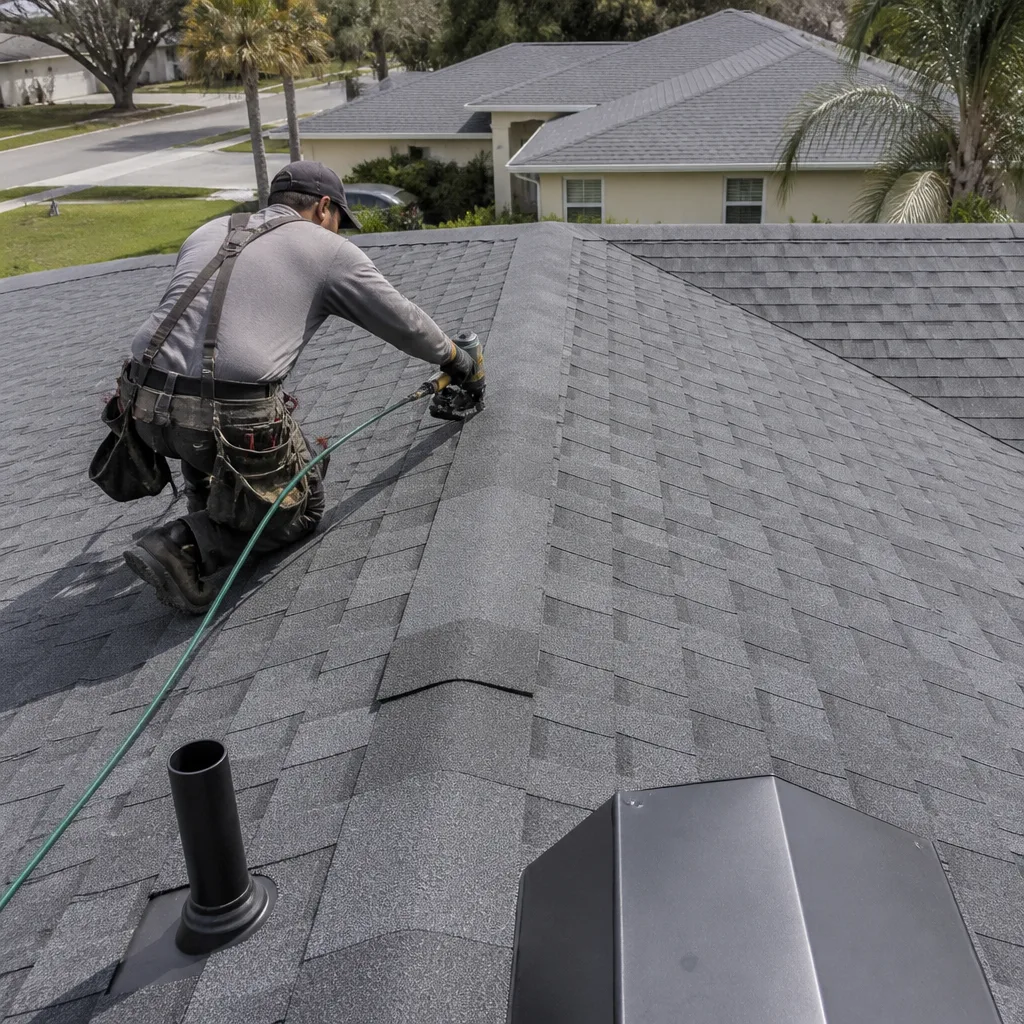
HVHZ code requirements. Miami-Dade sits inside the High Velocity Hurricane Zone, the strictest wind-code designation in the country. Every fastener, every layer of underlayment, every flashing detail has to meet HVHZ prescriptive standards, as covered in our Roofing Permits, Codes & Inspections in FL: What You Need to Know. A standard national roof install uses four nails per shingle. An HVHZ install can require six nails, specific nail placement, sealed caps, and a secondary water barrier across the entire roof deck. That’s more material and more labor, and it’s non-negotiable if you want an insurance policy that pays out.
NOA-approved materials. Every product that touches a Miami roof deck, from the underlayment to the tiles or panels, needs a Miami-Dade Notice of Acceptance number. NOA-approved materials cost 15-40% more than their off-the-shelf equivalents because manufacturers pay for hurricane testing and product certification, and that cost passes to the buyer. A $90-per-square underlayment that isn’t NOA-approved is worthless in Miami. Contractors bidding with non-approved materials are pricing an illegal installation.
Licensed labor. Miami has a shortage of licensed roofers who know HVHZ fastening schedules cold. The labor rate for a qualified crew in Dade County ran $65 to $90 per hour per worker through late 2025, and it’s holding into 2026. National averages hover around $45 to $60. That differential is the market pricing competence, and the alternative, using unlicensed day labor, voids your warranty and, in many cases, your insurance coverage.
2026 Roof Replacement Prices by Material: Tile, Metal, and Flat
Miami homes fall into three roofing camps: concrete tile for Mediterranean and Spanish-style construction, metal for modern and mid-century builds, and modified bitumen or TPO for the flat and low-slope roofs common in Coral Gables, Coconut Grove, and older Miami Beach homes. Here are the working price ranges our crews quote in 2026, based on a 2,000-square-foot roof with full tear-off.
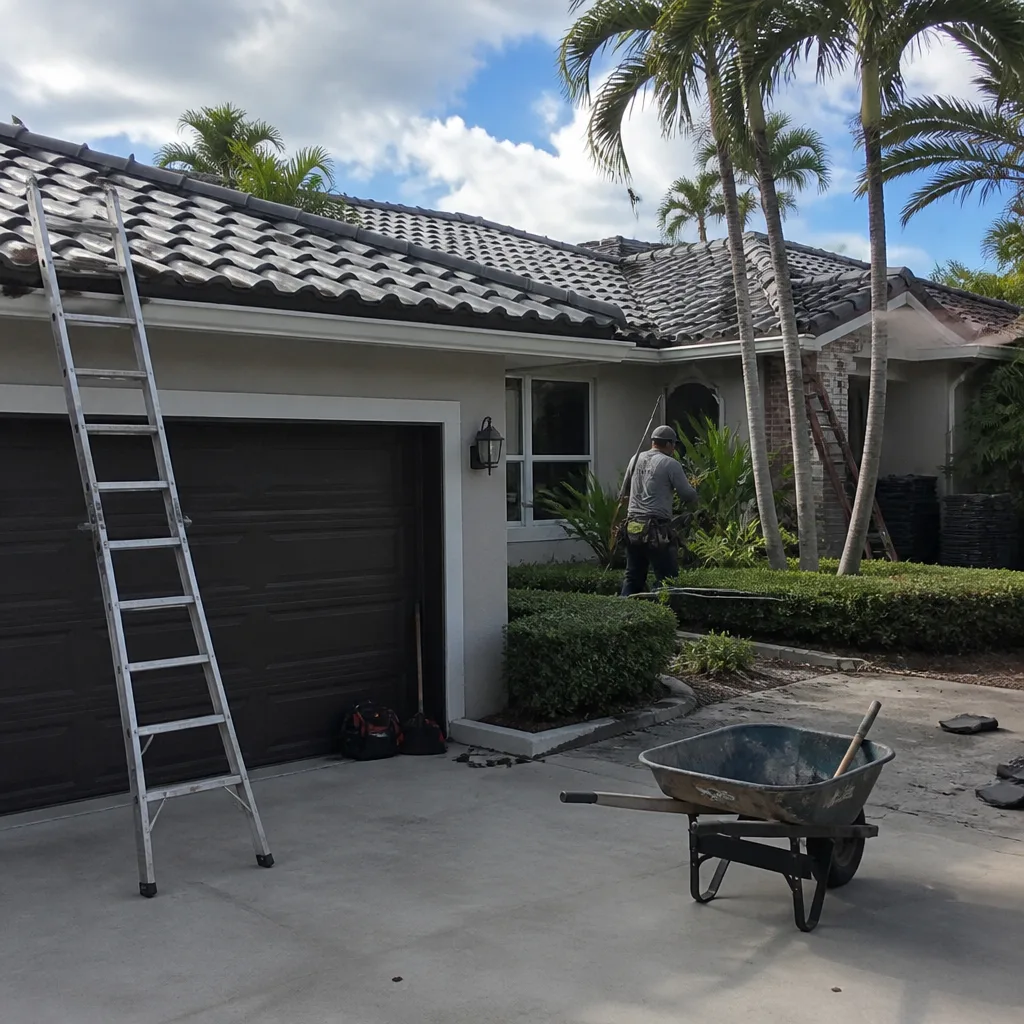
Concrete tile: $18,000 to $32,000
- Materials (35-40% of total): $6,300 to $12,800. NOA-approved concrete tile from trusted manufacturers runs $4.50 to $7.00 per square foot installed material cost, but Miami’s HVHZ code also requires a self-adhered base sheet plus a polymer-modified or triple-layer underlayment system that adds $3,000 to $6,000 on its own.
- Labor (45-50%): $8,100 to $16,000. Tile installation in Miami takes a specialized crew that can properly fasten, align, and seal tile to prevent wind uplift. Expect 3 to 5 full days of work.
- Disposal, permits, and incidentals (10-15%): $1,800 to $4,800. Miami-Dade building permits for a roof replacement run $400 to $1,200 depending on valuation, and hauling 8 to 12 tons of old tile to an approved Miami-Dade landfill adds real money.
Metal (standing seam or screw-down panel): $22,000 to $38,000
- Materials: $9,900 to $19,000. Galvalume and aluminum panels hold up well in Miami’s salt air, but NOA-rated panels are pricier than what metal suppliers sell in non-coastal markets. A standing-seam system from a manufacturer-approved line runs $7 to $12 per square foot just for the metal, and the hidden fastener clips required under HVHZ add another $1.50 to $2.00 per square foot.
- Labor: $9,000 to $15,000. Metal roofing requires metal-specific tools, panel-lock machines, and crews who know how to install continuous eave and ridge flashing that meets code and keeps water out during horizontal rain.
- Underlayment, trim, fasteners: $3,100 to $4,000. Metal roofs still sit on an HVHZ-rated underlayment system, and the fastening pattern for metal panels is denser than what national installs call for.
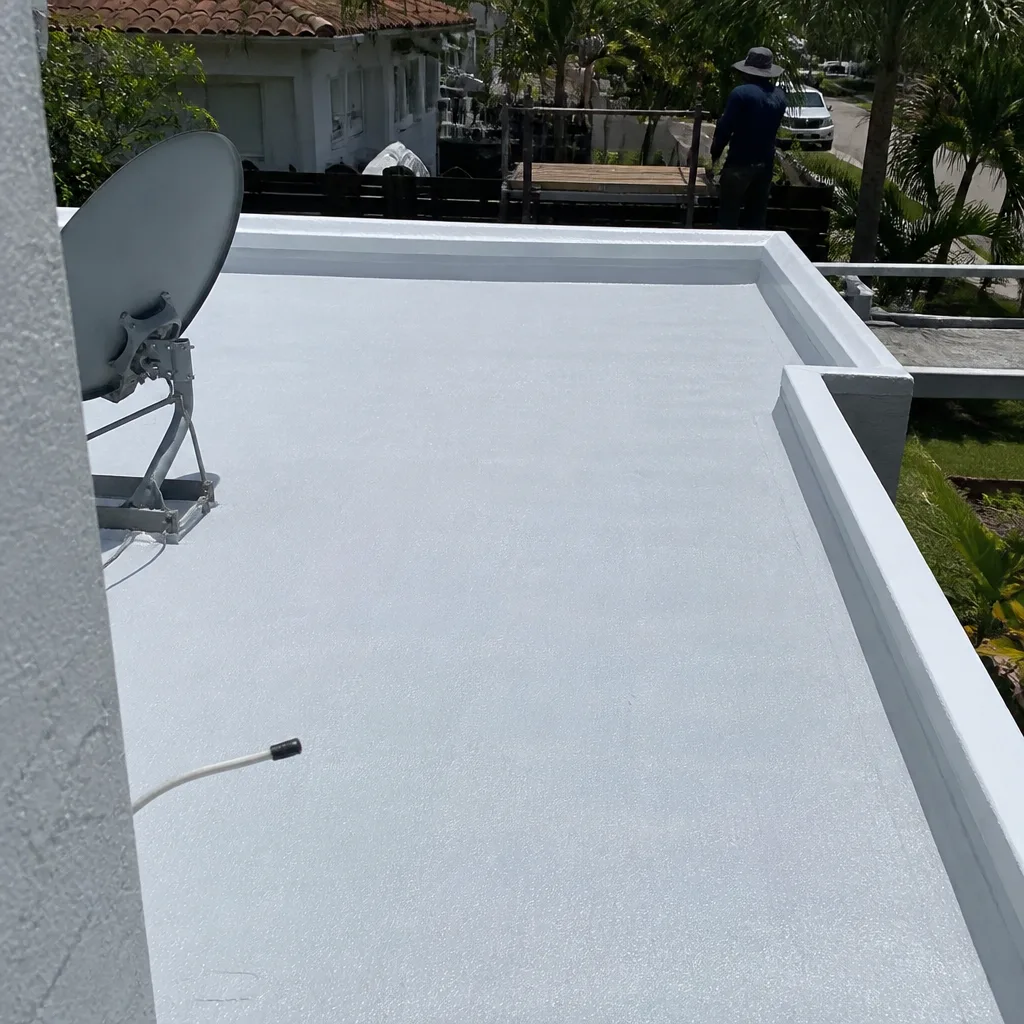
Flat roof (modified bitumen or TPO): $9,000 to $16,000
- Materials: $3,600 to $6,800. A two-ply modified bitumen system with NOA-approved base and cap sheets runs $3 to $4.50 per square foot in material, including adhesive, primer, and reinforcing fabric. TPO runs slightly less but requires more specialized installation equipment.
- Labor: $3,800 to $6,400. Flat roof work is hot, technical, and detail-heavy around drains, scuppers, and parapet walls. A two-person crew typically takes 3 to 4 days for 2,000 square feet.
- Base sheet, demolition, and roof-deck repair: $1,600 to $2,800. Flat roofs on older Miami homes often conceal water-damaged decking that has to be cut out and replaced before any new membrane goes down.
These ranges are for full tear-off and replacement. Repair pricing runs differently: expect to pay $450 to $900 for leak repair, $900 to $1,800 for flashing replacement, and $2,500 to $6,000 for a partial flat-roof re-cover of up to 1,000 square feet. For a fuller breakdown of repair-specific costs in Miami, see our roof repair pricing guide.
2026 Miami Roof Replacement Cost by Type (2,000 sq. ft.)
| Roof Type | Low Range | High Range | Material Split | Labor Split |
|---|---|---|---|---|
| Concrete Tile | $18,000 | $32,000 | 35-40% | 45-50% |
| Metal (Standing Seam) | $22,000 | $38,000 | 40-45% | 40-45% |
| Flat Modified Bitumen | $9,000 | $16,000 | 35-40% | 45-50% |
The Code Compliance Layer: What Miami Adds to Every Job
Every legitimate Miami roof has a hidden stack of code-mandated materials that never shows up on price lists from national roofing guides. These layers are the difference between a roof that survives Hurricane Andrew, Irma, or whatever the 2026 season brings, and one that becomes a homeowner’s insurance nightmare-see our Roofing Warning Signs: A Miami Homeowner’s Reference Guide for what to watch for. If a bid does not list these items, the contractor is either building illegally or quietly planning to cut them.
The five code-compliance line items that belong on every Miami estimate
- HVHZ fastening schedule. Miami-Dade requires specific nail types, nail lengths, nail counts per shingle or tile, and placement directions for every roof covering. A standard non-HVHZ install uses 4 nails per 3-tab shingle; HVHZ requires 6 nails on a precise pattern. The extra fasteners are cheap, but the extra labor and inspection documentation are not.
- NOA-approved rigid or self-adhered underlayment. The base layer under your roofing material is the true waterproofing layer in a hurricane. Miami code requires either a self-adhered modified-bitumen membrane or a structurally fastened rigid underlayment panel, and the product must have a current NOA. This layer alone costs $2,000 to $5,000 more in Miami than what non-coastal roofs use.
- Sealed roof deck. Every seam in the plywood or OSB decking has to be sealed before underlayment goes down, so that if wind-driven rain gets under the outer roof material, it cannot reach the attic. Newer code requires all deck seams taped or sealed, and that’s a line item many low-bid contractors skip because the work is invisible once covered.
- Secondary water barrier at eaves, valleys, and penetrations. Peel-and-stick flashing membrane at every transition, pipe boot, chimney, and skylight. In Miami, this material is not optional flashing tape from a big-box store. It has to be a rated self-adhered membrane that carries an NOA and meets HVHZ adhesion standards.
- Rooftop equipment and fixture anchoring. Anything mounted on the roof, HVAC curbs, satellite mounts, solar brackets, must be fastened to HVHZ standards as part of the roofing permit. In many cities, the roofer does not touch this. In Miami, it is part of the passing inspection, and it costs money.
We’ve seen bids in Miami that look $6,000 cheaper than a compliant estimate because items two through five are missing, replaced with generic “underlayment” and “flashing” language. When the time comes to pull the permit or pass final inspection, the homeowner discovers the price was for a roof that cannot legally be installed. Always ask a contractor to list the specific underlayment brand and its NOA number on the written estimate.
How to Read a Miami Roofing Estimate Line by Line
A roofing estimate is a contract, not a conversation. The way it’s written tells you what actually will happen on your roof and what insurance will cover later. In Miami, the difference between a professionally itemized estimate and a one-page “we do roofs for $12,000” quote often equals the difference between an insurable asset and an uninsurable one.
The lines every Miami estimate should contain, in order
- Tear-off and disposal of existing roof. Looks for the number of layers being removed (“1 layer” or “2 layers”) and the disposal fee. Miami-Dade charges specific tipping fees at county-approved facilities, and 8 to 12 tons of old tile should show a disposal line of $600 to $1,500. If the estimate says “overlay” here, see the next section.
- Decking repair allowance. Most honest Miami roofers write “replacement of up to 3 sheets of 1/2-inch CDX plywood included, additional sheets at $120 each.” A bid that does not mention decking at all is a bid that will become a change order once someone cuts into your roof and finds what 20 years of Miami humidity left behind.
- Underlayment system by brand and NOA number. Specific words matter here. “Self-adhered SBS modified bitumen underlayment, GAF StormGuard or Titanium UDL-50, NOA #XX-XXXX” is a real line item. “Underlayment: premium system” is not a real line item, and it will not help you if a claim goes sideways.
- Roof covering material by brand, style, and installation standard. “Concrete tile, flat profile, Boral or Eagle, installed per Miami-Dade HVHZ prescriptive method” tells you what you’re buying. “Tile per code” tells you nothing.
- Flashing replacement scope. Which flashings are being replaced: pipe boots, chimney, wall-to-roof intersections, valley metal, drip edge. “Reuse existing flashing” on a 20-year-old Miami roof is a red flag, because old flashing is often the actual leak source.
- Permits and inspections. A written line item for the Miami-Dade permit, the third-party inspection, and the final sign-off. If a bid says “permits extra,” treat that bid with caution. Reputable Miami roofing companies include permits in the total price because pulling permits is never optional here.
- Warranty language. Your estimate should state the manufacturer warranty length and the workmanship warranty length separately. At Mercer Roofing Co Miami, every repair and installation comes with a written workmanship guarantee, and if a repair fails within 365 days, the second visit is free.
Remove and Replace vs. Overlay: What It Means for Your Price and Your Policy
An overlay (also called a recover or layover) means installing a new roof covering over the existing one without tearing it off. A remove and replace (also called a tear-off) means stripping everything down to the deck and starting fresh. Overlays cost 30-40% less because there’s no tear-off labor, no disposal, and no full deck inspection. Most Miami insurance carriers will not accept an overlay for wind mitigation credits, and many will not write a new policy or renew an existing one on a home with a second roof layer. If you’re hoping to lower your windstorm premium or qualify for a mitigation credit, the overlay savings disappear the first year your insurance premium jumps or your policy is non-renewed.
There are also structural realities. A second tile or shingle layer adds dead load that older Miami trusses were never engineered to carry. An overlay hides water-damaged decking, rotted fascia, and failing flashing, so you pay less now and more later when the hidden damage finally gets exposed. For a flat roof, the same trade-off exists between a full tear-off and a “recover” (new membrane over old). Re-covers are legal in Miami only when the existing roof is in near-perfect condition and the structure can handle the added weight. For most homes built before 1994, the sensible decision is a full tear-off, and your insurer almost certainly agrees.
The Real Cost of Financing a Roof in Miami in 2026
A roof is a five-figure purchase, and how you finance it changes the total cost by thousands. Miami homeowners in 2026 have three main options, and the “cheapest monthly payment” is rarely the cheapest roof.
PACE financing (Property Assessed Clean Energy)
PACE programs, offered in Miami-Dade through third-party administrators, attach the roof loan to your property tax bill. The appeal is no money down and no credit-score gate. The reality is that PACE loans carry effective APRs of 6% to 9% once you add administrative fees, and the assessment takes priority over your mortgage in some lien situations. Many Miami homeowners choose PACE and do not realize they’ve committed to a 15- to 25-year tax bill that makes the home harder to sell.
Manufacturer and contractor financing
Some manufacturers offer promotional financing through their certified installers, typically 0% for 12 months or a similar short window. After the promo period, rates often jump to 14-22%. These programs work only if you pay the roof off during the promo window. If you carry a balance, the total interest cost can exceed $8,000 on a $25,000 roof. We always advise homeowners to compare the total repayment amount, not the monthly figure.
Home equity loan or HELOC
In 2026, Miami homeowners with equity are seeing HELOC rates between 7% and 9.5%. That’s often the cheapest long-term money available because the interest may be tax-deductible if used for home improvement. On a $25,000 roof at 8% over 10 years, total interest is roughly $11,000. The same roof on PACE at 7.5% with fees over 20 years can cost $20,000+ in interest. Run the total, not the monthly.
Why Two Identical Bids Can Differ by $6,000
Two Miami roofers quote the same roof, the same tile, the same square footage, and one comes in $6,000 lower. The difference is never “the expensive guy is greedy.” In our experience pricing roofs across Miami, from Kendall to Aventura, the gap closes entirely once you compare the five line items below. The low bidder is not competing on margin. The low bidder is omitting work that your insurance company and building department require.
- Underlayment grade and NOA status. The most common place to silently cut. The low bidder may quote a standard 30-pound felt paper underlayment, which does not meet Miami HVHZ code, while the compliant bid quotes an NOA-rated self-adhered membrane at $2,000 to $5,000 more.
- Deck sealing and secondary barrier. Sealing every deck seam and installing peel-and-stick at eaves and penetrations is invisible once complete. It’s also hundreds of dollars in material and a full day of prep labor that the low bid simply won’t include.
- Fastening density and code compliance. HVHZ schedules call for more nails per tile or panel, plus specific placement. The low bid may use the national fastening pattern, which no Miami inspector will pass. Pass costs more, and the labor difference shows up in the bid.
- Real disposal. Dumping 10 tons of old roofing legally at a Miami-Dade facility costs real money. The low bid may be counting on illegal dumping, a much flimsier disposal method, or simply burying the line as a change order later.
- Permit and inspection honesty. In Miami, pulling a permit on a $25,000 roof can cost $700 to $1,400 with fees and inspections, and the job has to be scheduled around county inspectors. A contractor who skips permits saves that money and passes it on, but leaves you with an unpermitted roof that can block a sale and void an insurance claim.
Common Mistakes to Avoid
- Comparing Miami bids to national averages. Every national cost guide undercounts Miami because it doesn’t include HVHZ code compliance, NOA materials, and Miami-Dade permit fees. A “normal” $12,000 roof in Ohio is not a comparable project.
- Choosing a bid because it has the lowest bottom-line number. The cheapest Miami bid is almost always missing a code layer, a permit, or a real underlayment. Ask for the itemized breakdown, and read it before comparing totals.
- Accepting an overlay to save a few thousand. Miami insurers penalize second-layer roofs, often refusing to renew policies. The $4,000 you save on the overlay becomes $6,000 in premium increases and claim risk within two years.
- Skipping the written warranty. A spoken promise is not a guarantee in Miami. Every repair should carry a written workmanship guarantee. At Mercer Roofing, our 365-Day Done Right Promise is in writing on every job, and a failed repair gets a free second visit.
- Financing on monthly payment alone. PACE and contractor financing can cost twice as much in total interest as a HELOC, even when the monthly number looks smaller. Always compare the total dollar cost over the full term.
- Not asking who’s actually coming to the door. In Miami, a roofing crew that shows up without identification, without a uniform, and without a name you knew in advance is a risk before they ever climb a ladder. Ask any contractor how they identify their technicians before the visit. At Mercer Roofing Co Miami, every technician’s name and photo is sent before arrival, and each one badges in with a photo ID at the door. That’s the Threshold Standard we’re held to, and we’ve followed it since 2000.
When to Call a Professional
A roof leak, missing tile, or damaged flashing in Miami is never a wait-and-see problem. Water intrusion in a hurricane zone attacks the decking, the underlayment, and eventually the structure, and by the time stains show on your ceiling, the damage underneath is usually several stages further along. If you see water staining, cracked or displaced tile, granules collecting in gutters, or roofing material lifting at the edges after a storm, call a professional before the next rain event. You should also call when your insurance carrier requests a wind mitigation inspection or you’re refinancing and the lender flags the roof. Mercer Roofing Co Miami offers free estimates throughout Miami, and every estimate is in writing before any work begins. Call (850) 753-2996 to schedule yours.
Frequently Asked Questions
Expect $18,000 to $32,000 for concrete tile, $22,000 to $38,000 for metal, and $9,000 to $16,000 for flat modified bitumen on a 2,000-square-foot home with full tear-off. The wide range comes from underlayment grade, decking condition, permitting, and the contractor’s code-compliance level. Call (850) 753-2996 for a written, line-item quote on your specific roof, free of charge.
It shouldn’t, if the estimate was written honestly. A professional Miami estimate includes a decking allowance, disposal costs, permits, and a clear scope so the only surprise is the decking condition, which is capped by the allowance. At Mercer Roofing Co Miami, every price is written before work begins, and we don’t write change orders for scope we could have seen from the start.
Yes. Miami-Dade County requires a building permit for any roof replacement, and the work must pass both a third-party inspection and a county inspection. Working without a permit can void insurance coverage and make the home difficult to sell later. Reputable Miami contractors include permitting costs in the estimate.
Most 2,000-square-foot tear-off and replacements take 3 to 5 working days in Miami, depending on material. Tile takes the longest because each piece is installed and fastened individually. Scheduling around Miami-Dade inspections can add 1 to 2 days. Flat roofs typically run 3 to 4 days.
An overlay installs new roofing over the old layer and costs 30-40% less up front, but most Miami insurance carriers reject overlays for wind mitigation credits and may refuse to renew the policy. A tear-off removes everything to the deck, exposes hidden damage, and is the only method that qualifies for full insurance discounts in most cases.
Miami sits in the HVHZ, the strictest wind-code zone in the U.S., and every roof must use NOA-approved materials and HVHZ fastening schedules. That adds code layers, certified material costs, and specialized labor that national price guides don’t account for. The premium is the cost of building for hurricane survival.
The Bottom Line
Miami roofing costs more because Miami roofs have to work harder. The real reference number for a 2,000-square-foot home in 2026 is $18,000 to $38,000 depending on material, and the gap between the low and high ends of that range is mostly code compliance: NOA underlayment, HVHZ fasteners, sealed decks, real disposal, and permits. The cheapest bid is not the cheapest roof. It’s usually the most expensive risk in the neighborhood. Compare line items, read the warranty, know who’s coming to your door, and get every number in writing before the first nail goes in. If you want a written breakdown for your Miami roof, call (850) 753-2996 and we’ll walk you through it.
Written by Grant Whitlock, Owner at Mercer Roofing Co Miami, serving Miami since 2000.
See the difference
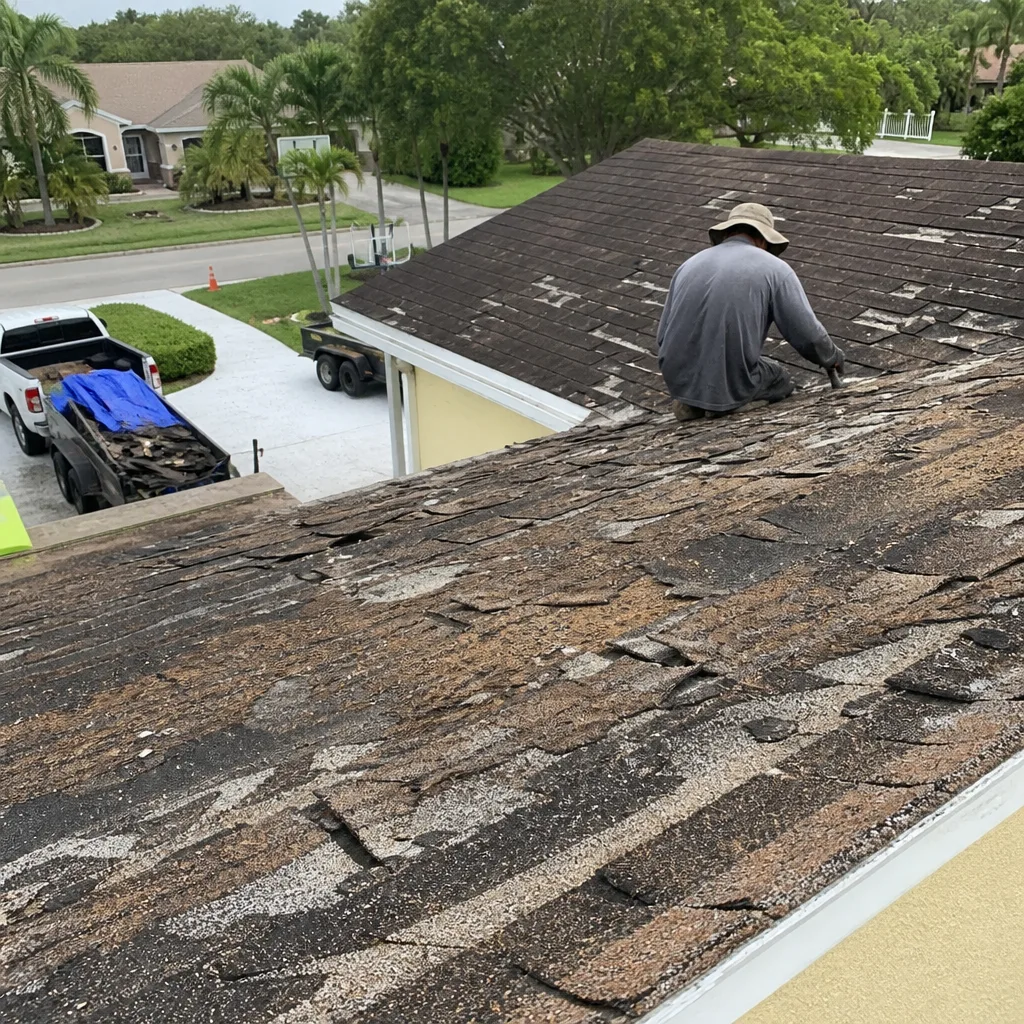 Before
 After
After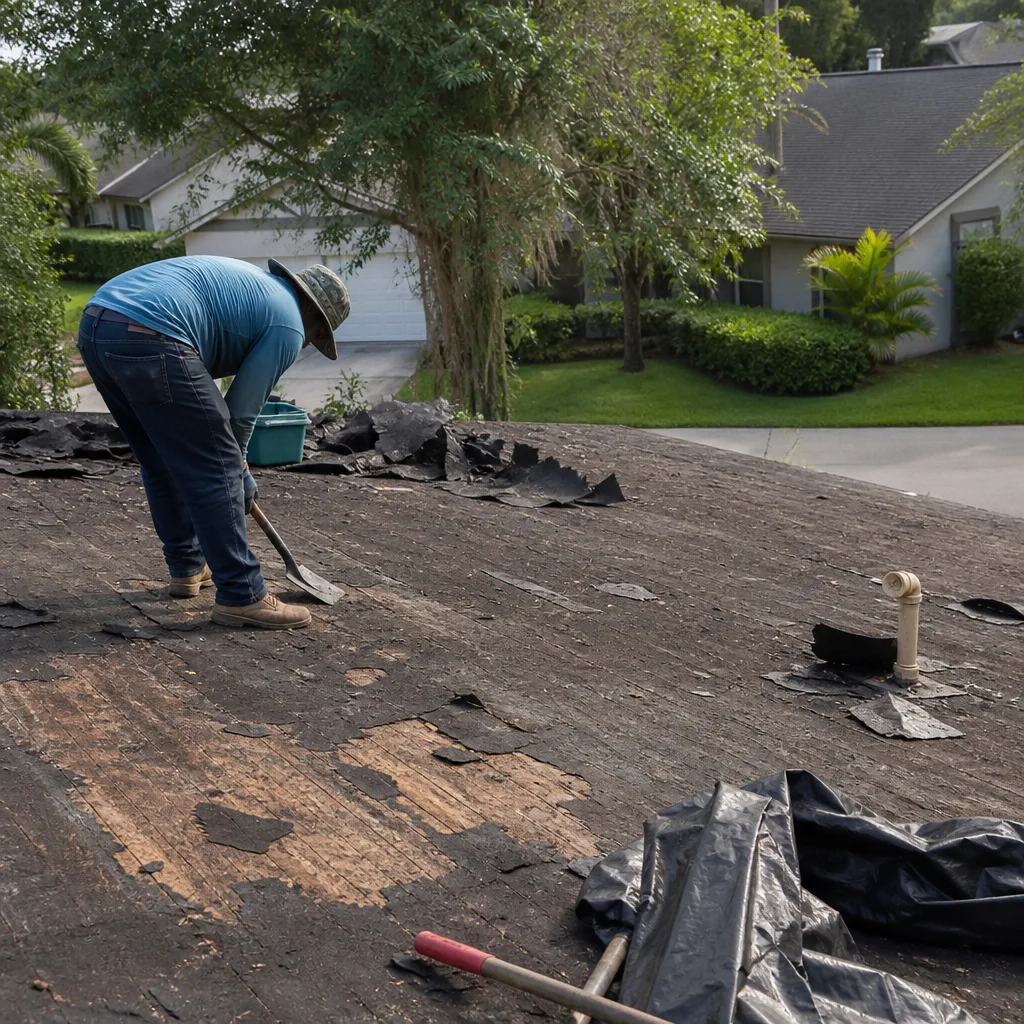 Before
 After
After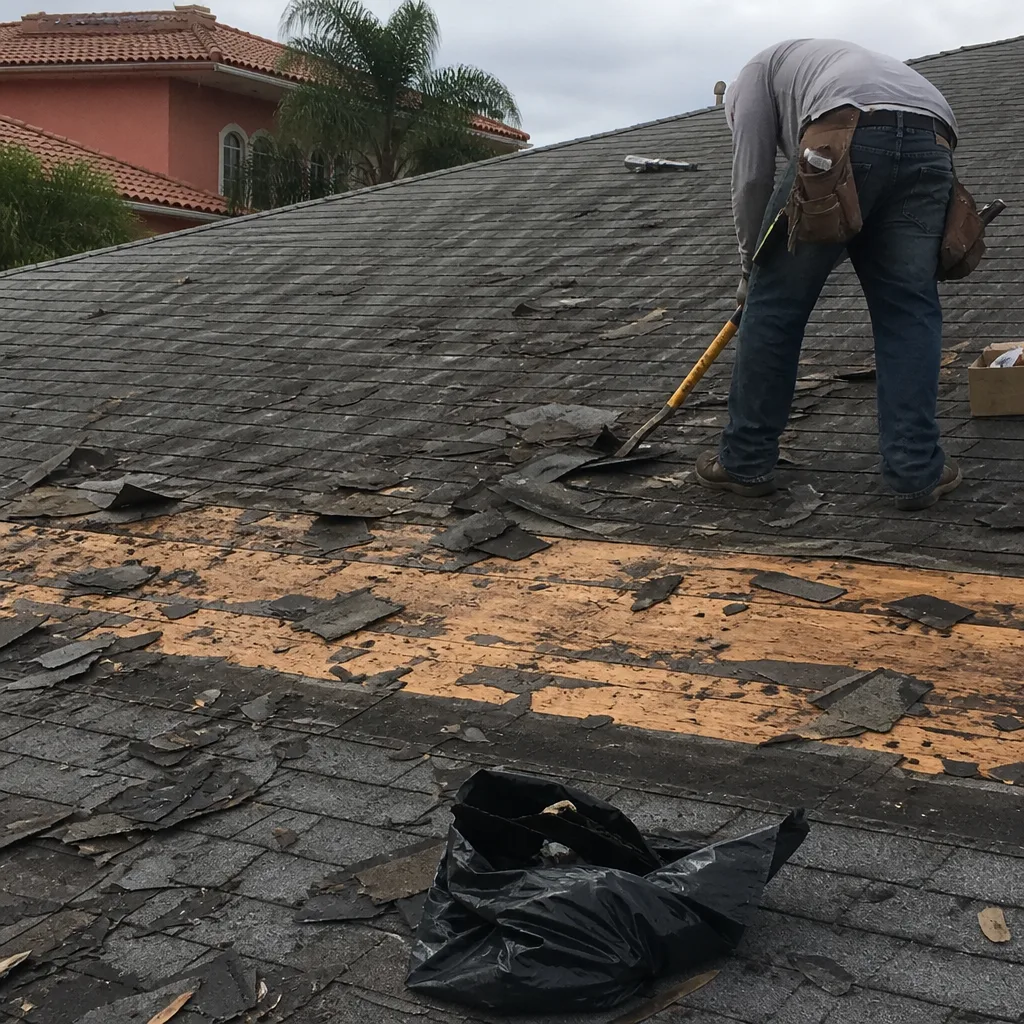 Before
 After
After