
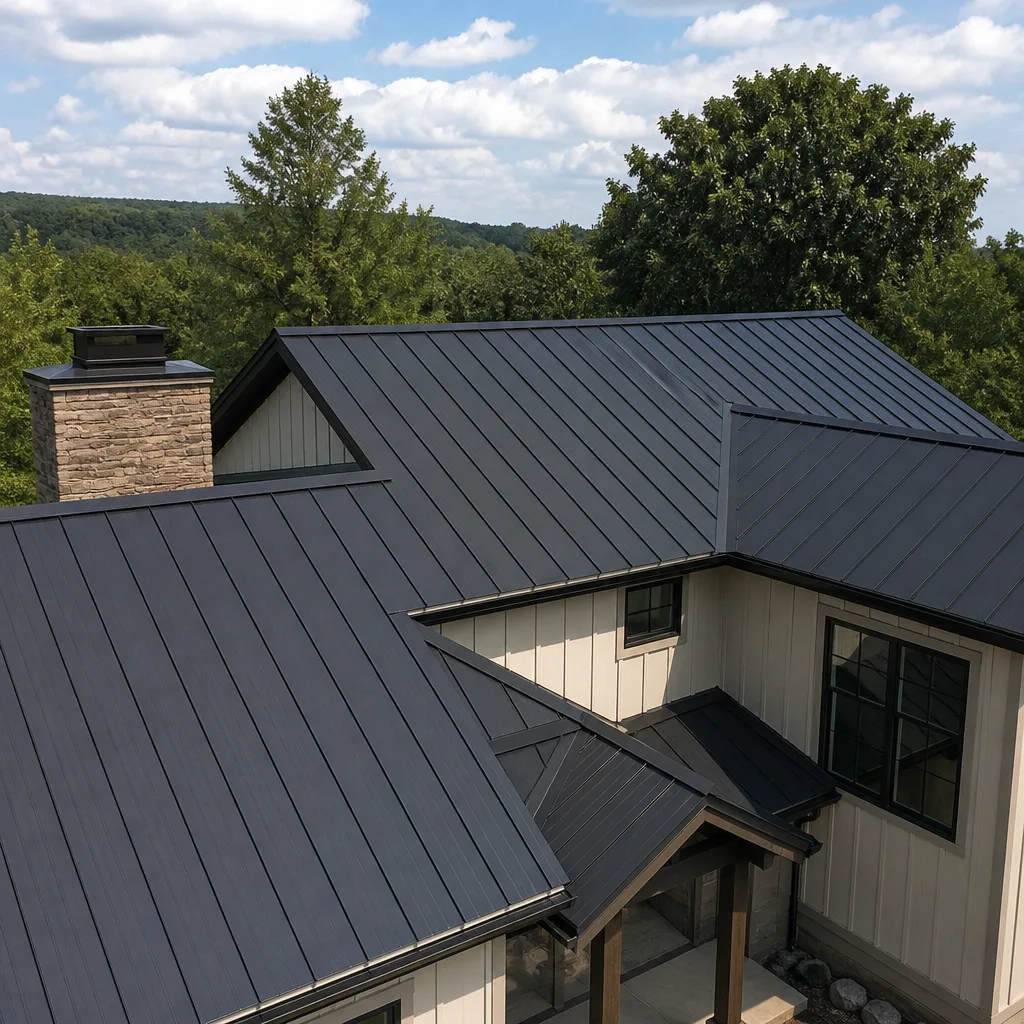
 Metal roofing
 Architectural shingles
 Tile roofing
 GAF
GAF Owens Corning
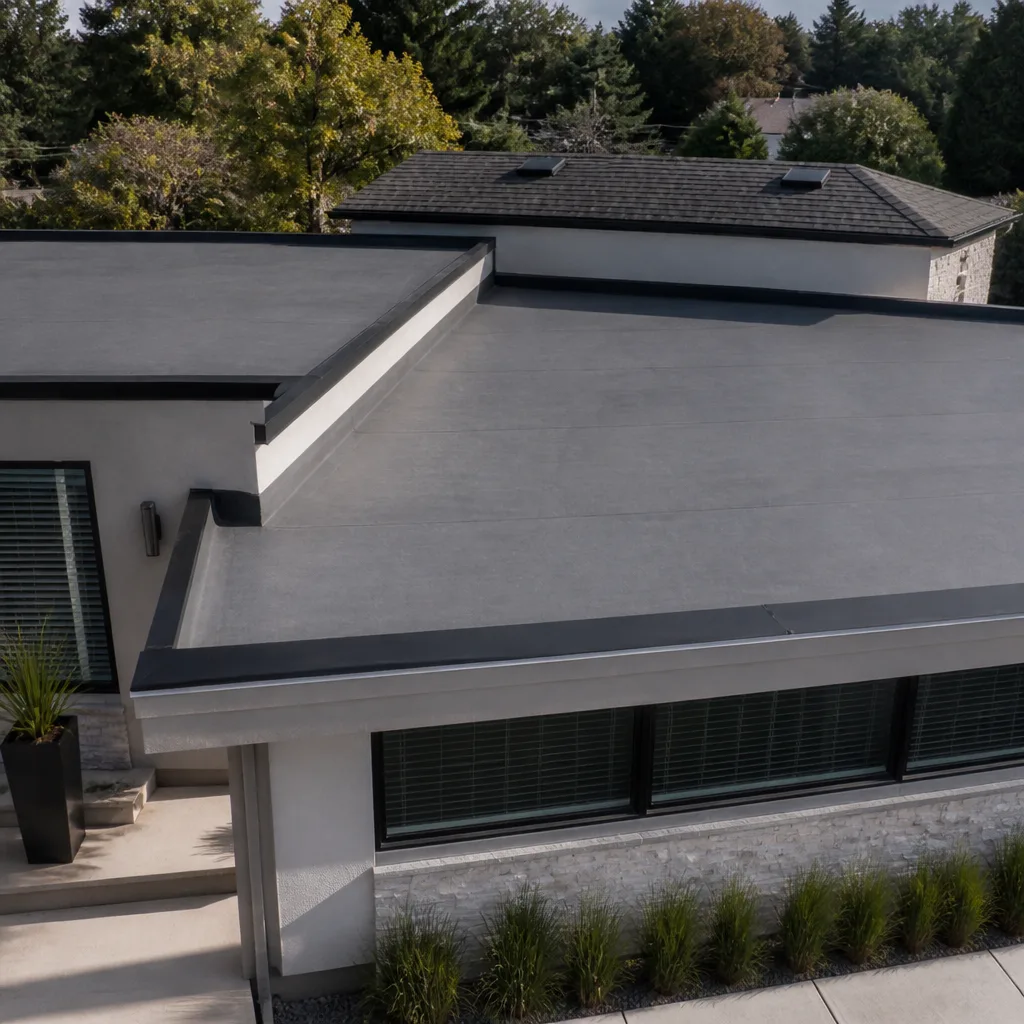 Flat & low-slope
Free roof inspection with deck photos before we talk money - GAF and Owens Corning certified installation
IKO Flashing Replacement: The Miami Owner’s Guide
IKO flashing replacement in Miami typically costs $380 – $740 installed for a single penetration point, like a chimney, skylight, or vent pipe, and repairs on common leaks can often be completed in one visit. Most homeowners discover failed IKO flashing the hard way: a water stain on the ceiling after a hard South Florida downpour, or granules collecting in the gutter below a wall intersection. Flashing is the metal or synthetic material that bridges the gap where your IKO shingles meet a vertical surface, and when it fails, water gets behind the shingles fast.
We’re Mercer Roofing Co Miami, and we stock IKO-compatible flashing on our trucks. Grant Whitlock has walked enough Miami roofs to know that flashing fails long before shingles do, especially after a few hurricane seasons. We’re an independent roofing contractor, not a division of IKO, but we install and repair IKO shingle systems regularly and match flashing to IKO’s Northeast, Cambridge, and Dynasty lines without guesswork. A roof shouldn’t be something you worry about – that’s our job.
Which IKO Models This Applies To
IKO flashing replacement applies to any roof where IKO shingles meet a vertical plane: chimneys, skylights, vent stacks, dormer walls, sidewalls, and pipe collars. The flashing piece itself isn’t always IKO-branded. IKO’s warranty documents reference standard step flashing, counter flashing, and pipe boots, and the compatibility question is about dimension and material, not the IKO logo. IKO’s Cambridge, Dynasty, Nordic, and Marathon lines install over standard 4-inch and 5-inch step flashing, while the thicker Dynasty line often pairs with wider 5-inch step flashing for the added shingle height.
Here’s the compatibility gotcha most owners hit: Miami’s older roofs, especially in Coral Gables and Shenandoah, often have 4-inch step flashing paired with modern architectural shingles that really call for 5-inch coverage. If your flashing was sized for three-tab shingles and you later had architectural IKO shingles installed, the step flashing may not extend high enough up the wall. A roof that looks fine from the curb can have flashing that’s short by a half-inch, and that half-inch is where water gets in during a wind-driven rain. We measure every flashing point before we write a price, because guessing here costs money.
On the OEM versus aftermarket question, there’s no meaningful difference for sheet-metal step flashing. IKO doesn’t manufacture copper or aluminum flashing; they specify it. What matters is the material: in Miami, we recommend aluminum or galvanized steel for most homes, and we avoid mixing metals that cause galvanic corrosion. For coastal homes within a mile of Biscayne Bay, we won’t install anything but a corrosion-rated material, because salt air eats standard flashing in under a decade.
Styles & brands we work with
Signs Your IKO Flashing Replacement Is Failing
- Ceiling stains near a wall or chimney. Water that enters at a flashing point travels along the underside of the roof deck before dropping onto the ceiling. The stain often appears several feet from the actual leak, which is why finding a flashing leak without a hose test can mislead even experienced roofers.
- Granules in the gutter below a sidewall. When flashing fails, water runs under the shingle edge and washes mineral granules off the mat. If your gutters are collecting dark granules below a specific wall line, that’s not normal aging – it’s active water movement.
- Lifted or curled shingle edges at a wall seam. Flashing that’s come loose lets the first shingle tab lift in the wind. You’ll see it from the ground if you look: a shingle that should sit flat and appears visibly raised along a chimney or wall means the step flashing underneath has shifted.
- Rust streaks or white corrosion on exposed metal. Miami’s humidity and salt air corrode galvanized flashing faster than inland homeowners would expect. Rust on a pipe boot or counter flashing is a countdown, not a cosmetic issue.
- Water marks on an interior wall, not the ceiling. Flashing failures at dormer walls and second-story sidewalls often show up as paint bubbling or water staining directly below the roofline on the interior wall. By the time you see it, the drywall has been wet more than once.
If any of these match what you’re seeing, call (850) 753-2996. We’ll find the exact penetration point before we quote a dollar figure.
See the difference
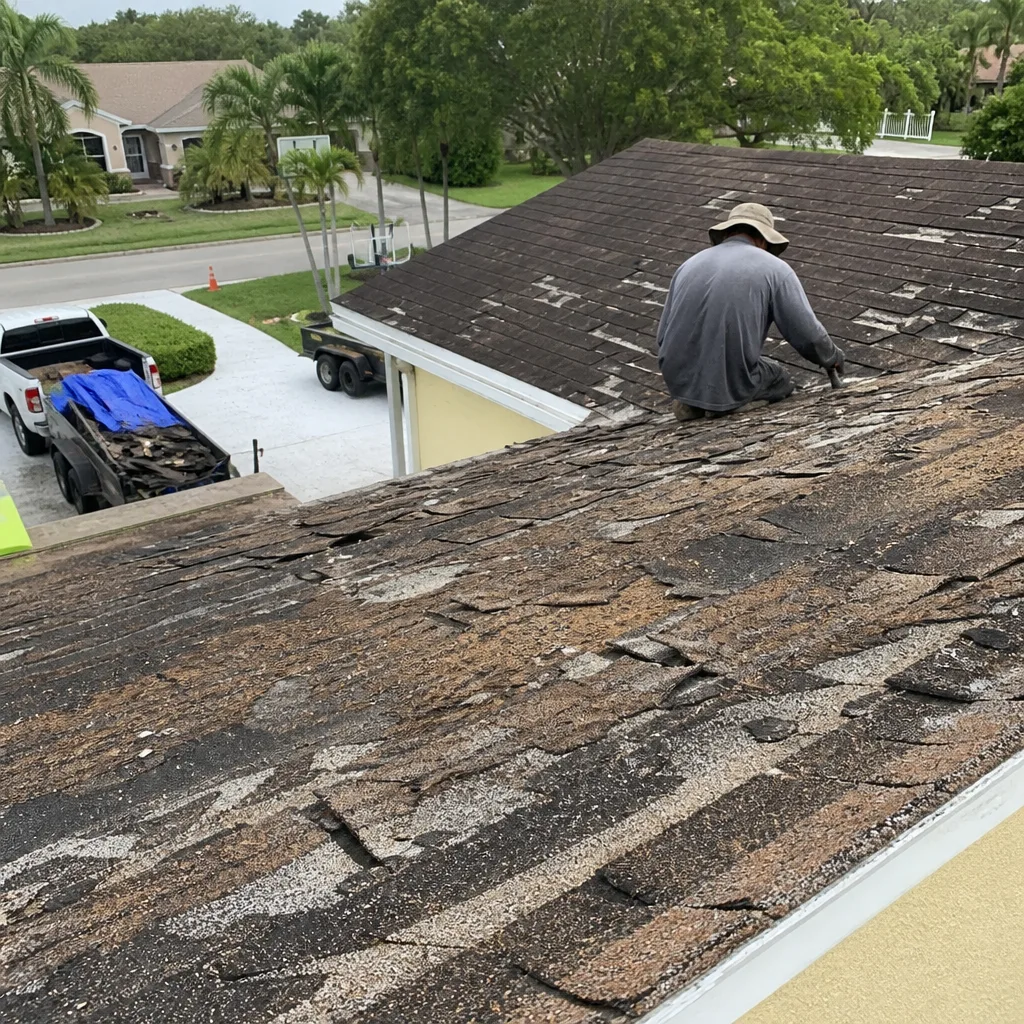 Before
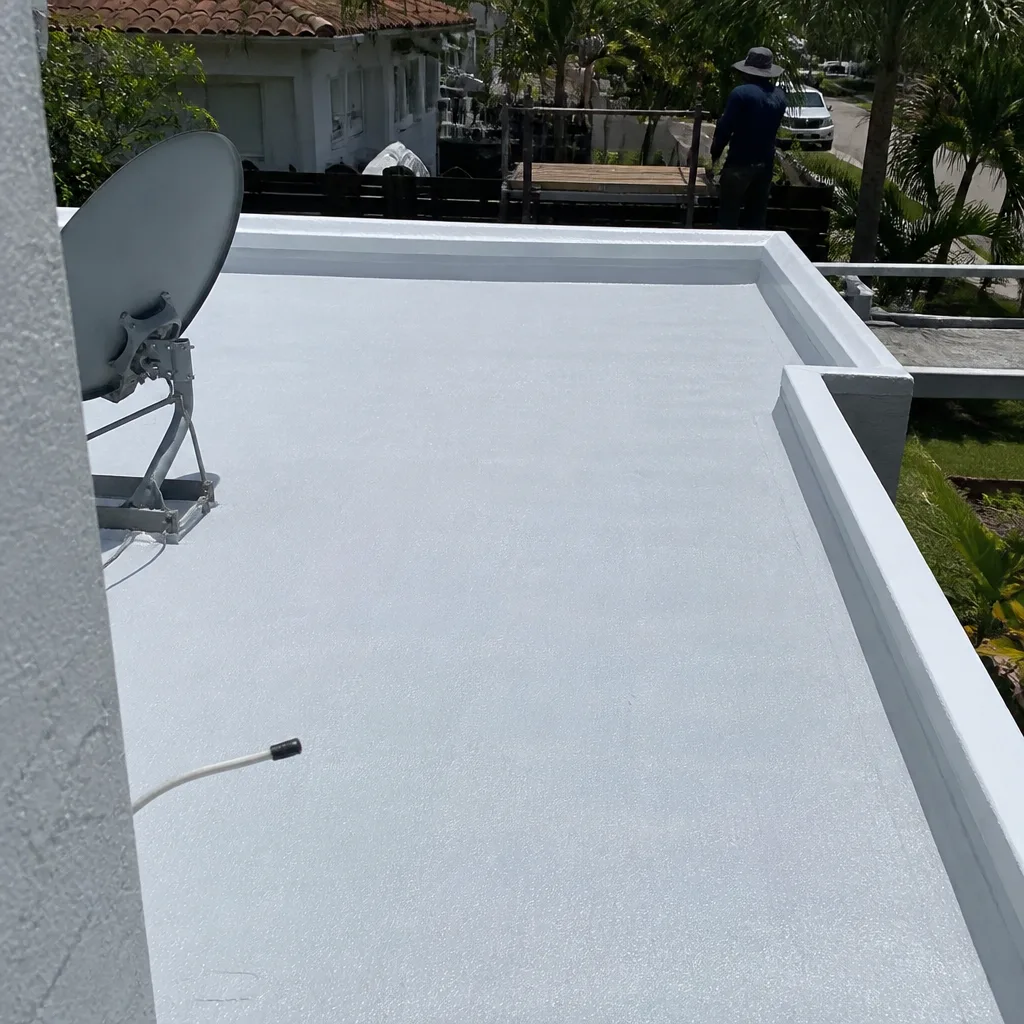 After
After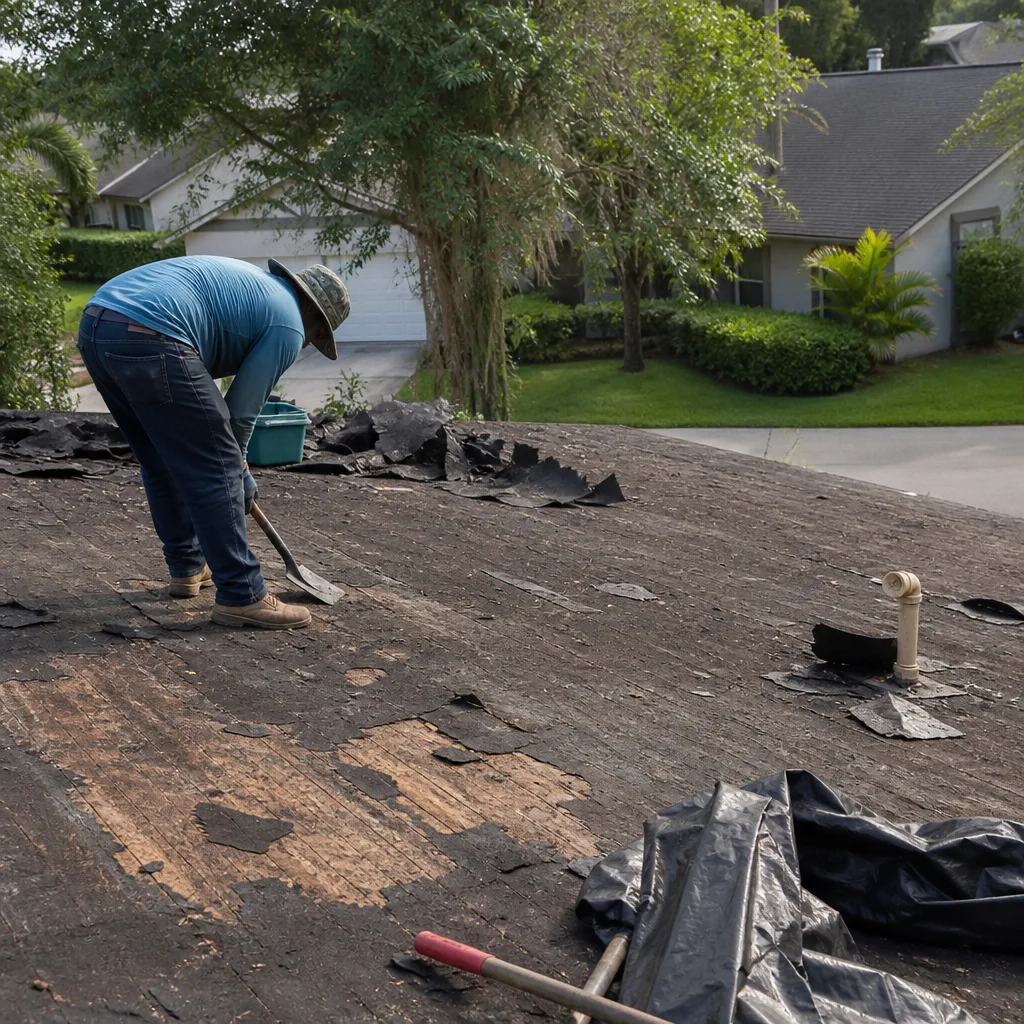 Before
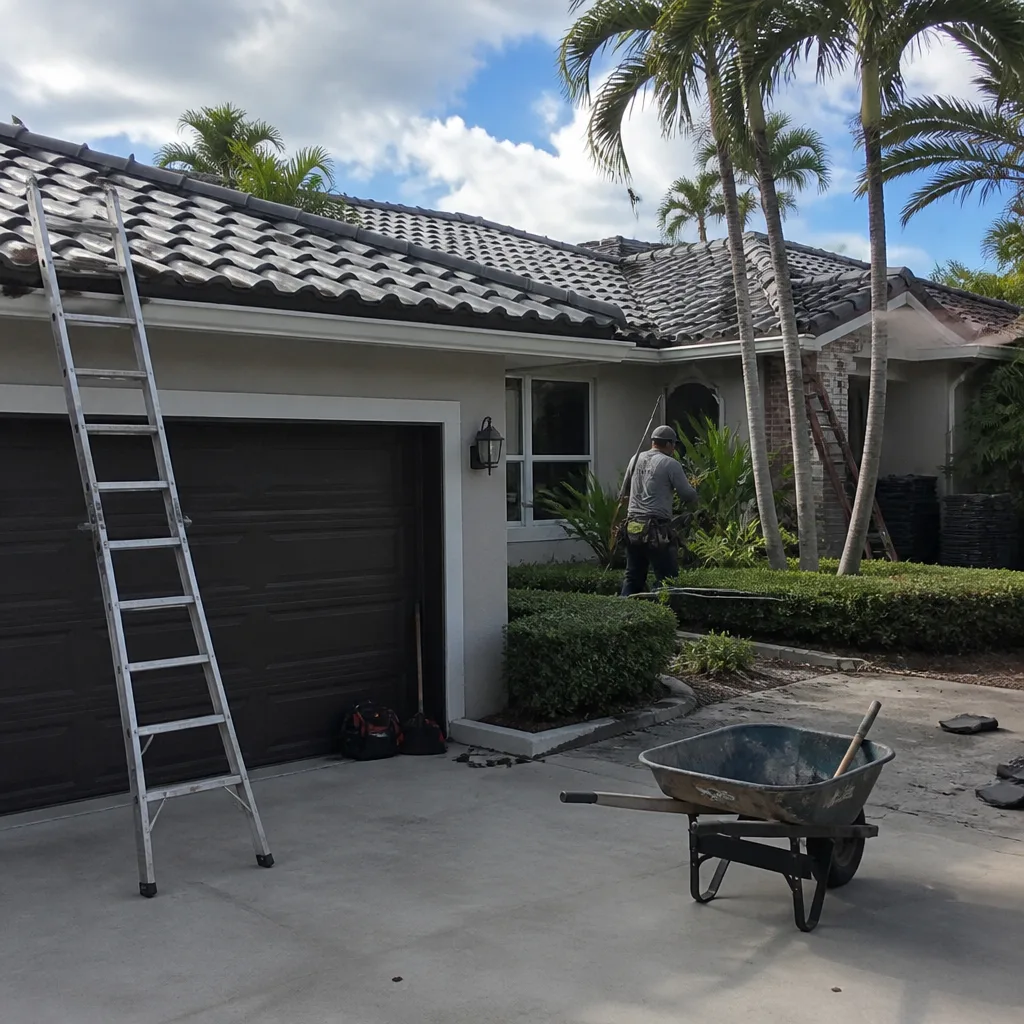 After
After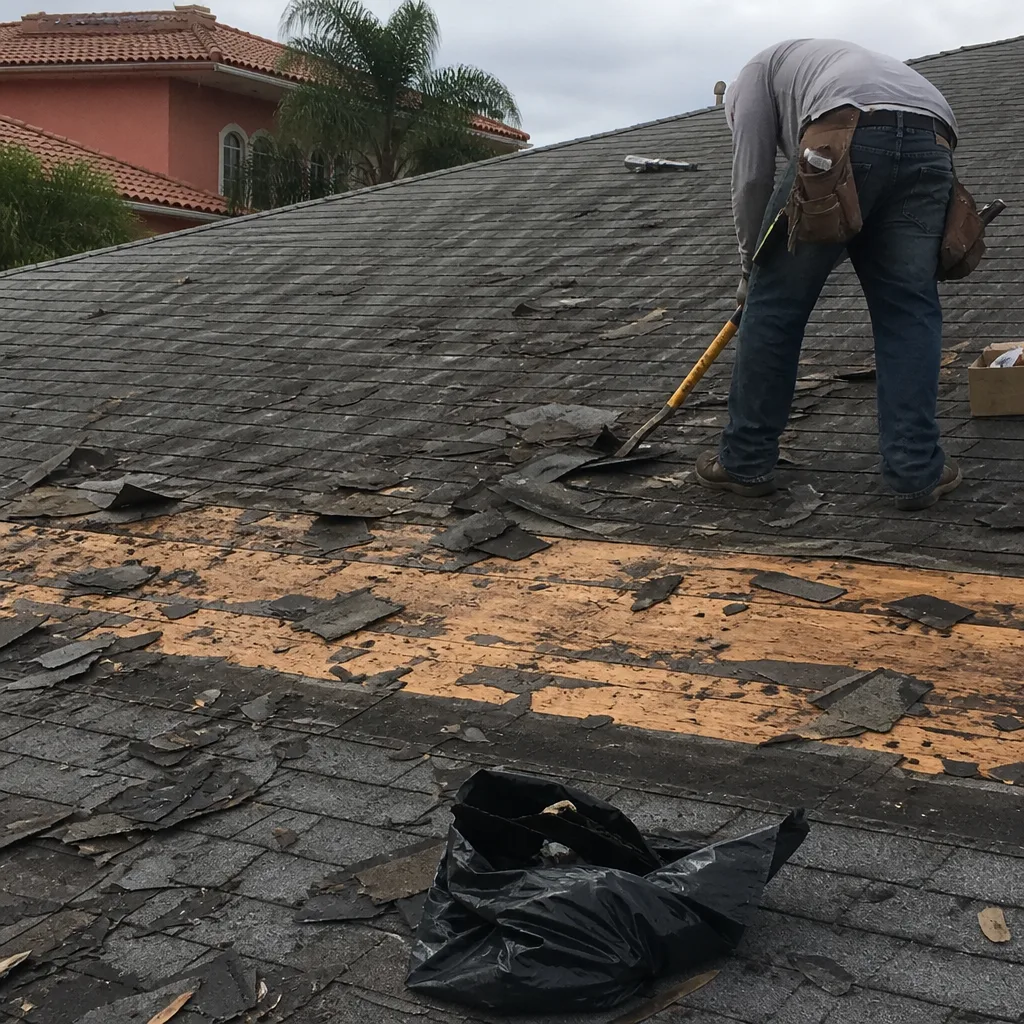 Before
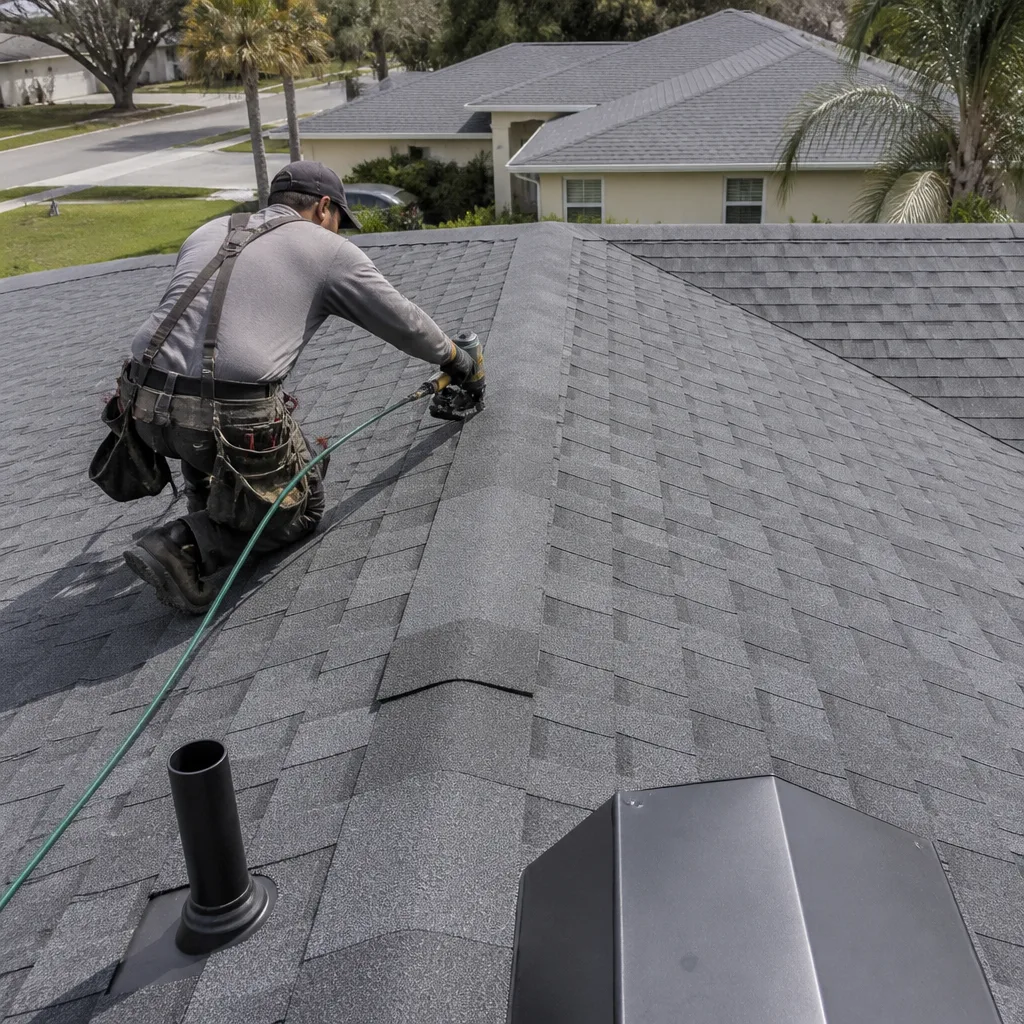 After
AfterReplacement Cost & What’s Included
In Miami, you can expect to pay $380 – $740 for a single flashing replacement point, including materials and labor. A simple pipe boot replacement runs on the lower end of that range. A chimney or skylight with step flashing and counter flashing that both need replacing runs higher, especially if the masonry needs re-sealing at the same time. Multiple flashing points on one roof add up, but the per-point price often drops when we’re already on the ladder.
| Flashing Type | Typical Installed Price in Miami |
|---|---|
| Pipe boot / vent collar replacement | $380 – $520 |
| Step flashing along a sidewall (per 10 linear ft) | $420 – $640 |
| Chimney step + counter flashing | $590 – $740 |
| Skylight flashing replacement | $510 – $690 |
Every estimate includes the flashing material, sealant, fasteners, and the labor to remove the old flashing, install the new piece, and re-seat the surrounding shingles. You get a written price before we start, and if the number changes once we open the area up, we stop and call you first. No change orders without a conversation. Our 365-Day Done Right Promise means if the repair leaks within a year, we come back and fix it at no charge. That’s in writing on every invoice.
DIY or Call Us?
What you can safely check from the ground: look for lifted shingles at wall intersections, visible rust on pipe collars, and cracked sealant around penetrations. You can also look in the attic on a dry day for water staining on the roof deck. What you shouldn’t do is get on the ladder with a tube of roofing cement and start caulking. Roofing cement is a temporary patch, and on a Miami roof it turns brittle and cracks within a season or two. Worse, amateur caulking can trap water behind the flashing and accelerate the rot you can’t see.
The truth is, flashing replacement done right requires removing shingles without tearing the mat, cutting and bending metal to the exact profile of the penetration, and layering step flashing so water sheds outward, not under. That’s skilled work, and on a two-story Miami house in wet-season heat, it’s also physically demanding. We’d rather you call (850) 753-2996 and get a free look than spend a Saturday on a ladder and still have the leak next month. We’ll tell you honestly if it’s a minor repair or a full flashing replacement – and we’ll give you the number before any work starts.
FAQs
IKO flashing in Miami typically lasts 15 – 20 years for galvanized steel, 20 – 30 for aluminum, and considerably less within a mile of salt water. Miami’s combination of UV exposure, daily thermal expansion, and hurricane-season wind-driven rain shortens flashing life compared to inland Florida. If your flashing is over 15 years old and you’re seeing any of the warning signs above, it’s time for an inspection.
In most cases, no. A flat patch or a bead of sealant won’t survive a Miami wet season. If the flashing is merely lifted at one nail point and the metal is still intact, a re-nail and re-seal can work. But if the metal is corroded, torn, or the step flashing was undersized to begin with, replacement is the only fix that holds. Call (850) 753-2996 and we’ll tell you which situation you have.
A single pipe boot or vent collar replacement typically takes 45 – 90 minutes on site. A chimney or skylight flashing replacement with step and counter flashing usually runs two to four hours, depending on accessibility and how much shingle re-seating is required. Miami’s afternoon thunderstorms mean we schedule flashing work for morning hours when possible, but we’ll give you an honest window when you call.
We stock standard flashing components – pipe boots, step flashing, counter flashing, and sealants – on our trucks, and we keep inventory compatible with IKO, GAF, Owens Corning, and CertainTeed systems. For non-standard profiles or copper flashing, we source from local Miami suppliers and can usually have the part the same week. When a homeowner asks us to match IKO specifically, we make sure the flashing profile and dimensions line up with their shingle line before the work starts.
If your IKO flashing is leaking or showing its age, call Mercer Roofing Co Miami at (850) 753-2996. You’ll get a real person on the phone, a written price before any work begins, and a technician whose name and photo you’ll have before they arrive. Free estimates, straight numbers, and a written 365-day guarantee on every flashing repair we make.
Written by Grant Whitlock, Owner, Mercer Roofing Co Miami at Mercer Roofing Co Miami, serving Miami and nearby areas.