
 Owens Corning
 Architectural shingles
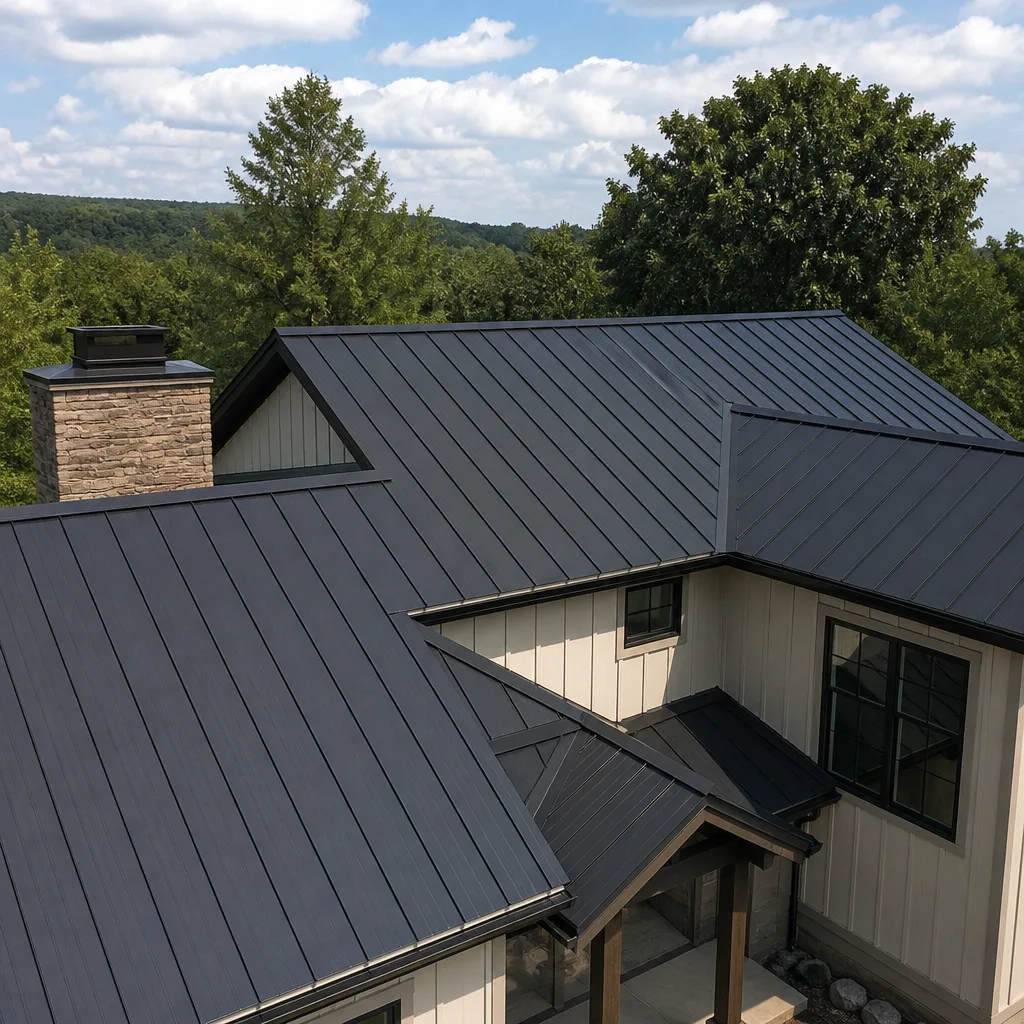 Metal roofing
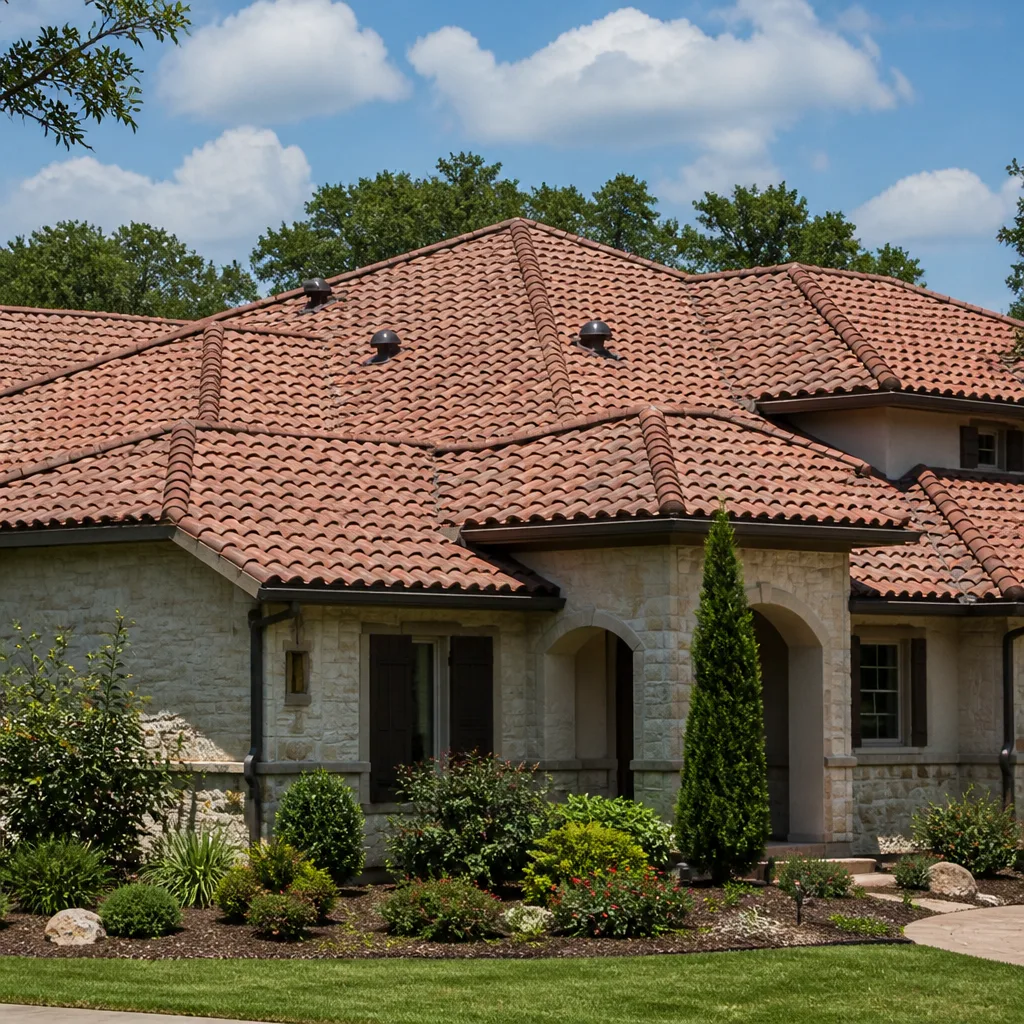 Tile roofing
 GAF
GAF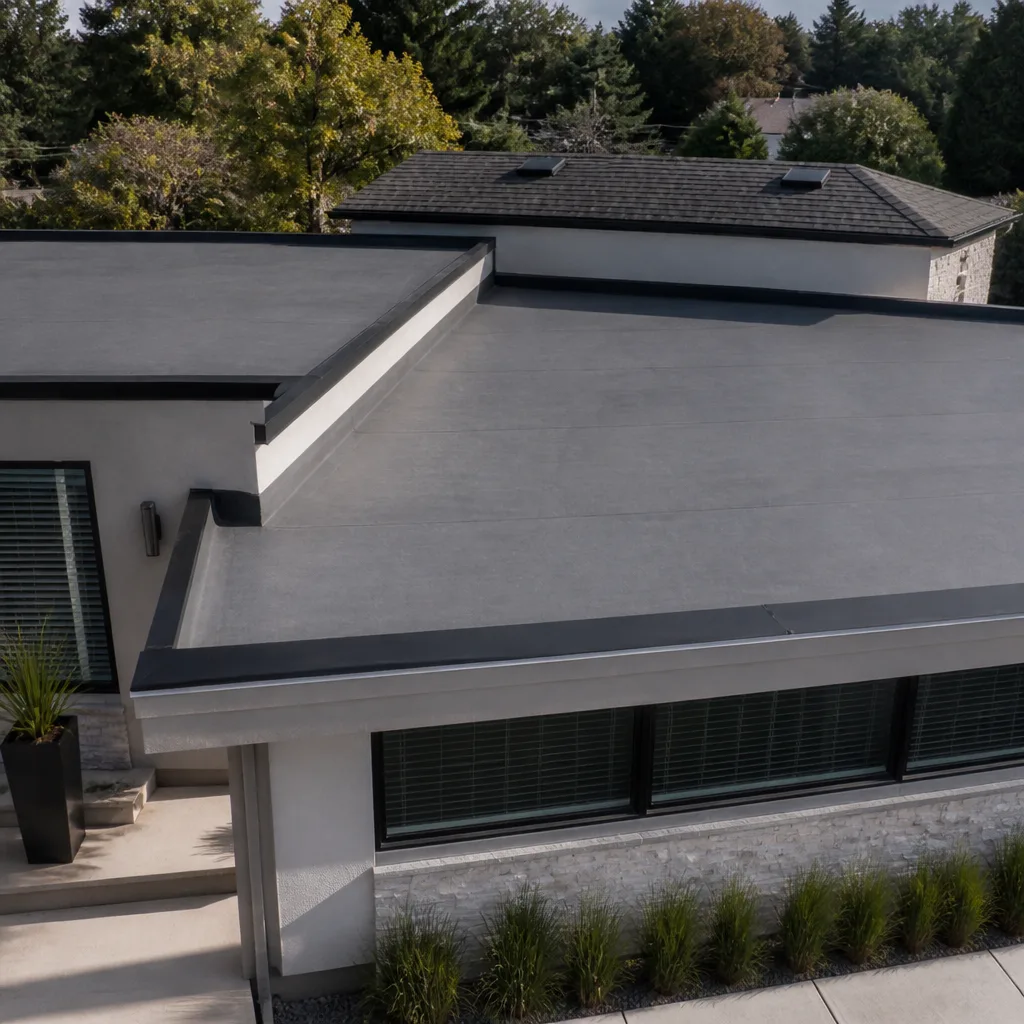 Flat & low-slope
Free roof inspection with deck photos before we talk money - GAF and Owens Corning certified installation
Owens Corning Flashing Replacement: The Miami Owner’s Guide
Replacing Owens Corning roof flashing in Miami typically runs $350 to $900 installed, depending on the flashing type, roof pitch, and how much decking or underlayment has been compromised around it. We keep Owens Corning-compatible step flashing, pipe boots, valley flashing, and wall/counter flashing on our trucks and can usually complete a standard flashing swap the same day we diagnose it. Most Miami homeowners discover a flashing failure one of two ways: a brown water stain appears on a ceiling near an exterior wall or chimney, or granules from the surrounding shingles start collecting in gutters directly below a penetration.
Flashing is the metal or synthetic material that bridges the gap where your roof meets something else: a chimney, a vent pipe, a skylight, a wall, or a valley where two roof planes meet. When it fails, water doesn’t just sit on the surface. It travels, often running several feet from the actual breach before it shows up inside your home. That’s why flashing problems get misdiagnosed so often, and why we always walk the roof surface itself rather than guessing from the stain.
Grant Whitlock has replaced enough Miami flashing to know that the heat and salt air do as much damage as the rain. Galvanized flashing that would last twenty years in a dry climate can corrode through in ten here. We factor that reality into every recommendation we make.
Which Owens Corning Models This Applies To
Owens Corning flashing components are designed to integrate with their shingle systems, but the key compatibility question isn’t the shingle model. It’s the roof penetration type and the flashing’s material spec. Here’s what matters:
- Duration and Oakridge shingle lines: These are the two Owens Corning series we see most across Miami residential roofs. Both use standard 4-inch step flashing increments, but Duration’s thicker profile means the flashing needs to sit slightly higher against the shingle edge to maintain the water channel. If the original installer used undersized flashing, it tends to fail at the overlap seam first.
- VentSure and DirectDeck components: Owens Corning’s branded roof accessories include specific pipe boot collars sized for their ventilation stack diameters. The rubber collar on a VentSure boot degrades in Miami’s UV and heat within 6 to 10 years, even when the metal base is fine.
- Identifying your part: Look for the Owens Corning stamp on the exposed metal face, or check your original roofing contract for the accessory line item. If you don’t have documentation, we can identify the flashing type by measurement: step flashing is typically 4, 6, or 8 inches tall with a 2-inch flange, while counter flashing runs 10 to 14 inches tall. These measurements matter because a mismatched size won’t overlap correctly, and that’s where water finds a path.
On the OEM-versus-aftermarket question, our honest take is that Owens Corning-branded flashing is well made but not always necessary for a correct repair. Quality aftermarket aluminum or galvanized steel flashing, cut and formed to match the existing profile, performs as well or better when installed correctly. The real difference isn’t the stamp on the metal. It’s whether the installer properly integrates the flashing with the underlayment and shingle courses, which is where most Miami flashing repairs go wrong in the first place.
We also work with GAF and CertainTeed roofing systems, so if your flashing challenge sits where an Owens Corning roof meets another brand’s skylight or chimney flashing, we can sort out the compatibility on site rather than ordering the wrong part twice.
Styles & brands we work with
Signs Your Owens Corning Flashing Replacement Is Failing
- Water staining on ceilings near walls, chimneys, or skylights. Flashing failures let water in at the transition point, but the stain often appears several feet away because water travels along rafters or joists before dripping. The stain’s location tells you where the water ended up, not where it got in.
- Rust streaks or corrosion visible on exposed flashing metal. Miami’s salt air accelerates corrosion on galvanized flashing, and once rust blooms through the coating, the metal thins and develops pinholes. Those pinholes are entry points for water even when the flashing looks intact from the ground.
- Lifting or curling shingles directly adjacent to flashing. When flashing shifts or the sealant between shingle and metal breaks down, the shingle edges near it lose their bond and start lifting. Wind-driven rain then blows directly under the shingle and behind the flashing.
- Granule loss concentrated in gutters below roof penetrations. If your gutters have heavy granule buildup below a chimney or pipe boot but not elsewhere, the shingles around that flashing are wearing faster than the rest of the roof. That localized wear usually points to moisture getting trapped around the flashing and breaking down the shingle’s protective surface.
- Visible gaps or sealant cracks around pipe boots and vent collars. The rubber or synthetic collar on a pipe boot shrinks and cracks under UV exposure. Once that collar splits, water runs straight down the pipe and into the roof deck. This is one of the most common and most easily fixed flashing failures we see in Miami.
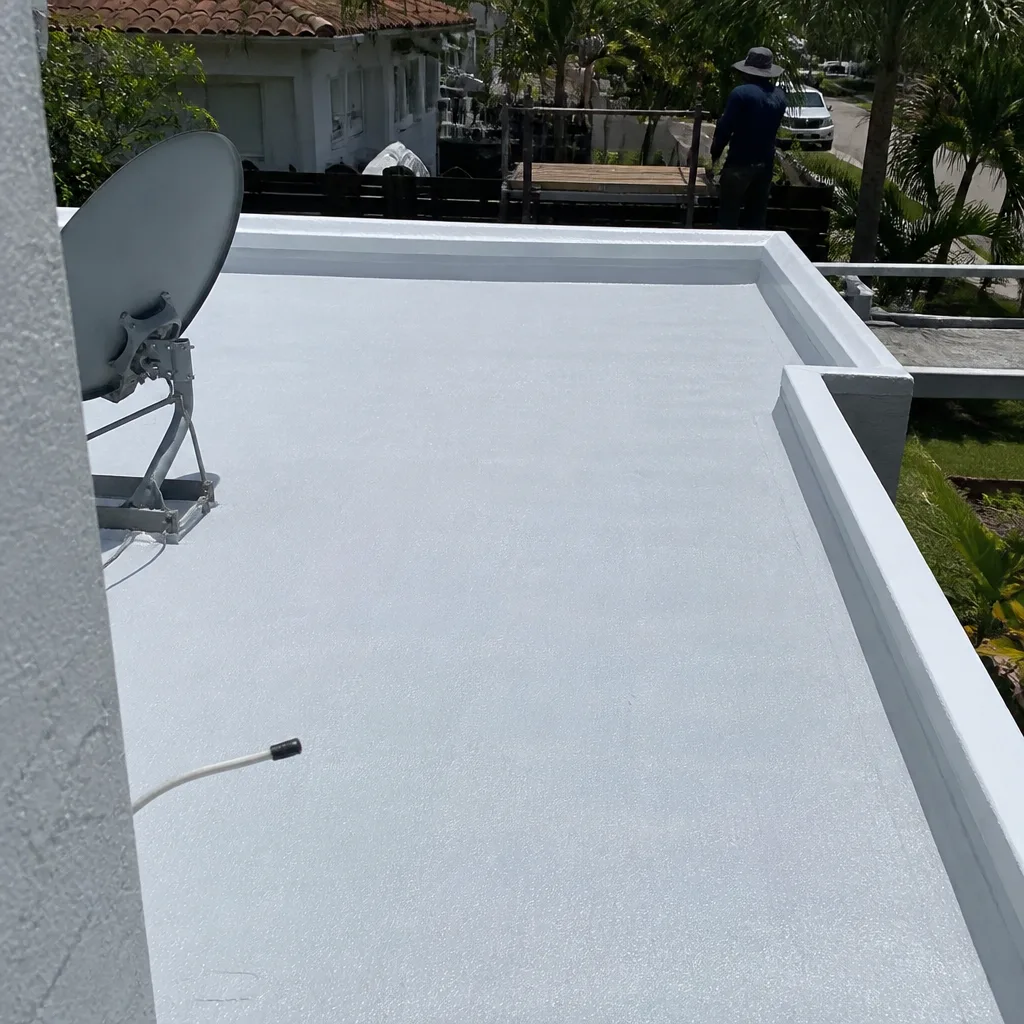
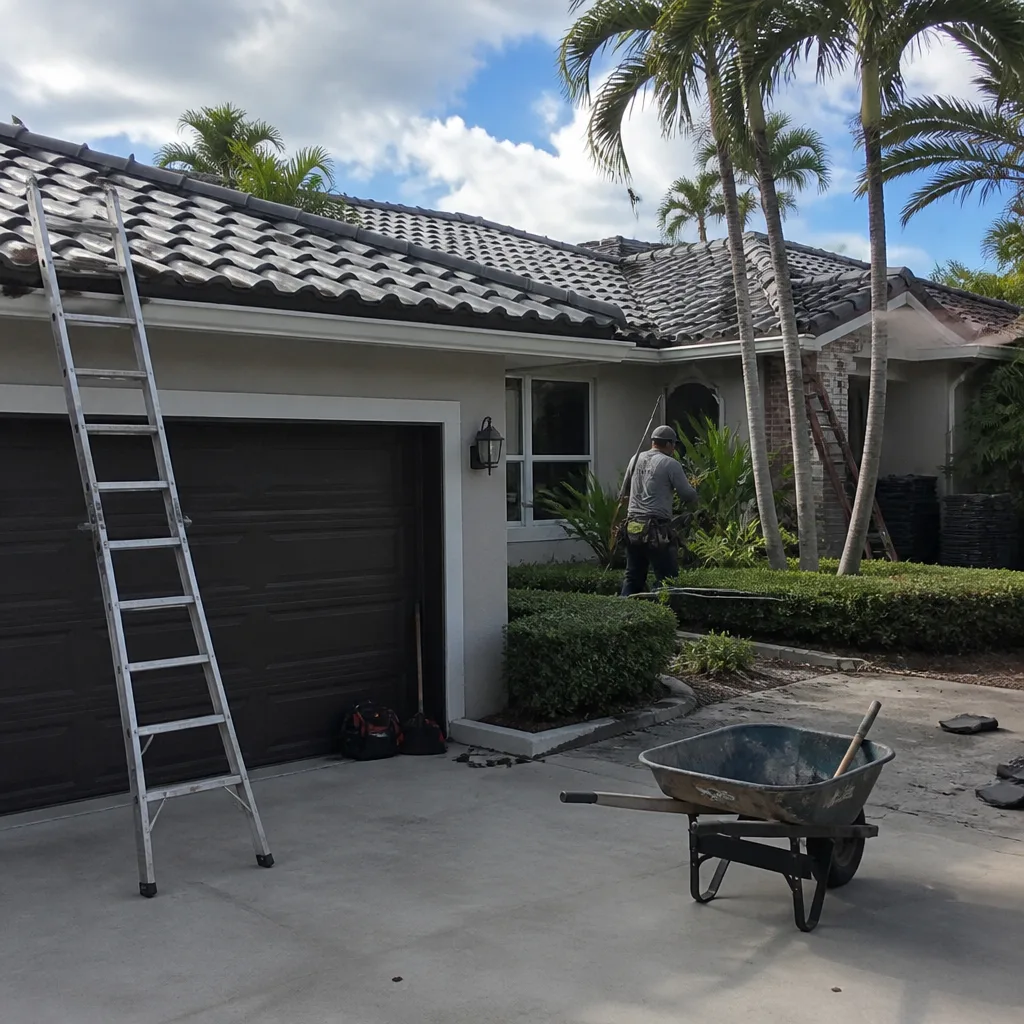
See the difference
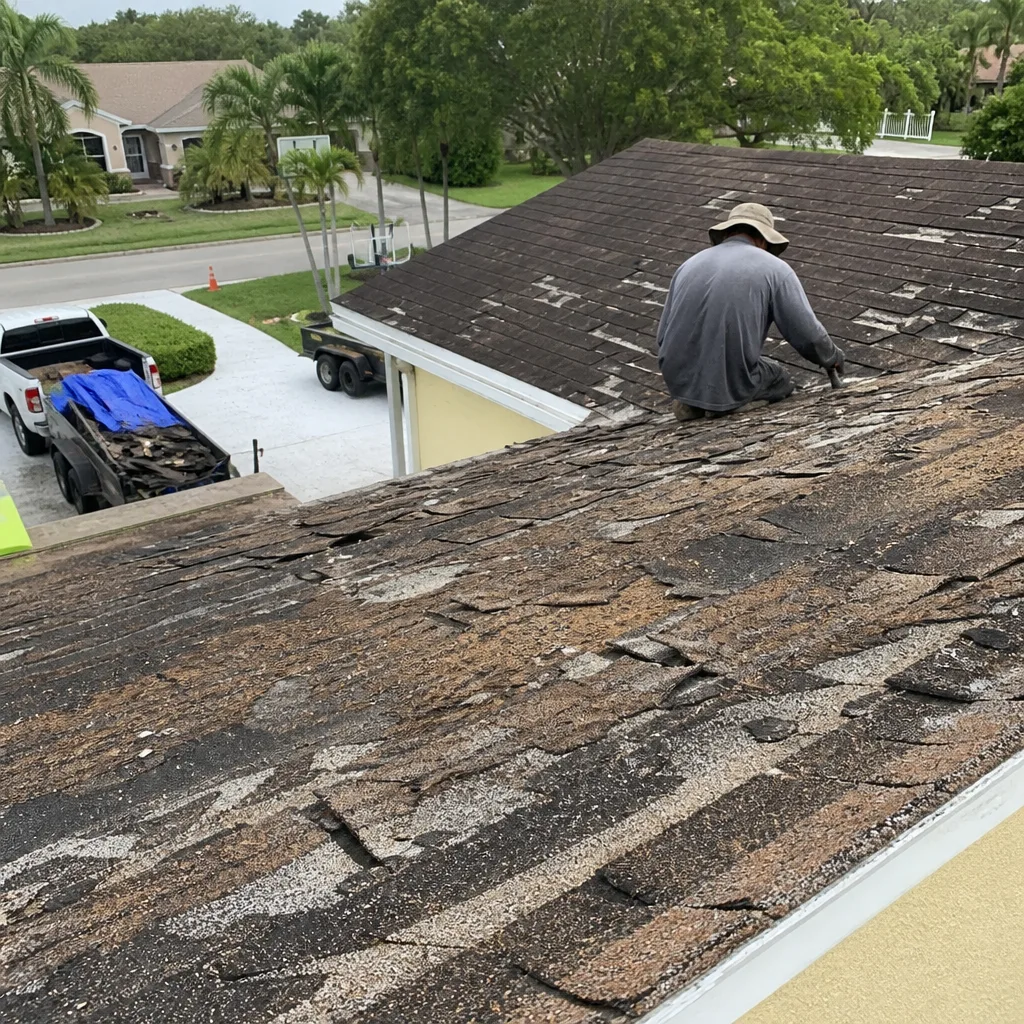 Before
 After
After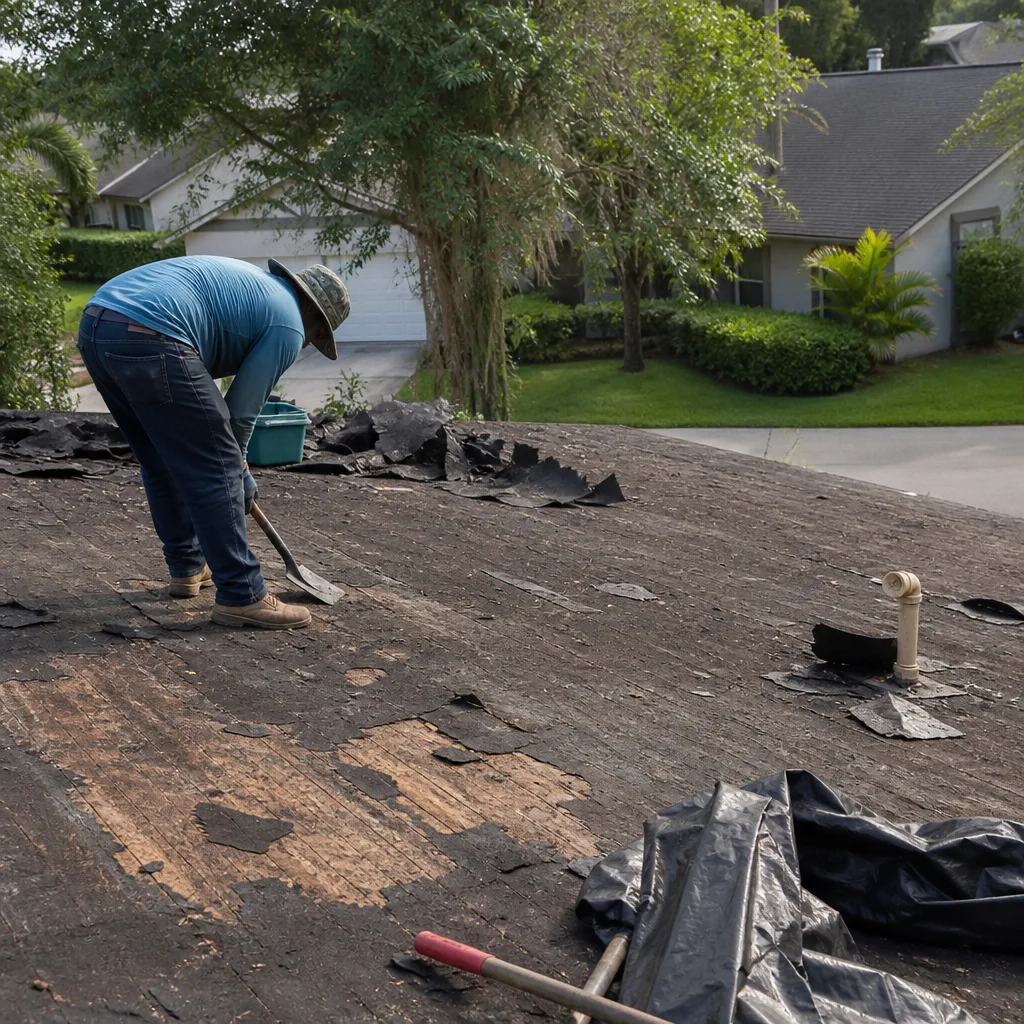 Before
 After
After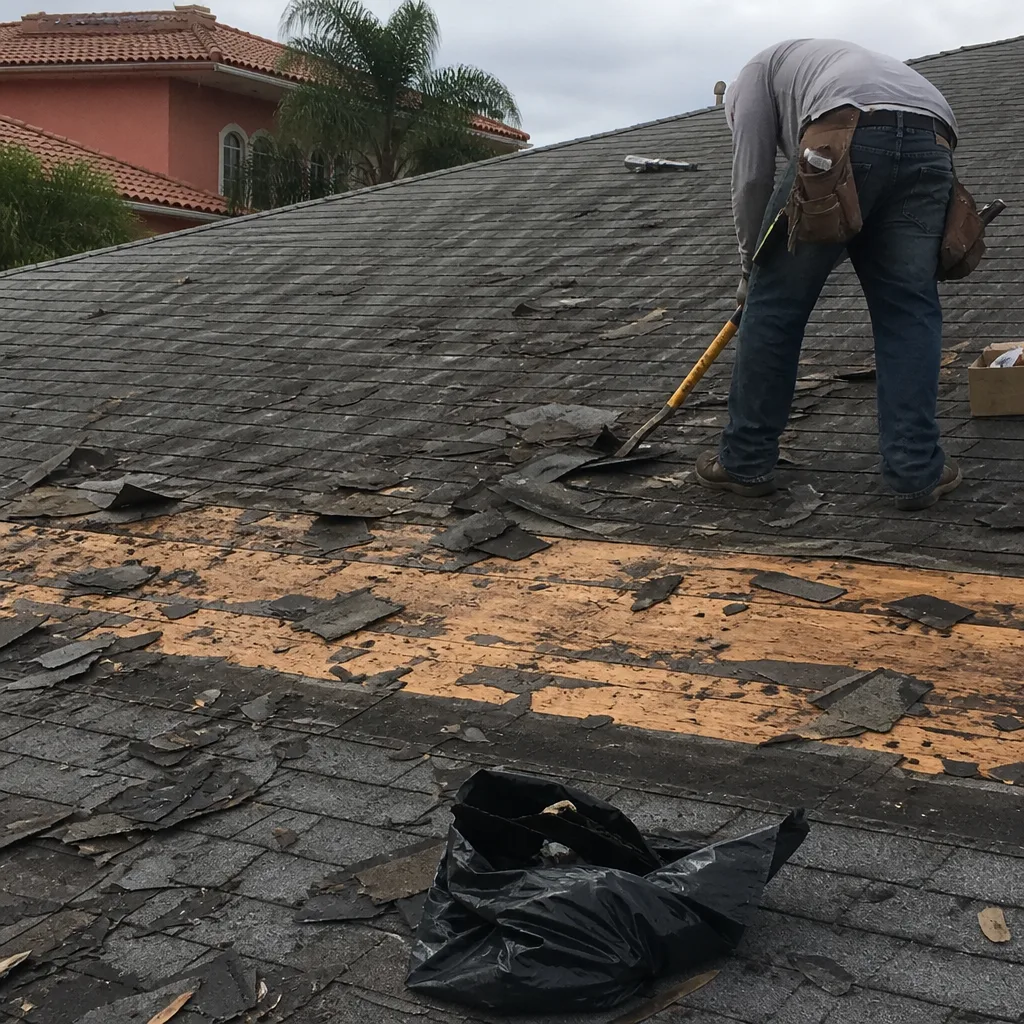 Before
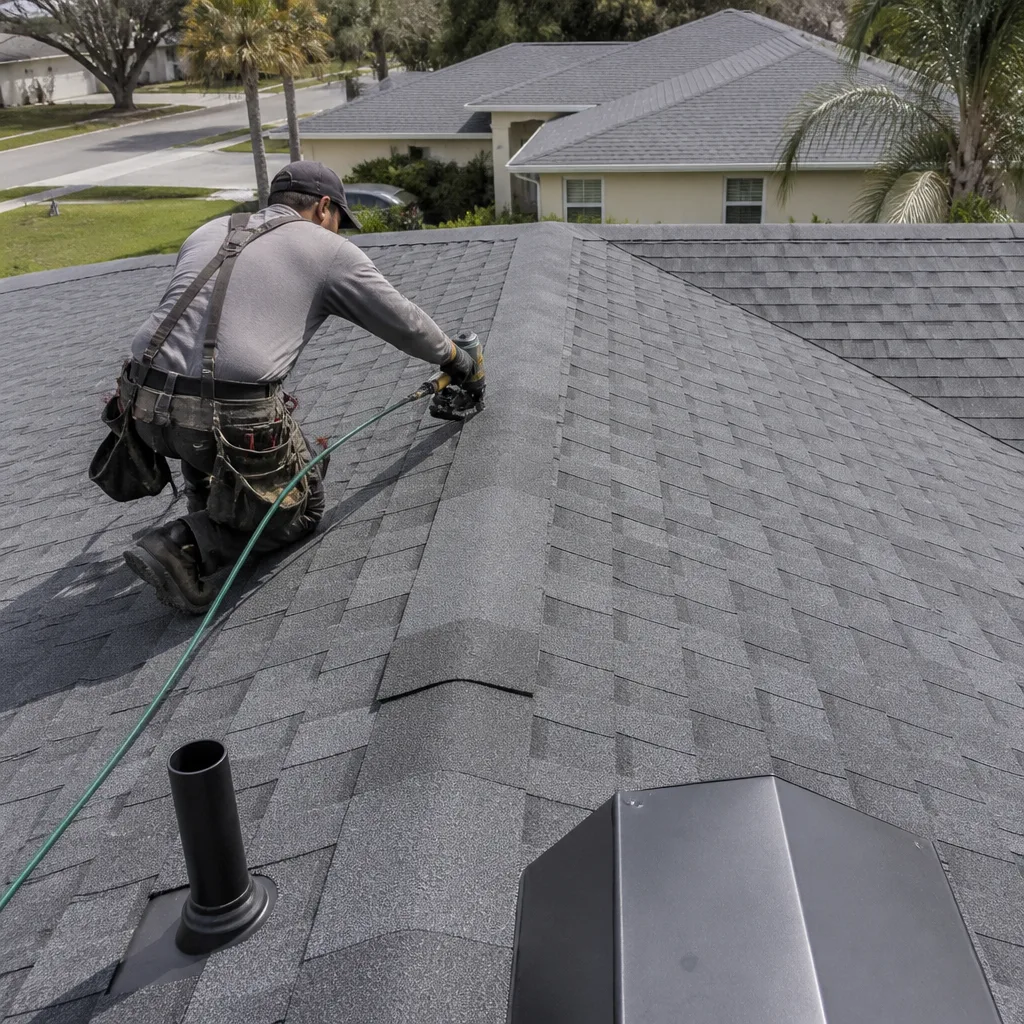 After
AfterReplacement Cost & What’s Included
In Miami, expect to pay $350 to $900 for a complete Owens Corning flashing replacement, installed. Here’s the breakdown:
- Pipe boot or vent flashing replacement: $350 to $550. Includes removing the old boot, installing the new flashing collar, resealing, and replacing any damaged shingles around the penetration.
- Step flashing replacement along a wall or chimney: $500 to $900. Cost depends on the linear feet of flashing, whether the counter flashing also needs replacement, and the degree of shingle removal required to access the flashing courses.
- Valley flashing replacement: $600 to $1,200. Valley work requires lifting shingles on both roof planes and often replacing underlayment in the valley channel, which adds material and labor time.
Every Mercer Roofing Co Miami price includes the written quote before we start, the flashing and sealant materials, disposal of the old metal, and the 365-Day Done Right Promise. If the repair isn’t right within a year, we come back and make it right, no charge. That guarantee is written on every invoice, not just mentioned in conversation.
What drives the range: roof pitch (steeper means more setup time), accessibility (a chimney on a second story costs more than a ground-level wall flashing), and the condition of the decking underneath. If we open the area around the flashing and find rotted decking, we’ll show you before we replace anything and give you the added cost in writing. No surprises on the invoice.
DIY or Call Us?
There are a couple of things you can safely check from the ground: visible rust on exposed flashing, lifted shingles near a chimney, or cracked sealant around a pipe boot collar. Those observations help you describe the problem when you call us, and they give us a head start on diagnosis.
What we don’t recommend is going up on the roof to replace flashing yourself. Miami roofs are often steep, and flashing work requires removing shingles, cutting and bending metal, and properly applying sealant where two surfaces meet. Done wrong, a flashing repair leaks worse than the original failure, and you’ve now spent money on materials plus the eventual correction. If the roof is wet, the risk of a slip is real, and the damage from a fall is far more expensive than any flashing job.
If you’re not sure whether the flashing is actually the problem, call (850) 753-2996 and we’ll look at it. The diagnosis is part of the free estimate, and you’ll get a written number before any work starts.
FAQs
Expect 10 to 15 years from galvanized steel flashing in Miami’s climate, and 6 to 10 years from the rubber or synthetic collars on pipe boots. The heat, UV exposure, and salt air shorten the lifespan compared to drier, cooler regions. If your flashing is approaching that age and you’re seeing any of the warning signs above, it’s time to budget for replacement. Call (850) 753-2996 and we’ll give you an honest assessment during the free estimate.
Sometimes a small sealant crack can be resealed as a temporary fix, but that repair usually buys you months, not years. Once flashing metal is corroded or the rubber collar is split, patching doesn’t address the underlying material failure. We’ll tell you if a repair makes sense or if replacement is the only thing that will actually keep water out. Either way, you’ll know the cost before we do anything.
Most standard flashing replacements take 2 to 4 hours once we’re on the roof. A pipe boot swap is typically under two hours. Chimney or valley flashing can run longer if we need to remove and reinstall shingles across a larger area. We’ll give you a time window when we schedule the work, and the written quote includes that timeline.
We keep common Owens Corning-compatible flashing sizes and profiles on our trucks, including 4-inch and 6-inch step flashing, standard pipe boot collars, and valley flashing. If your project requires a specialty profile, we can source it locally within a day or two in most cases. Call (850) 753-2996 with a photo or description of your flashing, and we’ll tell you what we have available before we even come out.
If your Owens Corning flashing is failing, don’t wait for the next Miami downpour to confirm what you already suspect. Call (850) 753-2996 for a free estimate. You’ll get a written price before any work starts, a live person on the phone when you call, and a technician whose name and photo you’ll see before they knock on your door. A roof shouldn’t be something you worry about, that’s our job.
Written by Grant Whitlock, Owner, Mercer Roofing Co Miami at Mercer Roofing Co Miami, serving Miami and nearby areas.