
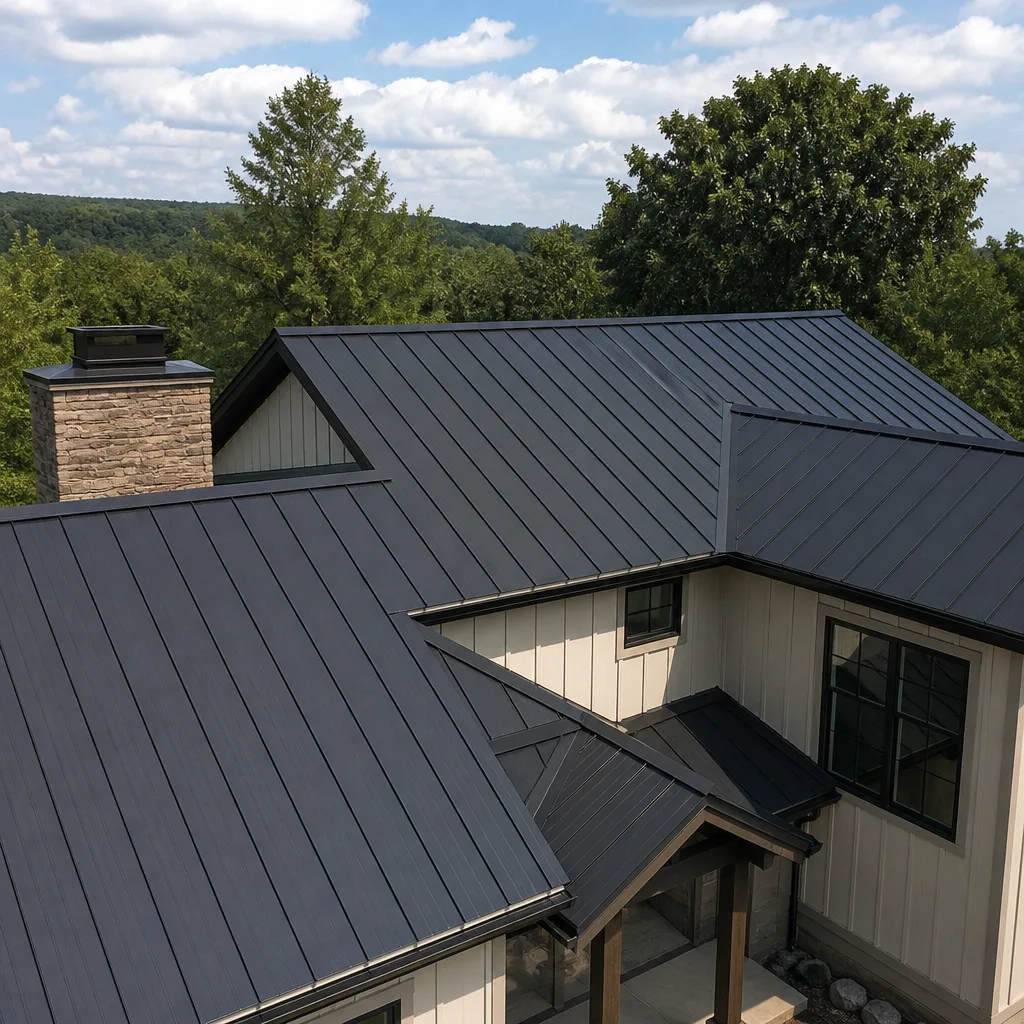
 Metal roofing
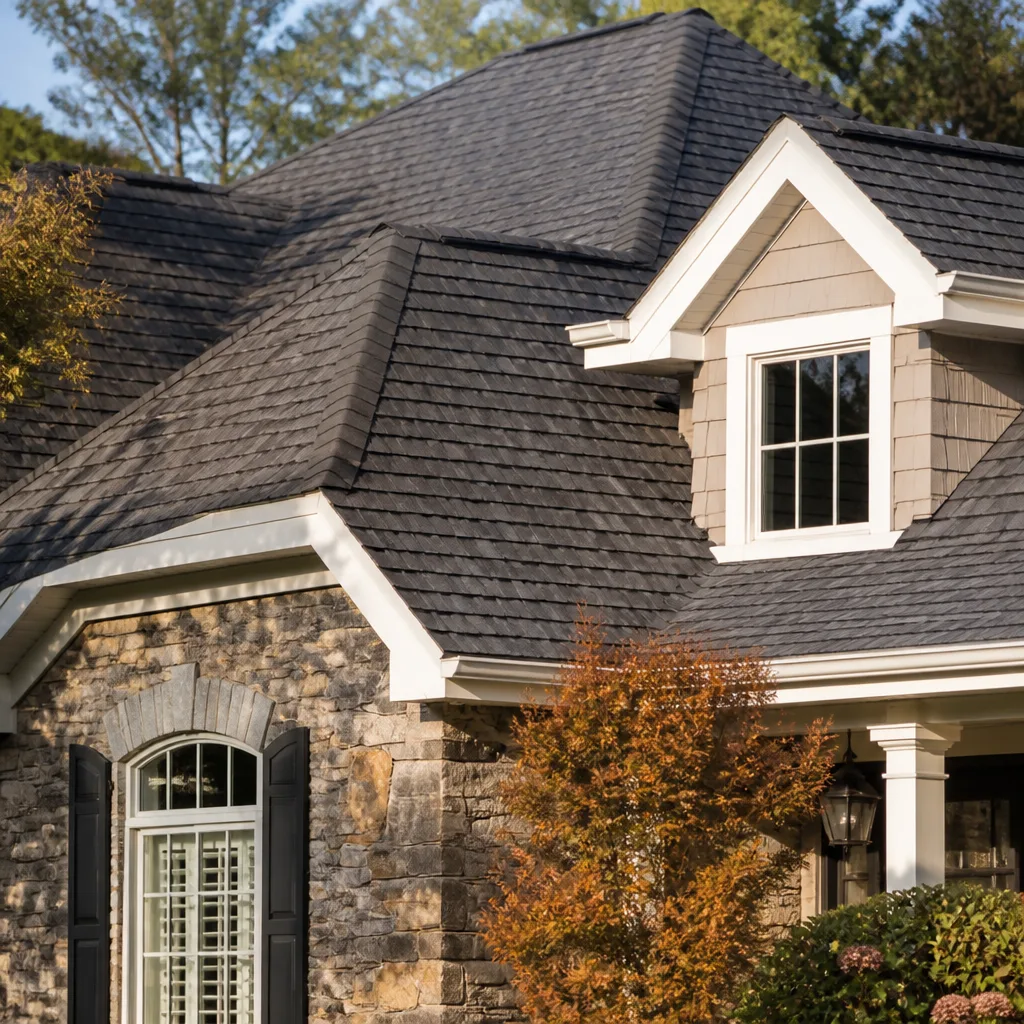 Architectural shingles
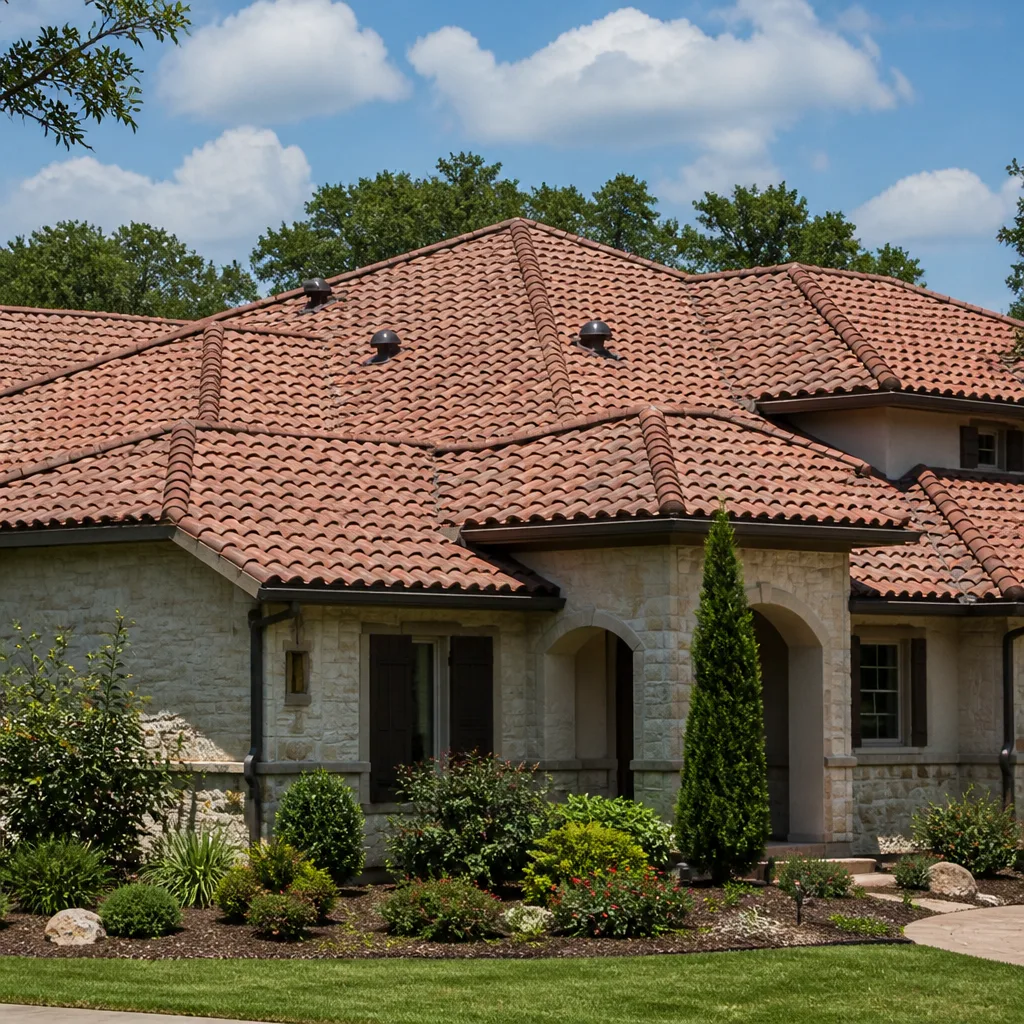 Tile roofing
 GAF
GAF Owens Corning
 Flat & low-slope
Free roof inspection with deck photos before we talk money - GAF and Owens Corning certified installation
Tamko Ridge Vent Installation: The Miami Owner’s Guide
We stock and install Tamko-compatible ridge vent systems throughout Miami, with most replacement jobs running between $425 and $780 installed depending on your roof’s linear footage and access. We carry the Tamko molded ridge vent profile and matching end caps on our trucks, so most homes in neighborhoods like Shenandoah, Coral Gate, and West Flagler can be done same-week, not same-month. Most Miami homeowners discover theirs has failed the same way: a ridge vent that’s cracked and brittle from UV exposure, or one that pulled loose during a storm and left the attic breathing unfiltered rain.
What you’re looking at isn’t just a cosmetic strip along your roof’s peak. That vent does the real work of moving hot, humid attic air out before it cooks your shingles from below and pushes your AC bill through July and August. When it fails, Miami’s humidity moves in. And humidity in an attic is never a small problem.
Which Tamko Models This Applies To
Tamko’s ridge vent line pairs with their Heritage and Elite architectural shingle series, but the vent itself is a standalone product line that works with any properly installed asphalt shingle roof. The two profiles you’ll most often find on Miami homes are the Tamko 12-inch rollable ridge vent and the 4-foot molded ridge vent sections. They’re different products and they don’t interchange without modifying the ridge opening.
The compatibility gotcha most homeowners miss: the ridge opening width on your roof deck was cut when the roof was originally installed, and it was cut to match the original vent width. If a previous contractor installed a narrower vent and someone later wants to swap in a wider Tamko profile, the decking underneath may need to be re-cut. That’s labor and plywood, not just popping off the old cap and nailing down a new one. We measure the actual slot before quoting, which means our written price reflects what’s above your ceiling, not a guess.
On the OEM versus aftermarket question for Tamko specifically: we install genuine Tamko components by default because the matching end caps and profile seals are engineered together. Quality aftermarket equivalents exist and can save roughly $80 to $140 on an average Miami ridge line, but the color match on the shingle-over profile and the fit at the ends is never quite as clean. We’ll quote both and you decide. We’re an independent service provider and not affiliated with Tamko, which means our recommendation is based on what performs on Miami roofs, not what a single manufacturer has to sell.
Styles & brands we work with
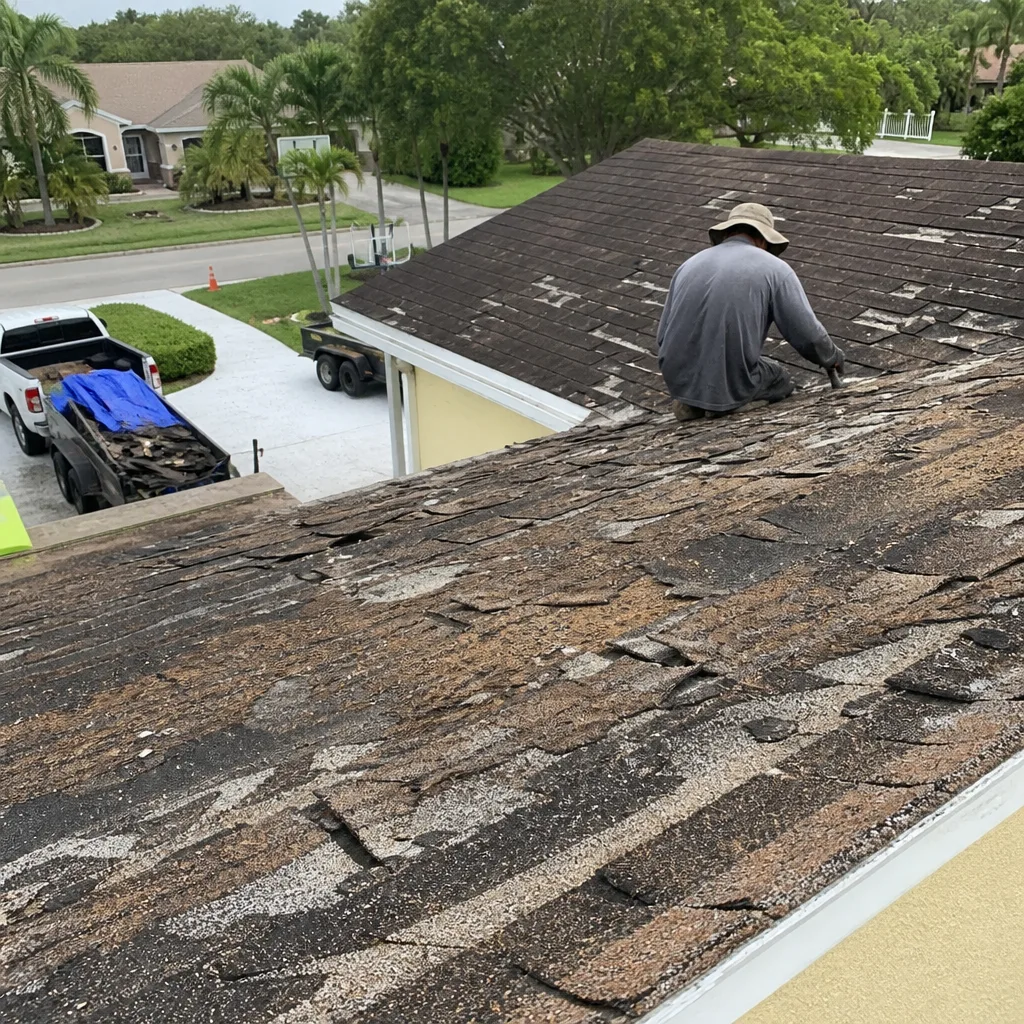
Signs Your Tamko Ridge Vent Installation Is Failing
- Water staining on your ceiling near the ridge line. This usually means the vent’s weather filter or the cap shingles above it have shifted, letting wind-driven rain through the slot. Miami’s afternoon thunderstorms hit hard and sideways, and a three-inch gap at the ridge is all the entry water needs.
- Brittle, cracked, or curled vent edges visible from the ground or a ladder. UV does this to plastic components in South Florida faster than any climate in the continental U.S. A ridge vent that’s grayish, chalky, or showing hairline cracks has lost its flex and is holding on by the nails only.
- You find shingle granules and small plastic fragments in your gutters. When the cap shingles over a Tamko ridge vent start shedding granules prematurely, the plastic vent profile underneath is usually flexing or degrading. The two fail together more often than people realize.
- The attic is noticeably hotter or dries slower after rain. Ridge vent failure reduces airflow, and in a Miami attic that means trapped heat reaching 140°F in August. Your ceiling feels warm hours after sundown, and your AC runs longer for the same thermostat setting.
- Pests in the attic. When the ridge vent’s internal weather filter degrades, the gap becomes an open door. Tree rats and squirrels in Miami are persistent, and a dry ridge slot is easier entry than any soffit vent.
See the difference
 Before
 After
After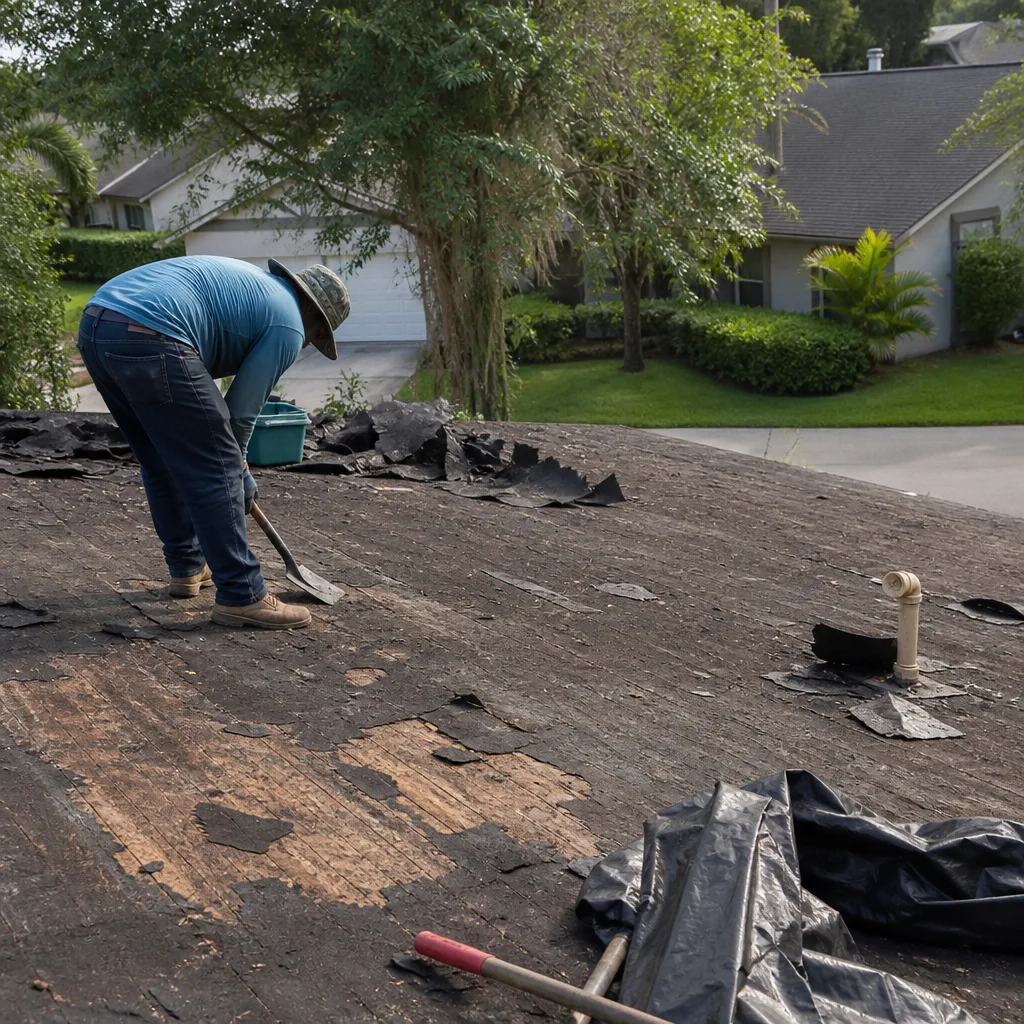 Before
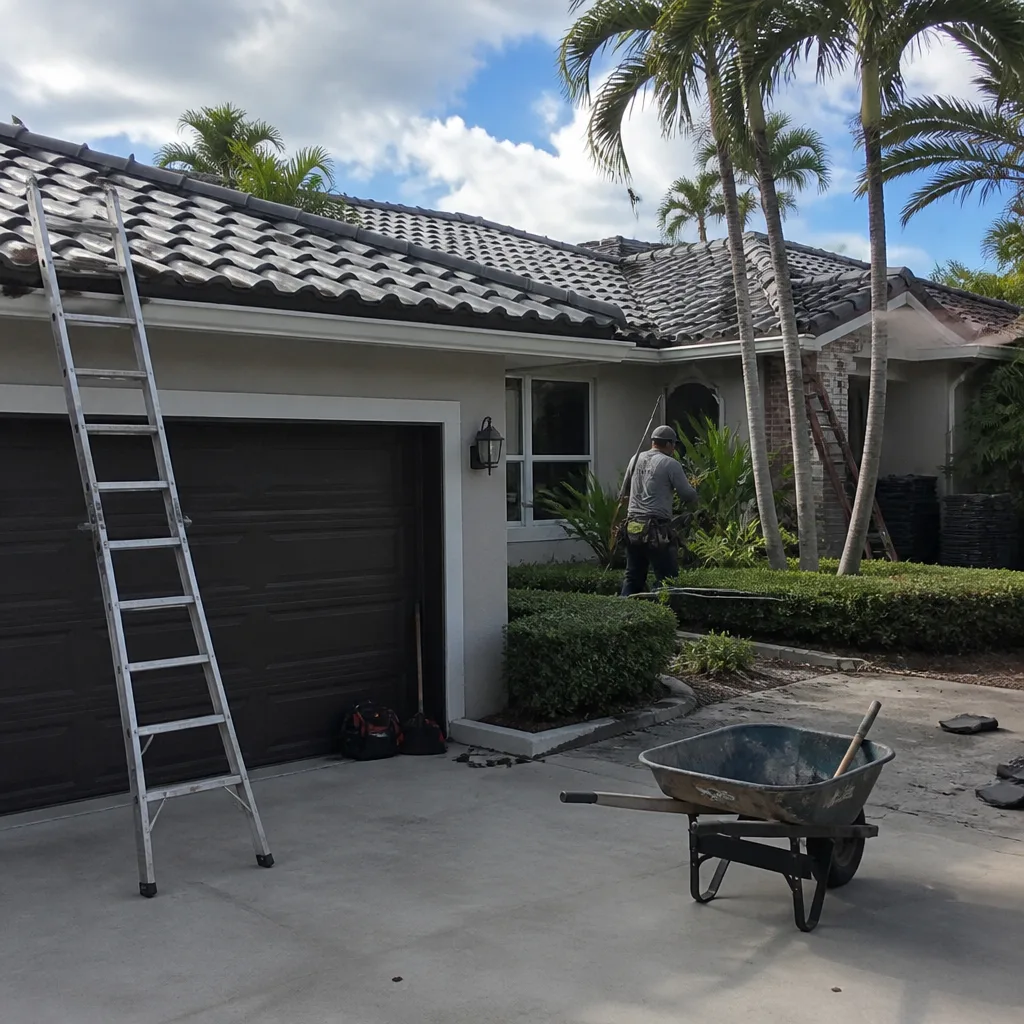 After
After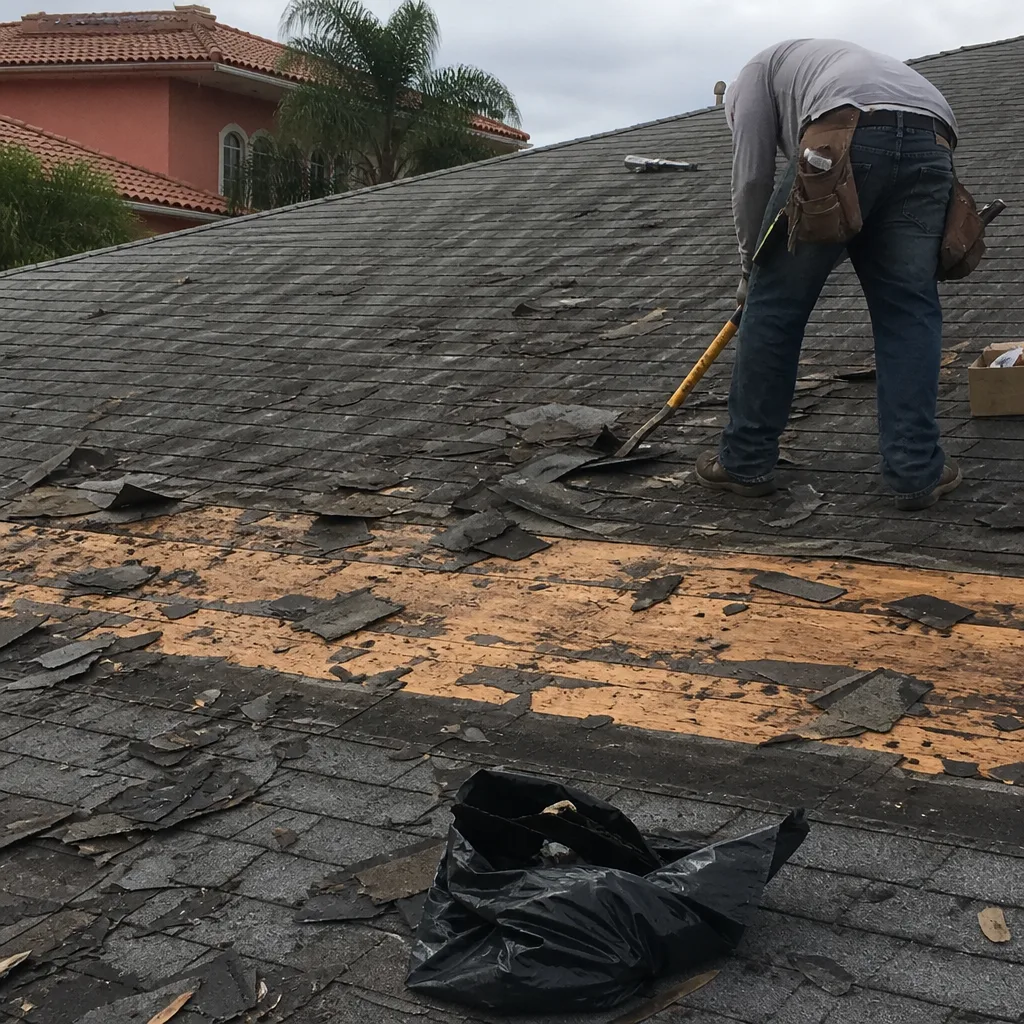 Before
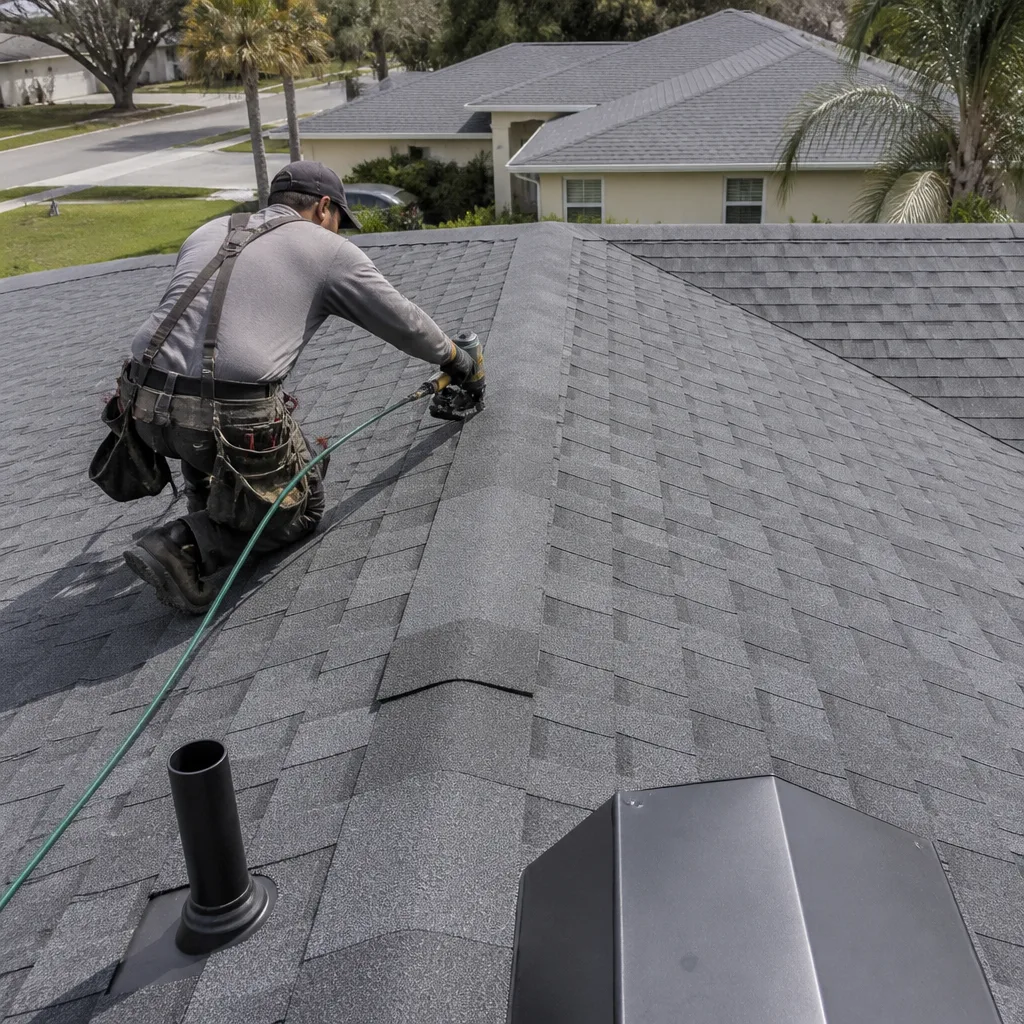 After
AfterReplacement Cost & What’s Included
For a typical Miami single-family home with 40 to 60 linear feet of ridge line, Tamko-compatible ridge vent installation runs:
| Scope | Typical Price Range |
|---|---|
| Remove and replace existing ridge vent (up to 40 linear ft) | $425 – $560 |
| Remove and replace existing ridge vent (40 – 80 linear ft) | $560 – $780 |
| Ridge decking re-cut or repairs to sheathing | $8 – $12 per linear ft additional |
| Full ridge cap shingle replacement over vent | $180 – $300 based on ridge length |
Every Mercer Roofing Co Miami price includes the same things, in writing, before the first nail is driven: parts, labor, disposal of the old vent material, and the written guarantee. If the vent fails or the repair doesn’t hold within 365 days, we make it right with a free second visit. You’ll see a line-item quote, not a number scribbled on a business card. Grant Whitlock has walked enough Miami roofs to know that the ridge vent is the last place you want to discover a surprise.
DIY or Call Us?
What you can safely do yourself: walk your property line with binoculars and inspect the ridge for visible cracks, lifting, or missing cap shingles. Look in the attic on a dry day for daylight at the ridge slot, water staining on rafters, or pest evidence near the peak. Those observations are genuinely useful and help you describe the problem when you call.
What we’d caution against: working on your ridge line if it involves anything past standing on a ladder set safely against the fascia. Ridge work means working at the highest point of your roof, on a slope, with heat coming off the shingles. Miami’s heat and sun make a roof surface punishing even in the morning. And once you pull up ridge cap shingles, you’re creating an open seam that will leak before you can replace the vent if weather moves in, which it will. The repair itself is not as simple as laying a new strip: the vent has to be centered on the slot, the filter needs to sit correctly, and the cap shingles must overlap for the full ridge length or wind gets under them. That’s why we send a background-checked technician with a photo ID, not to make a simple job look complicated, but because the difference between done and done-for-five-years comes down to the details up there. If you’d rather have us handle it, we’re the ones answering the phone at (850) 753-2996.
FAQs
Expect roughly 12 to 18 years from an installed Tamko ridge vent in Miami’s climate, with UV exposure and storm cycles being the primary breakers of that range. Coastal-adjacent homes in Coconut Grove and the Roads tend toward the shorter end because the sun is unrelenting and the salt air accelerates plastic degradation. A properly installed vent with intact cap shingles can make it to 18 or 20 years, but by that point the shingle-over profile is typically ready for replacement alongside the roof itself. Call (850) 753-2996 if you want us to assess what shape yours is in.
Small problems can sometimes be fixed, but a truly failed Tamko ridge vent usually warrants replacement because the degradation is continuous along the vent line. We can replace a damaged section, replace broken end caps, or re-secure lifted portions when the rest of the vent is sound. The practical reality on Miami roofs is that by the time one section fails visibly, the rest of the profile is usually not far behind. A written inspection with photos is freely offered, so you’re not making that call blind.
Most single-family Miami homes are done in one working day, with larger or more complex ridge lines occasionally requiring a second morning. We schedule around Miami’s afternoon thunderstorm pattern and work the roof in the early part of the day. You’ll know our technician by name and photo before they arrive, which makes the day feel a lot less open-ended than an eight-hour window.
Yes, our service vehicles carry Tamko ridge vent profiles, matching end caps, cap shingle material, and the fasteners we use in Miami’s high-wind conditions. We also stock compatible aftermarket profiles for homeowners who prefer that route, as well as components for GAF, Owens Corning, and CertainTeed systems. Most jobs are completed without a second trip.
Written by Grant Whitlock, Owner, Mercer Roofing Co Miami at Mercer Roofing Co Miami, serving Miami and nearby areas.