
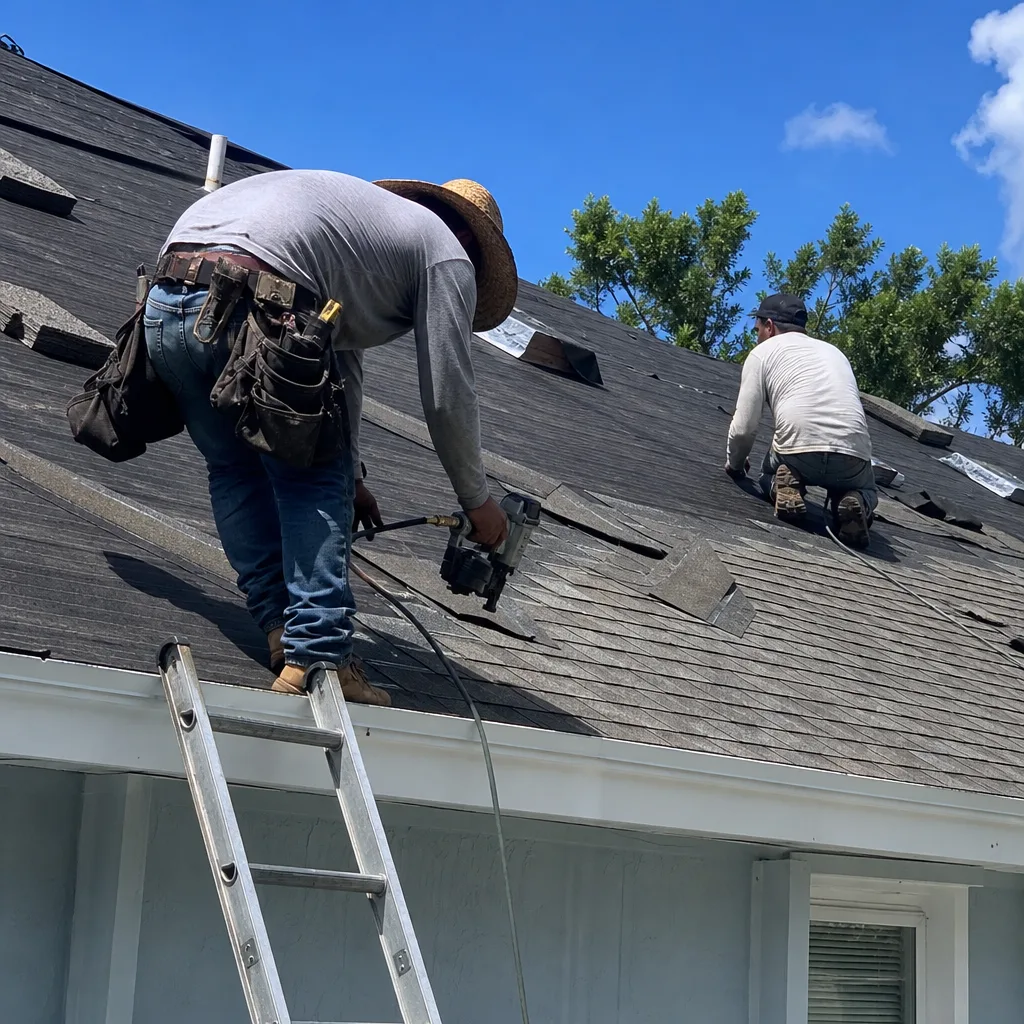
Last updated October 17, 2026
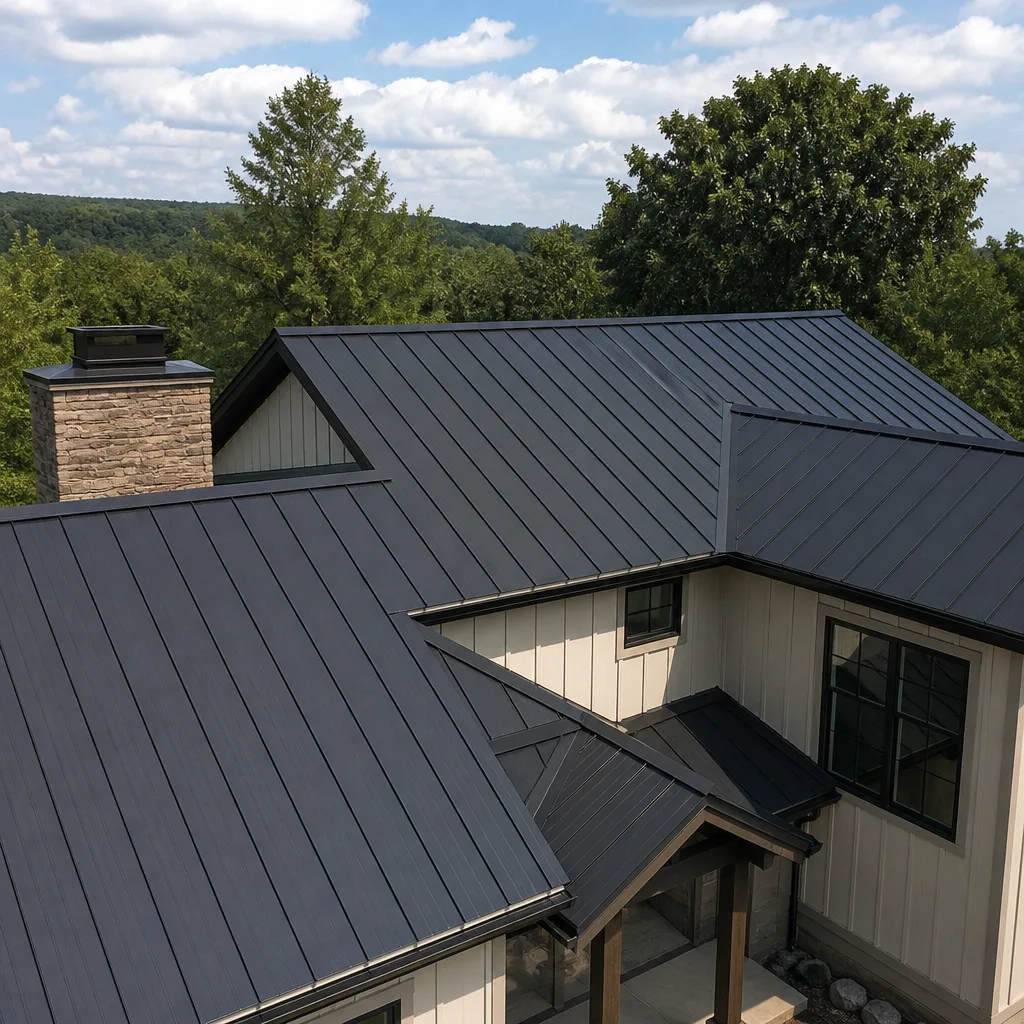 Metal roofing
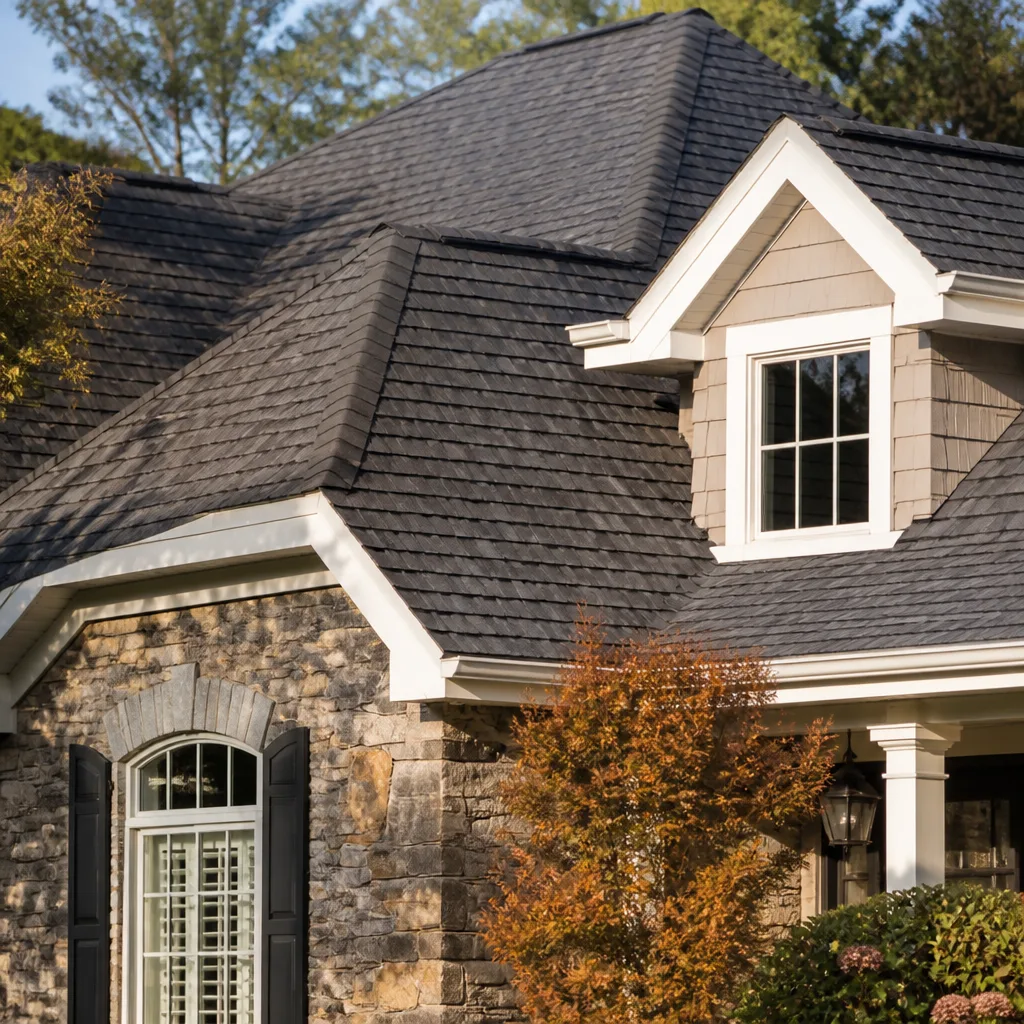 Architectural shingles
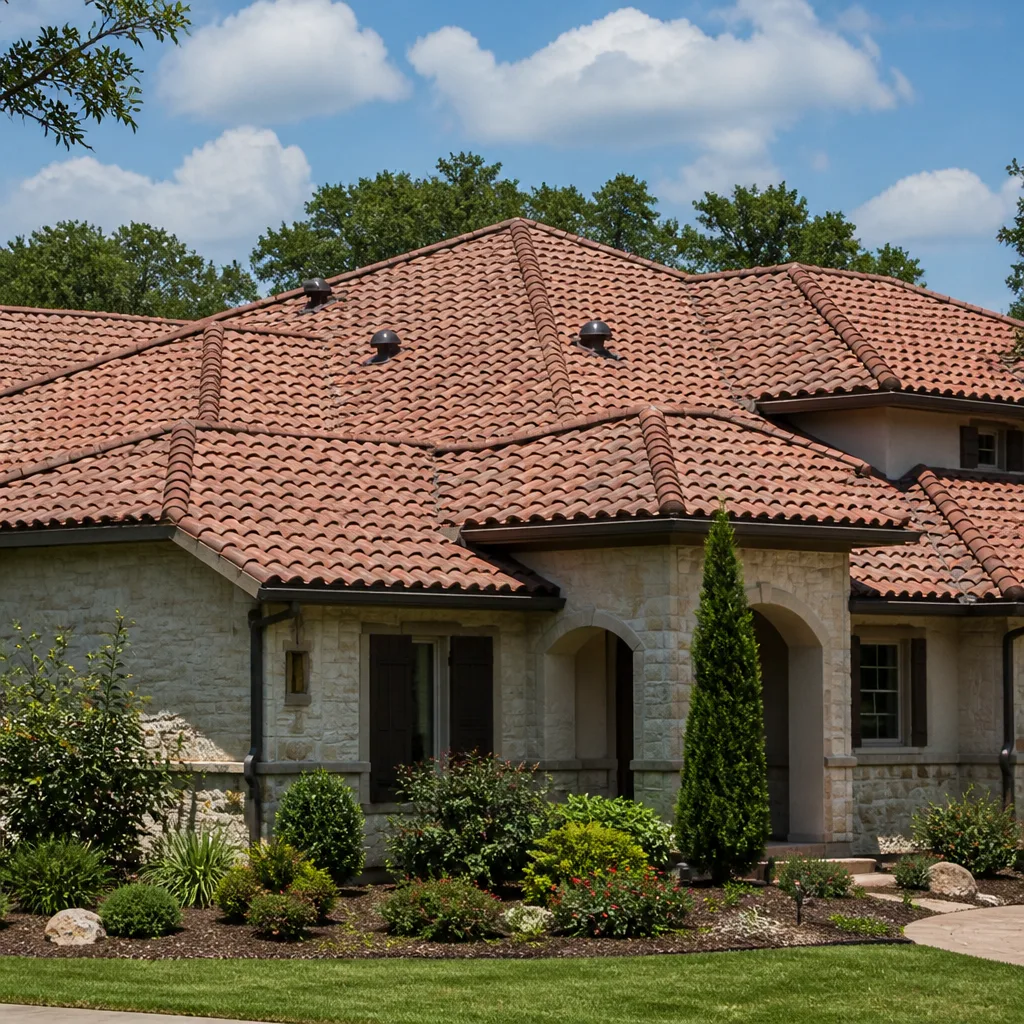 Tile roofing
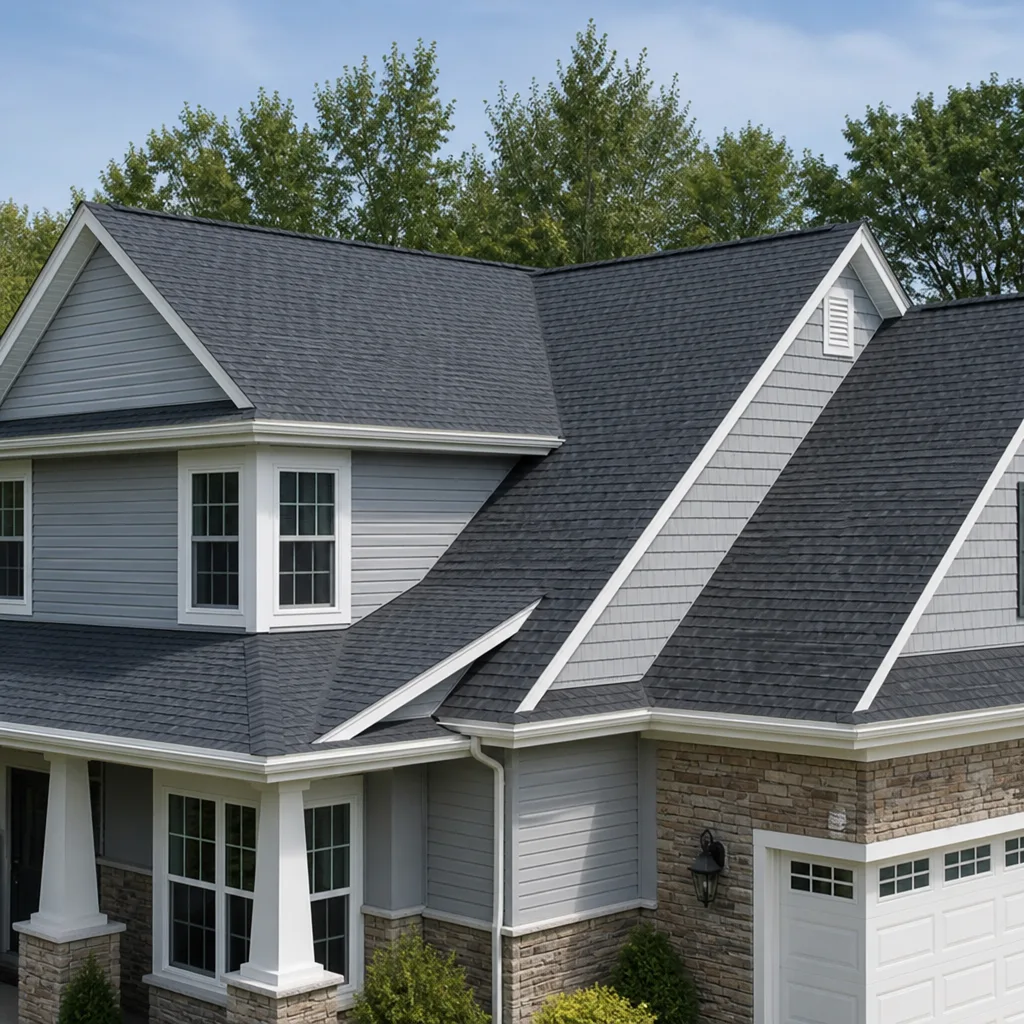 GAF
GAF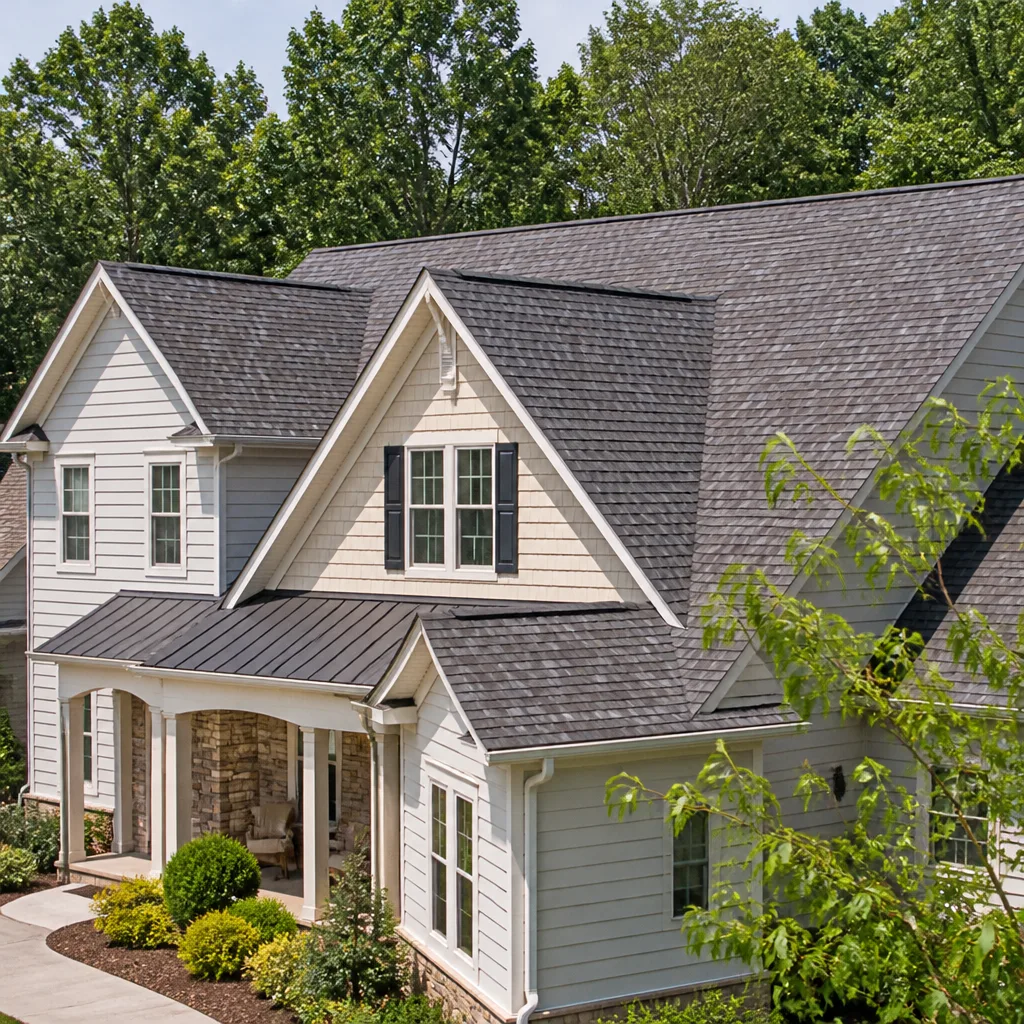 Owens Corning
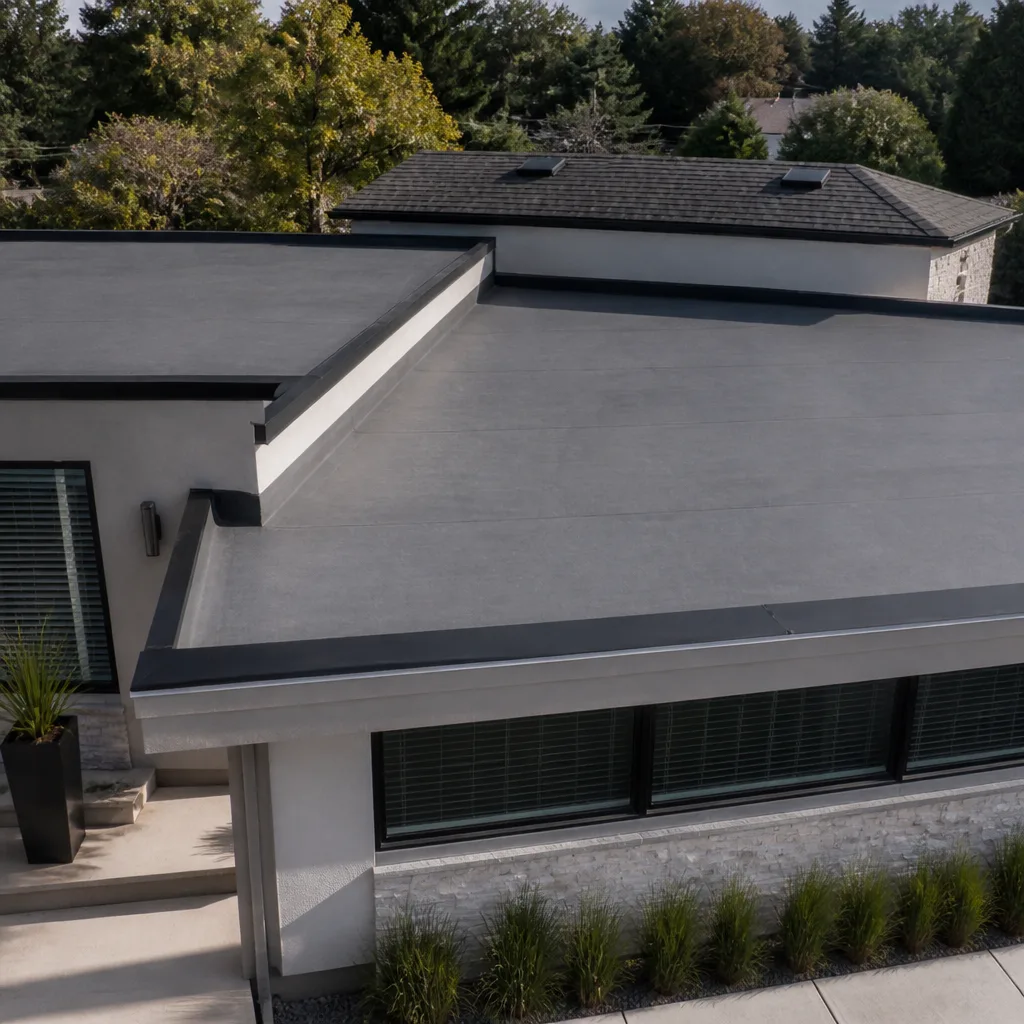 Flat & low-slope
Free roof inspection with deck photos before we talk money - GAF and Owens Corning certified installation
The Complete Guide to Roofing in Miami
In 2023, Citizens Property Insurance dropped over 50,000 Florida policies after aerial inspections flagged roof conditions that homeowners didn’t even know existed. Most of those roofs weren’t leaking. That single fact tells you everything about roofing in Miami today: your roof is no longer just the thing keeping rain out. It is a legal document, an insurance trigger, and a financial asset that gets inspected by drones whether you invite them or not. This guide explains how Miami’s roofing market actually works, what it costs, what the codes demand, and how to make decisions that protect both your home and your insurance policy.
Quick Answer
Roofing in Miami is governed by the High-Velocity Hurricane Zone (HVHZ) building code, which sets stricter material, fastening, and inspection standards than anywhere else in Florida. Expect to pay $14,000 to $45,000 for a full roof replacement depending on material and size, with concrete tile, metal, and modified bitumen as the three dominant choices. The most urgent issue for most Miami homeowners isn’t leaks; it’s roof age and condition triggering insurance non-renewal, which is why documentation, permits, and a verifiable installation record matter as much as the shingles themselves. See our Roof Repair Maintenance Checklist for Miami Homeowners for what to track.
Styles & brands we work with
Table of Contents
- Why Miami Roofing Is Different From Everywhere Else
- Insurance and Roof Age: The Real Reason Miami Roofs Get Replaced
- The Three Roofing Materials That Actually Work in Miami (and When Each Fails)
- Salt Air Corrosion: The Coastal Miami Problem Nobody Talks About
- What a Legitimate Miami Roofing Job Looks Like, Step by Step
- What Roofing in Miami Costs in 2025
- How to Choose a Miami Roofing Contractor Without Getting Burned
- Miami Roof Maintenance: A Practical Calendar
Why Miami Roofing Is Different From Everywhere Else
If you’ve owned a home in another state, forget what you learned. Miami-Dade County operates under the High-Velocity Hurricane Zone code, a designation shared only with Broward County. This is not a minor paperwork difference. The HVHZ code dictates how every nail is driven, how many fasteners each tile gets, what underlayment is required, and how the entire assembly is tested against uplift pressures that most of the country never experiences.
The practical result: a roof that would be perfectly legal in Orlando or Tampa is often illegal in Miami. The HVHZ code requires Miami-Dade product approval for roofing materials. That approval number gets printed on the permit application and verified during inspection. If a contractor installs a non-HVHZ-approved product, the roof fails inspection, the permit doesn’t close, and your insurance company can use that open or failed permit to deny a future claim.
We’ve walked onto Miami roofs with perfectly good shingles that failed inspection because the wrong fasteners were used three roofs ago. The homeowner had no idea. The shingles looked fine. The permit history told a different story. This is why the paper trail matters as much as the physical roof. When you’re comparing quotes in Miami, ask specifically whether the material carries a Miami-Dade Product Approval and have them show you the approval number. Any legitimate roofing company in Miami will have that information ready without hesitation.
What HVHZ Means for Fasteners, Nails, and Underlayment
- Concrete and clay tile roofs require specific fastening patterns per tile depending on the roof zone. The number of screws or nails per tile is not optional; it’s prescribed.
- Underlayment in Miami must meet specific tear-resistance and water-resistance standards. The most common approved choices include self-adhered modified bitumen underlayments rated for high wind areas.
- Roof decking attachment gets checked. In older Miami homes, the decking may be nailed, not screwed, which reduces uplift resistance and can force a decking retrofit during reroofing.
- The code also requires specific drip edge profiles, flashing details at walls and penetrations, and secondary water barriers in certain conditions.
Insurance and Roof Age: The Real Reason Miami Roofs Get Replaced
Here is the uncomfortable reality in Miami: your roof can be in perfectly good condition and still get flagged for non-renewal because of its age. Insurance carriers operating in Florida are required to follow specific guidelines about roof age. A roof that’s 15 years old with asphalt shingles is legally insurable only if a licensed inspector certifies it has at least five years of useful life remaining. Once a roof passes a certain age without that certification, carriers can and do refuse renewal.
Concrete tile and metal roofs get more leeway, typically up to 25 or even 50 years depending on the policy and the carrier. But the aerial inspection programs used by Citizens and private carriers don’t always distinguish carefully. A drone photo of a tile roof with staining can trigger the same non-renewal letter as a shingle roof with granule loss. The homeowner gets a letter saying the roof “appears to be at the end of its service life” and has 30 to 60 days to respond.
What can you do about it? The single most important action is to have a documented inspection from a licensed Miami roofing contractor or certified inspector before the carrier’s drone sees your roof. That inspection should include dated photos, a written condition assessment, and if appropriate, a letter stating the remaining useful life. Mercer Roofing performs these documentation inspections regularly for Miami homeowners facing renewal. The cost is minor compared to the alternative, which is a forced replacement on the carrier’s timeline rather than your own.
The Three Roofing Materials That Actually Work in Miami (and When Each Fails)
Three systems dominate Miami residential roofing, and each has a distinct failure profile. Choosing between them is not about preference; it’s about your home’s structure, your insurance situation, and where in Miami-Dade you live.
1. Concrete Tile
Concrete tile covers a large percentage of Miami homes, especially in neighborhoods like Kendall, Westchester, and Coral Gables where the look is expected. When installed correctly, tile handles Miami’s UV exposure and hurricane winds better than almost anything. A properly fastened tile roof in good condition can satisfy insurance requirements for 25 years or more. The failure points are not the tiles themselves. They are the underlayment beneath them, which degrades over 15 to 20 years, and the fasteners, which corrode in salt air. We also see issues when homeowners or handymen walk on tile roofs without proper technique, cracking tiles that then allow water to the underlayment. A cracked tile is an easy repair. A rotted underlayment means taking the whole field down and starting over.
2. Metal Roofing
Metal is growing in Miami because it handles the wind loads beautifully and carries a long insurance-friendly service life. Standing seam metal roofing, in particular, eliminates the fastener-through-the-panel problem that older metal roofs had. The panels lock together without exposed fasteners in the field, which removes the primary leak point. The downsides: metal is expensive, and salt air demands specific coating choices. Galvalume or aluminum finishes hold up far better in coastal Miami ZIP codes than bare galvanized steel. If you’re within a mile of Biscayne Bay or the ocean, you need to specify a coastal-grade finish, not a standard one.
3. Modified Bitumen
For flat and low-slope roofs, which are common on Miami’s mid-century homes and many commercial buildings, modified bitumen is the workhorse. It’s a multi-layer asphalt-based system with a rubber or plastic polymer modifier that gives it flexibility in heat and resistance to standing water. The Miami heat shortens the life of cheaper single-ply membranes like TPO, making modified bitumen a better long-term choice for many flat roofs in the city. It requires professional installation; the torch-down or cold-applied processes are not for a weekend project. Read our DIY vs Professional Roofing: The Miami Homeowner’s Decision Guide to understand why.
When we do roof installation in Miami, the material conversation starts with the home’s roof pitch, the existing decking condition, and the distance from salt water. Those three factors eliminate more options than any aesthetic preference ever will.
Salt Air Corrosion: The Coastal Miami Problem Nobody Talks About
Salt air is the silent budget killer for Miami roofing. It’s not dramatic like a hurricane. It doesn’t make noise. It just shortens the life of everything metal, and a roof is held together by metal.
Here are the specific numbers: in coastal Miami ZIP codes within about two miles of open water, we see galvanized steel fasteners and flashing fail 20 to 40 percent faster than identical components on inland homes. The chloride in the air attacks the zinc coating on galvanized steel. Once the zinc goes, the steel underneath rusts through in a matter of years. That rusted flashing around a chimney or skylight becomes a leak that rots decking and invites mold, and the homeowner never sees it coming because the visible part of the roof looks fine.
The fix is material selection, not luck. In coastal Miami, we specify stainless steel fasteners for tile roofs, not the standard electro-galvanized ones. Flashing should be stainless or copper, with specific attention to the counter-flashing details at walls and curb penetrations. These upgrades add a small percentage to the overall roof cost and routinely add years to the useful life.
What this means for inspection intervals: if you live in eastern Miami, Coconut Grove, Key Biscayne, or anything along the bay, schedule a fastener and flashing inspection every two to three years, not every five. A roof that’s five years old in a coastal location can have fastener corrosion that a 10-year-old inland roof doesn’t show. For roof repair in Miami, catching this early means replacing flashing before it becomes decking replacement.
What a Legitimate Miami Roofing Job Looks Like, Step by Step
A legitimate Miami reroof is a paper-intensive process. If a contractor tells you they can skip the permit or that it’s “just a lightweight reroof, no permit needed,” walk away. Here is what the process should look like:
- Permit application – The contractor submits plans, product approvals, and wind load calculations to the Miami-Dade building department. The permit is issued before any material gets loaded on the roof.
- Existing roof tear-off – In most Miami reroofs, the old roof comes off completely. This exposes the decking for inspection, which is mandatory under HVHZ rules.
- Decking inspection – The building inspector examines the decking for rot, damage, and proper re-nailing or re-screwing. The inspector may require upgrades to meet current uplift requirements.
- Underlayment installation – The approved underlayment goes down and is inspected as a standalone layer in many Miami jurisdictions. The inspector wants to see it before the tile or shingle covers it.
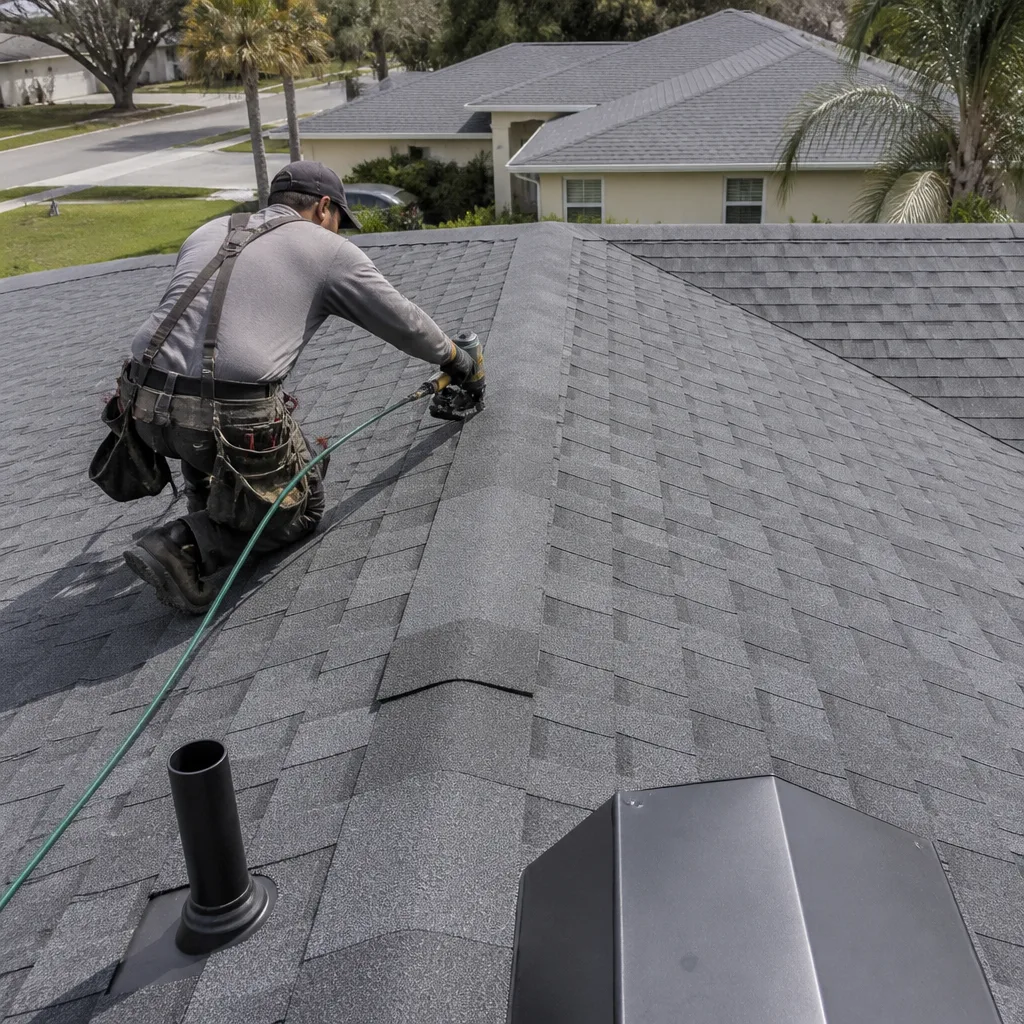
- Roof covering installation – The tile, metal, or shingle system is installed per the product approval and the prescriptive fastening schedules in the code.
- Final inspection – The inspector verifies the completed assembly, fastening counts, flashing details, and edge details. Only after the final passes does the permit close.
Skipping any of these steps voids manufacturer warranties and gives insurance carriers a reason to deny claims. If a permit is open or never pulled, and then a storm damages the roof, the carrier’s adjuster will find it. The claim dies. Every Mercer Roofing job in Miami includes full permitting, written documentation of every step, and a closed permit before we consider the job done.
What Roofing in Miami Costs in 2025
Roofing prices in Miami run higher than Florida averages because of the code requirements, the material specifications, and the labor market. Here are the realistic ranges for a typical 2,000-square-foot home in Miami-Dade County:
- Asphalt shingle reroof (HVHZ-approved): $14,000 to $22,000, including tear-off, underlayment, and new flashing
- Concrete tile reroof: $28,000 to $45,000 depending on tile profile, underlayment system, and decking condition
- Standing seam metal roof: $32,000 to $55,000 depending on panel gauge, finish, and roof complexity
- Modified bitumen flat roof: $12,000 to $24,000 depending on insulation and number of layers
- Decking replacement (if needed): $2 to $4 per square foot on top of the system cost
These are installed prices with permits and inspections included. If a quote comes in dramatically below these ranges, it usually means one of three things: non-approved materials, skipped permits, or a crew that won’t be around when something goes wrong. The manufacturer-recognized brands we work with, including GAF and CertainTeed, have specific installation requirements that affect labor cost. A roof installed outside those specifications has no manufacturer warranty, even if the shingles carry the brand name.
We give every Miami homeowner a written price before any work starts. Not a verbal range, not a “we’ll see what we find” handshake. A written number. If the decking turns out to be rotted once we open the roof, that becomes a written change order with the same pricing transparency before we proceed. That’s how a legitimate Mercer Roofing Co Miami home project works, and it’s how you avoid the change-order horror stories that plague this industry.
How to Choose a Miami Roofing Contractor Without Getting Burned
Miami has hundreds of roofing contractors. Many are legitimate. Some are storm chasers who appear after a hurricane, collect deposits, and vanish. The difference is knowable before you sign anything. Our How to Hire a Roofing Contractor in Miami: A Step-by-Step Guide walks you through the vetting process.
First, verify the contractor’s Florida licensing. In Florida, roofing contractors must hold a state license. Ask for the license number and check it against the Department of Business and Professional Regulation database. It takes two minutes online.
Second, verify insurance. The contractor should carry both general liability and workers’ compensation insurance. Ask for a certificate of insurance, not a verbal confirmation. Call the carrier to verify the policy is active. In Miami, where uninsured crews are common, this single check eliminates a huge percentage of risk.
Third, look at the actual people who will show up at your door. This is where most roofers fail and where we chose to be different. Every Mercer technician is background-checked and identity-verified under the Threshold Verified standard. Before any visit, you receive the technician’s name and photo. When they arrive, they wear a clean uniform and present a photo ID badge at your door. You never open your door to a stranger you weren’t expecting. For a parent home alone with kids, or an older homeowner who has heard too many stories, that badge at the door is the most concrete thing a roofing company can offer.
Fourth, ask about the guarantee in writing. Not “we stand behind our work” but specifically: what is covered, for how long, and what happens if it fails. Our answer: every repair includes a written guarantee good for 365 days. If the repair fails within that year, the second visit is free. That’s the 365-Day Done Right Promise, and it’s in writing before a single nail is driven.
Miami Roof Maintenance: A Practical Calendar
Miami roofs don’t need a lot of intervention, but they need the right intervention at the right time. Here is a maintenance rhythm that matches Miami’s climate and insurance reality:
- Every 6 months (March and September): Walk the perimeter of your home and look for visible issues: cracked tiles, lifted shingles, rust streaks at flashing, or debris piled in valleys. If you’re not comfortable on a ladder, a ground-level visual check catches more than you’d think.
- Every year (before hurricane season): Get a professional roof inspection in May or early June. This is not when you want to discover a problem; it’s when you still have time to schedule a repair before the summer storms.
- After any named storm passes within 50 miles: Do a visual check and consider a professional inspection if anything looks off. Document everything with photos, with dates.
- At roof age 10, 15, and 20 (shingle roofs especially): Get a documented condition assessment with photos and a written remaining-life estimate. This is your insurance file, and it’s worth real money when renewal comes.
- If you have a tile roof over 15 years old: Get an underlayment moisture check. The tiles may look perfect while the waterproofing layer beneath has quietly failed.
None of this is expensive. A professional inspection in Miami runs a few hundred dollars, and most companies, including Mercer, offer free estimates for any repair that the inspection uncovers. Browse our more guides & resources for additional homeowner guidance. The expensive mistake is waiting until a leak appears or until an insurance drone flags your roof for non-renewal. By then the cost is measured in thousands, not hundreds.
Common Mistakes to Avoid
- Skipping the permit. In Miami-Dade, an unpermitted roof is a future insurance claim denial waiting to happen. Permits exist to create a record, and the record protects you, not the contractor.
- Choosing materials without checking Miami-Dade product approval. Not every shingle or tile sold in Florida is legal in Miami. If the product approval number isn’t on the permit application, the roof is illegal, period.
- Deferring maintenance until a leak shows up. In Miami, the insurance clock runs faster than the water clock. A roof that isn’t leaking can still trigger a non-renewal letter if it fails an aerial inspection.
- Reusing old flashing on a reroof. Flashing is cheap compared to a roof. In coastal Miami, reusing corroded flashing to save a few hundred dollars is a false economy that leads to leaks within a few years.
- Walking on tile roofs to “take a look.” Foot traffic cracks tiles. Cracked tiles let water through to the underlayment. If you need an inspection, call someone who knows how to walk tile.
- Accepting a verbal quote. In Miami’s market, verbal quotes are worthless when disputes arise. Get the price in writing before any work starts. If a contractor won’t put it in writing, there’s a reason.
See the difference
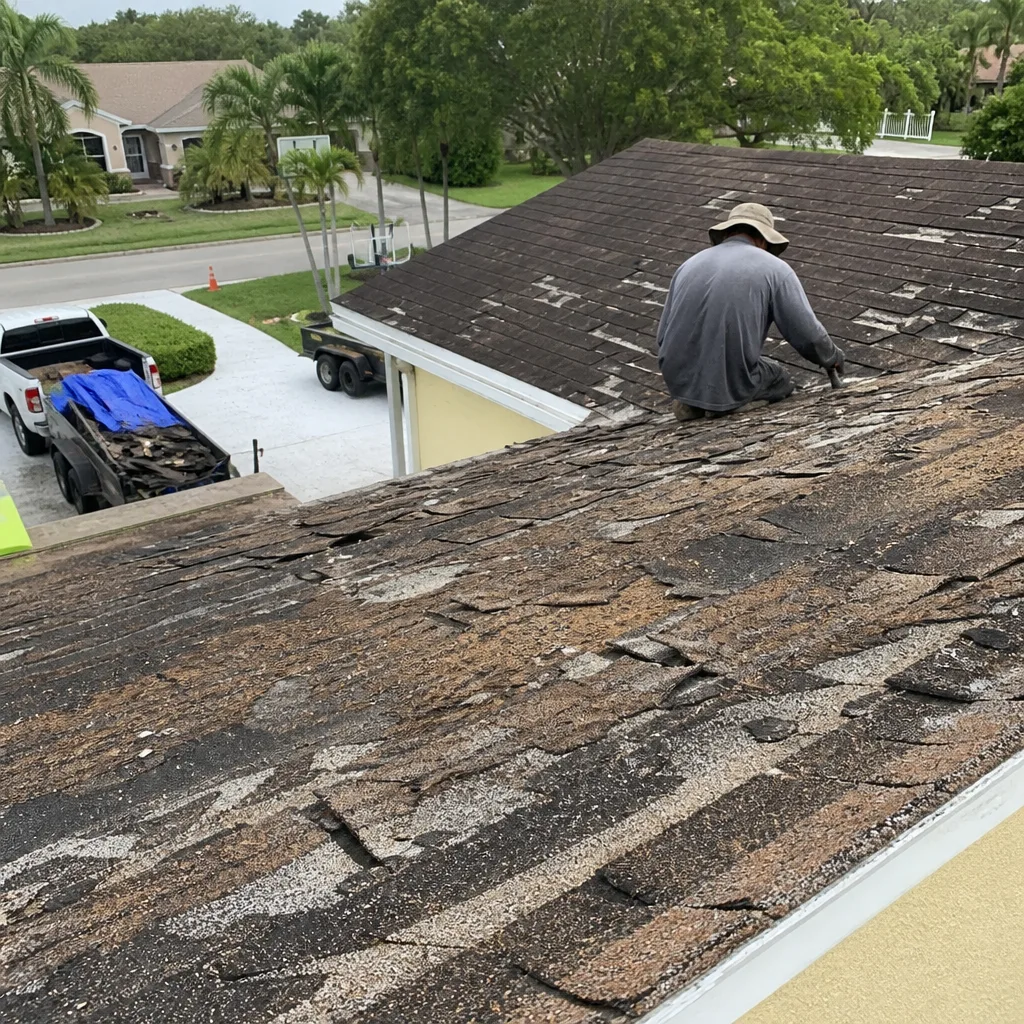 Before
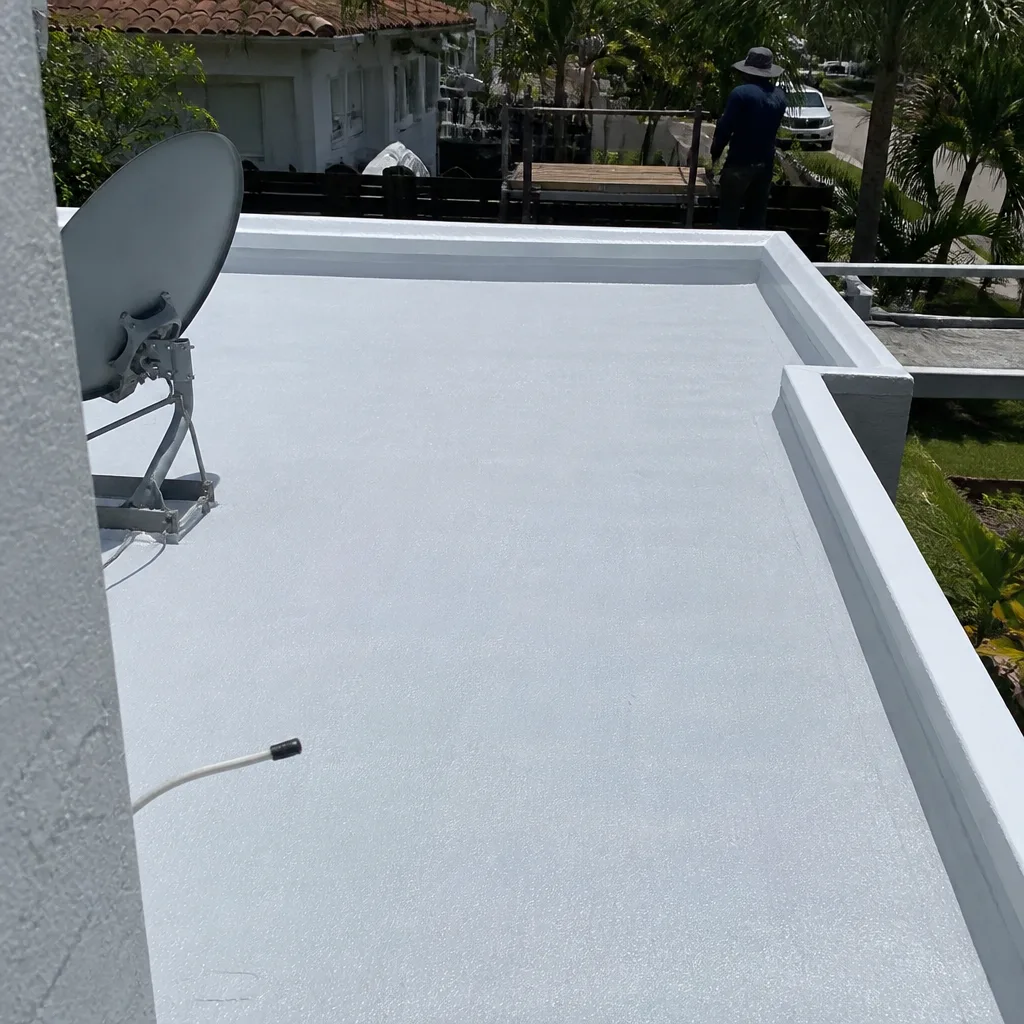 After
After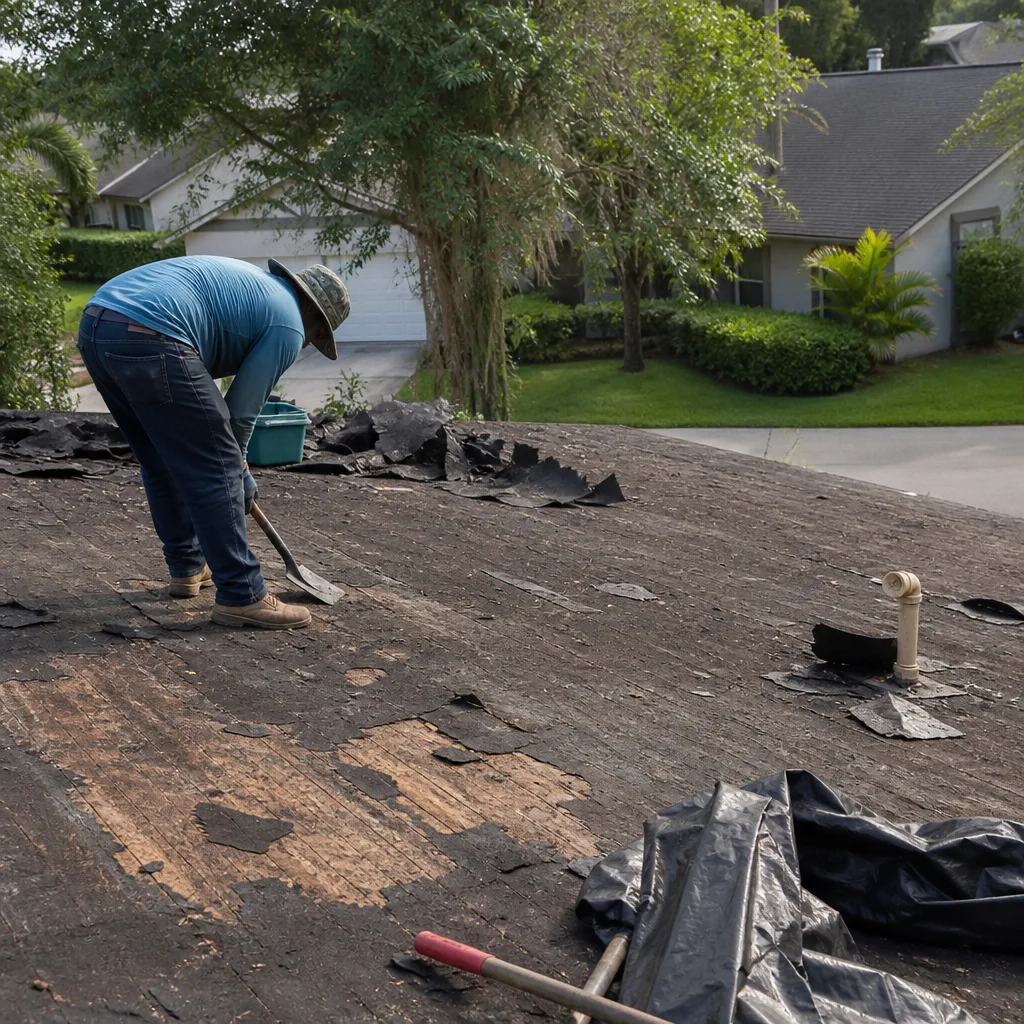 Before
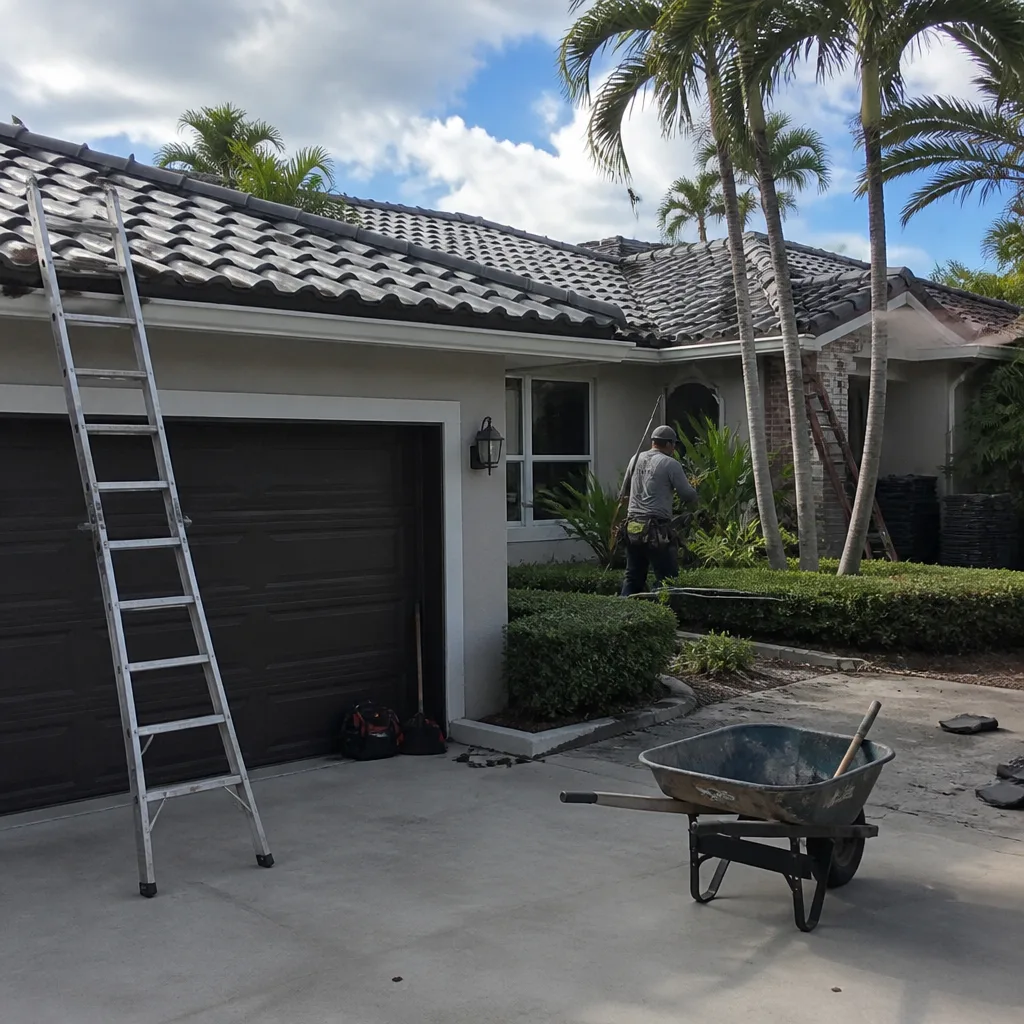 After
After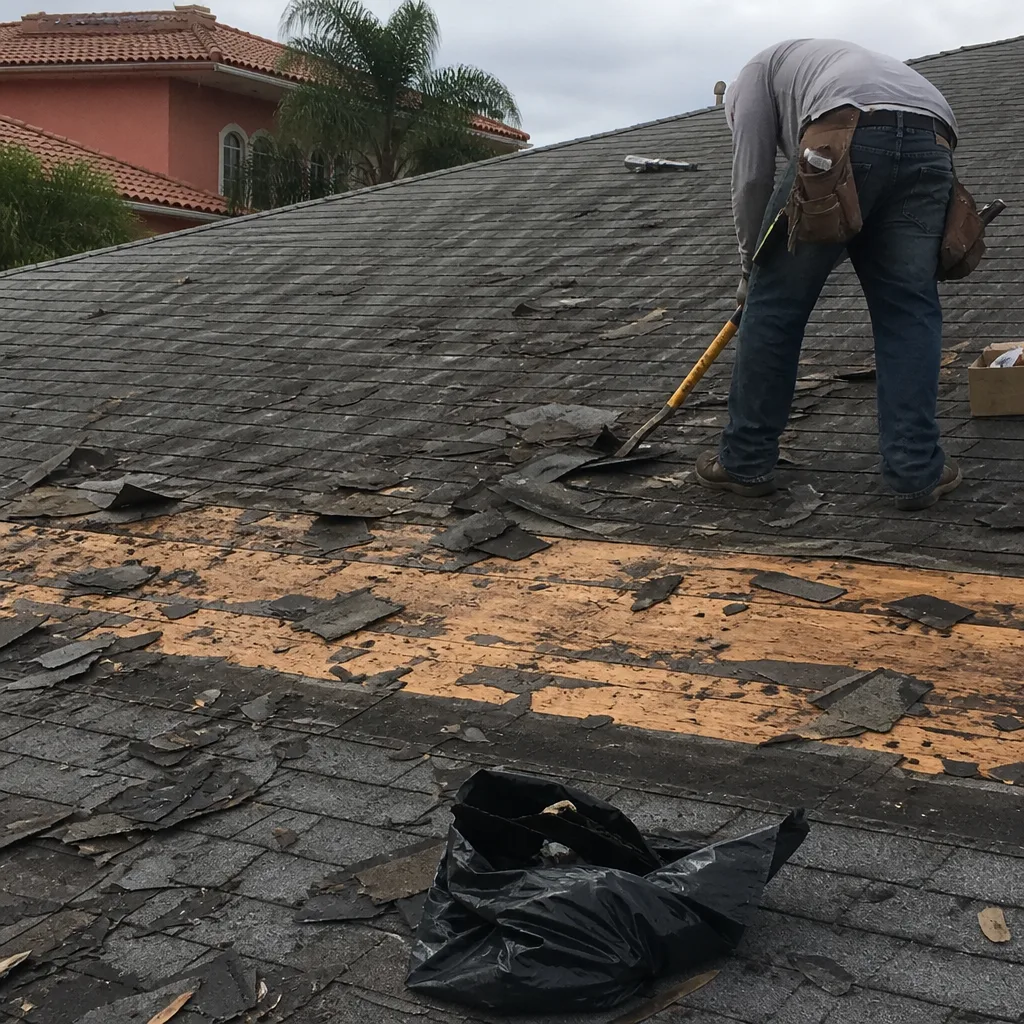 Before
 After
AfterWhen to Call a Professional
A roof leak is an emergency. A missing tile or lifted shingle is a fast, cheap fix. But there are quieter warning signs that warrant a professional eye in Miami: rust streaks at any flashing point, granules collecting in gutters, water stains on ceilings after heavy rain, or any suspicion that your roof has passed the age your insurance carrier will accept without documentation. These don’t announce themselves loudly. They show up as a letter from your insurance company, and the letter gives you 30 to 60 days to respond. If you’re anywhere near that scenario, call before the letter arrives. Mercer Roofing Co Miami offers free estimates in Miami – call (850) 753-2996 to schedule one.
Frequently Asked Questions
A full roof replacement in Miami typically costs $14,000 to $45,000 depending on the material, with asphalt shingle at the lower end, modified bitumen for flat roofs in the middle, and concrete tile or standing seam metal at the upper end. These figures include tear-off, permits, underlayment, and flashing. Call (850) 753-2996 for an exact written quote.
Florida insurance carriers now use aerial inspections and roof age as their primary risk triggers, so a roof can fail the carrier’s criteria without showing any visible leak or damage. The carrier’s concern is future wind-related claim risk, not current water intrusion. A documented professional inspection with photos and a remaining-life assessment is the standard response.
Yes, Miami-Dade requires a permit for roof replacement, and the permit process includes product approvals, decking inspection, and final inspection before the permit closes. An unpermitted roof voids manufacturer warranties and gives your insurance carrier grounds to deny future claims.
Concrete tile, standing seam metal, and modified bitumen are the three materials best suited to Miami’s heat, humidity, and hurricane wind exposure, with the right choice depending on your roof’s pitch, your home’s structure, and your distance from salt water. Asphalt shingle is also common and HVHZ-approved products are available, but it lasts fewer years in Miami’s UV exposure.
Get a professional inspection once a year before hurricane season, and add a fastener and flashing inspection every two to three years if you live within two miles of the coast where salt air accelerates corrosion. After any named storm passes within 50 miles, a quick visual check is prudent.
Yes, every Mercer Roofing job in Miami includes a written price provided before any work starts, and the 365-Day Done Right Promise backs every repair with a free second visit if the repair fails within a year. No work begins without a written number in your hand.
The Bottom Line
Roofing in Miami is a different discipline from roofing anywhere else in the country. The High-Velocity Hurricane Zone code dictates materials and fastening schedules. Salt air dictates corrosion-resistant specs. Insurance carriers dictate replacement timelines whether or not your roof leaks. And the difference between a roof that protects you for decades and one that becomes a liability is nearly always in the details you can’t see: the fasteners, the flashing, the underlayment, the permit history, and the identity of the person standing at your door. Choose a contractor who puts all of it in writing, with a photo badge and a name you know before they arrive. That’s how certainty is built, one roof at a time.
Written by Grant Whitlock, Owner at Mercer Roofing Co Miami, serving Miami since 2000.